From KTEP:
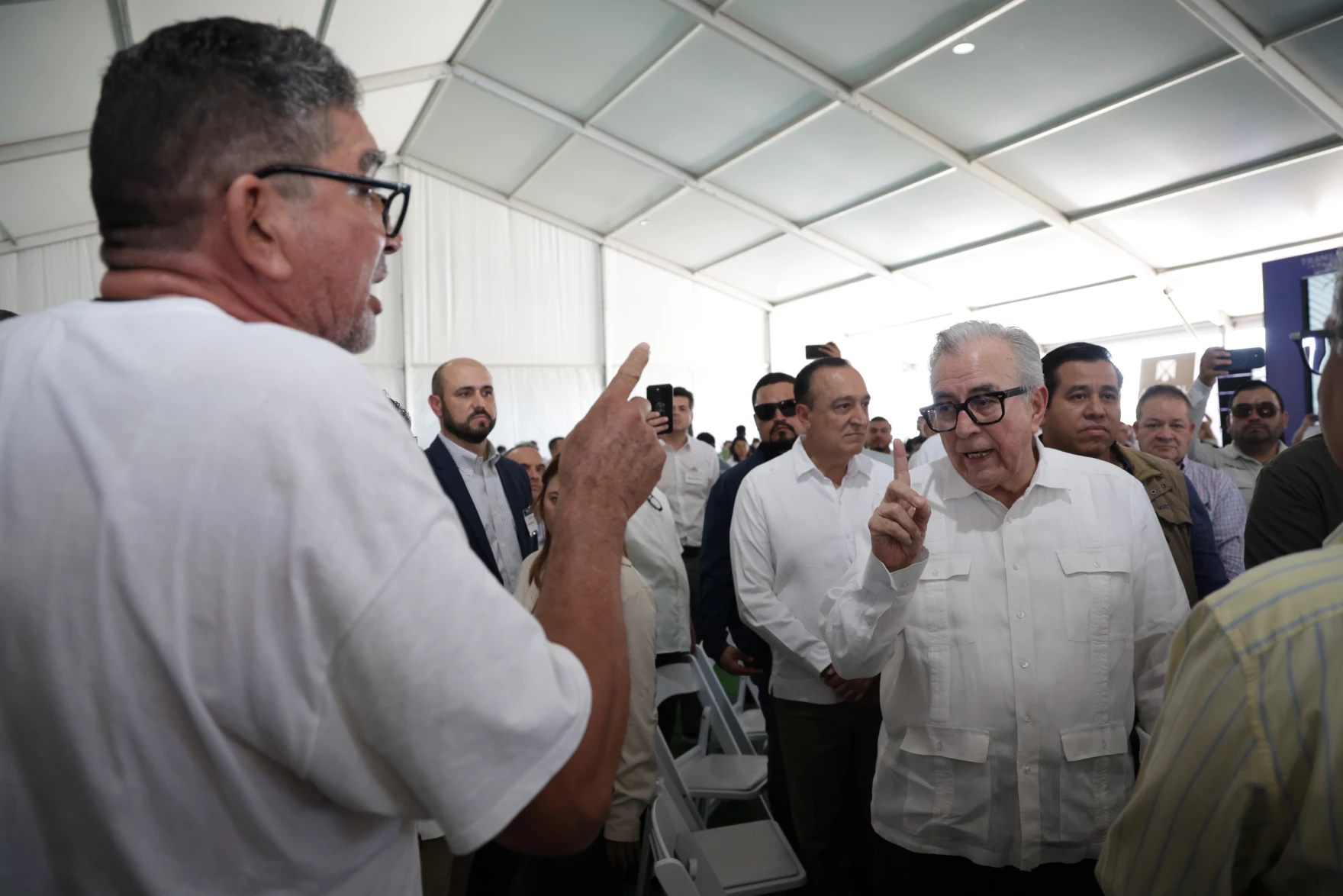
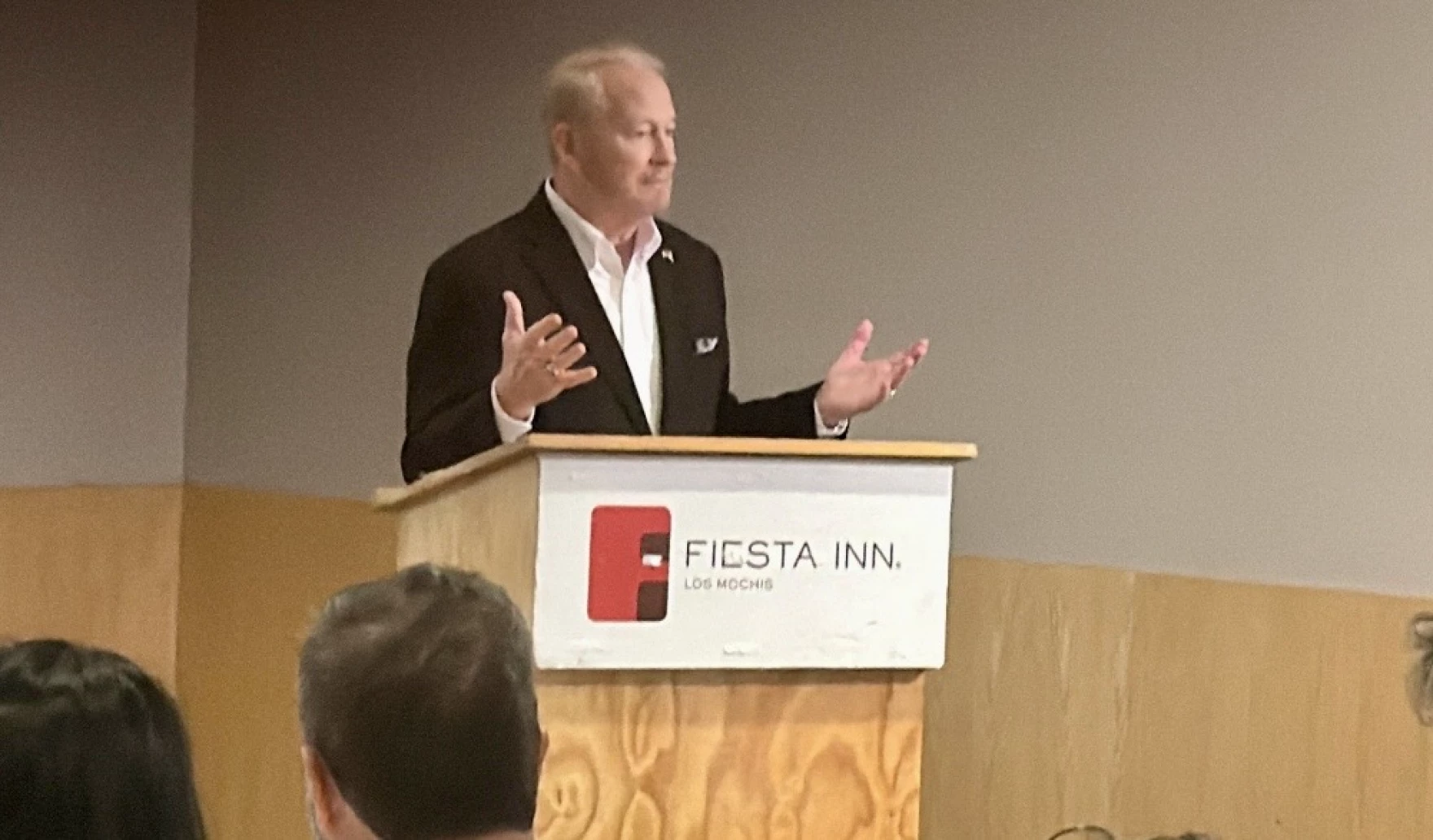
LOS MOCHIS, Mexico – The U.S. ambassador to Mexico, Ronald Johnson, traveled to northwest Sinaloa state last week for what seemed a routine ceremony: The groundbreaking for a factory near the city of Los Mochis.
But his comments are a part of a broader, and more provocative agenda, said sources familiar with the bilateral relationship. They mark the launching, the sources said,
of a wide-ranging anti-corruption campaign by the Trump administration targeting Mexican officials suspected of having links to organized crime.
Such a crackdown that could shake bilateral relations at a pivotal moment, as U.S., Mexican and Canadian negotiators are sitting down to review the North American free-trade pact — a linchpin in Mexico’s export-dependent economy.
The event on Thursday was to celebrate construction of a billion-dollar methanol factory, one of the largest single private U.S. investments in Mexico in recent history.
Addressing a gathering of company executives, investors and state officials in the Pacific Coast city of Los Mochis, Johnson began his remarks by touting the project and highlighting the importance of U.S.-Mexico relations.
The investment in this portion of the pacific coast is part of a general push for a trade corridor towards the U.S., via Texas, and Canadian border.
“The Pacifico Mexinol project represents a $3.3 billion investment during its construction and development,” Johnson said. “It will become the largest ultra-low emissions methanol facility in the world.”
But then Johnson pivoted to corruption, a touchy subject in Mexico.
“Corruption doesn’t just slow progress, it distorts it. It raises costs, weakens competition, and erodes the trust that markets depend on. It’s not a victimless problem,” Johnson said. “And it’s a direct obstacle to growth, to fairness, to opportunities, and to the long-term success of projects like this one.”
The ambassador then delivered a not-so-subtle message: Mexico needs to do something about its epidemic of crooked governance — from street cops to local mayors and governors to federal lawmakers, all on cartel payrolls – if leaders want to secure financial stability for the country of 133 million. He made clear the U.S. was coming after allegedly corrupt Mexican politicians.
“Investment is like water,” Johnson said. “It flows when the conditions are right, and it dries up when they are not.”
The U.S.-Mexico trade pact “requires our governments to criminalize bribery and corruption and enforce codes of conduct for public officials,” the ambassador noted as he closed his remarks. “We may soon see significant action on this front. So, stay tuned.”
The pointed remarks reflected the magnitude of the anti-corruption initiative. The campaign is expected to go well beyond the traditional sanction — the canceling of visas for those suspected of being in league with cartels. The comments also come at a sensitive time for both countries facing crucial midterm elections; The United States this November and Mexico in 2027, and follow a deadly car crash that revealed the deepening role of the CIA in Mexico. Two CIA agents and two Chihuahua state law enforcement investigators were killed in a car crash, after dismantling a drug lab.
This time the crackdown could include indictments of Mexican politicians in U.S. federal courts, including members of the ruling Morena party, a political movement founded on a “no corruption” platform. The sources spoke on condition of anonymity to discuss internal matters.
Official responses to Johnson’s remarks were muted.
When asked about Johnson’s remarks Friday in her morning news conference President Claudia Sheinbaum laughed. “That’s exactly what we’re working on,” she said, referring to the ambassador’s anti-corruption dictates. “The United States should do the same.”
U.S. prosecutors carrying out such an initiative could turn to a large pool of potential informants.
Scores of former cartel operatives — including the sons of Joaquín “El Chapo” Guzmán, legendary founder of the Sinaloa mob – languish in U.S. custody. Many are believed to be eager to become “snitches” against former accomplices, including crooked politicians and cops.
To deliver his message, Johnson chose Sinaloa state–the base of the Sinaloa cartel, one of the world’s most notorious drug-trafficking conglomerates.