Editor’s note: If you or someone you know may be considering suicide or is in crisis, call or text 988 to reach the Suicide & Crisis Lifeline.
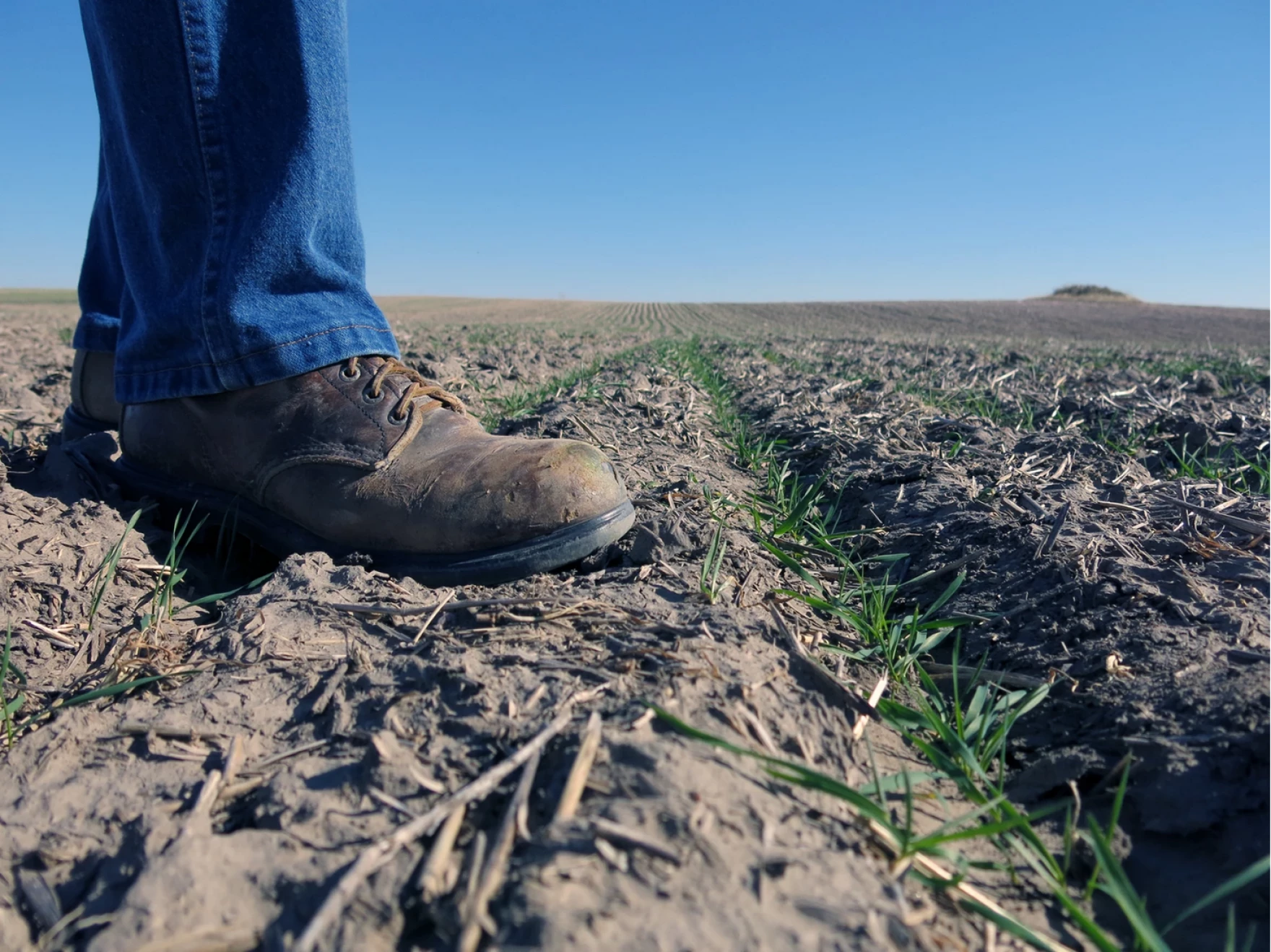
Brent Brewer has a passion for helping his fellow farmers and ranchers handle the stress that comes with agricultural work. He’s known around Oklahoma as someone you can call if you’re struggling with your mental health.
“This is a hobby of mine,” said Brewer, who farms and raises cattle in Grant County, Oklahoma. “To help people navigate through tough times and to try to get their legs back underneath them.”
Rural populations, particularly farmers, have a higher suicide rate than the general public. The unique stresses of working in agriculture can exacerbate symptoms of depression and anxiety – particularly when the economic situation is dire for farmers, like it is now.
Brewer is happy to hear anyone out, but he’s also quick to refer them to professional resources, including 988, the National Suicide & Crisis Lifeline.
“I divert a lot of my calls. I like the 988 people to take them,” Brewer said.
But Brewer is also worried about whether the resource will get the financial support it needs to keep helping his neighbors.
Since it started taking calls in 2022, demand has increased for 988 nationwide.
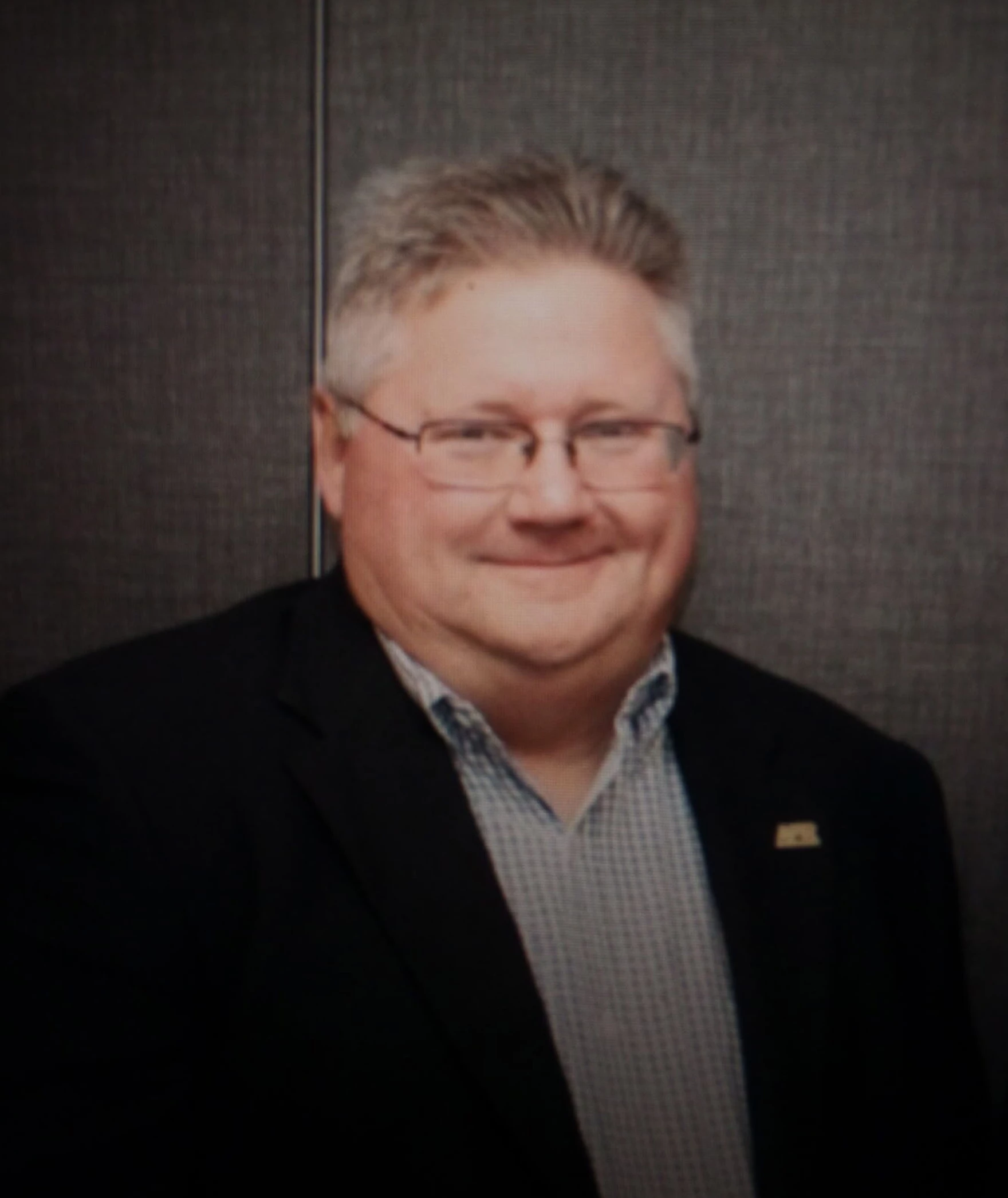
Brent Brewer is a farmer and mental health advocate in north-central Oklahoma. Courtesy Brent Brewer
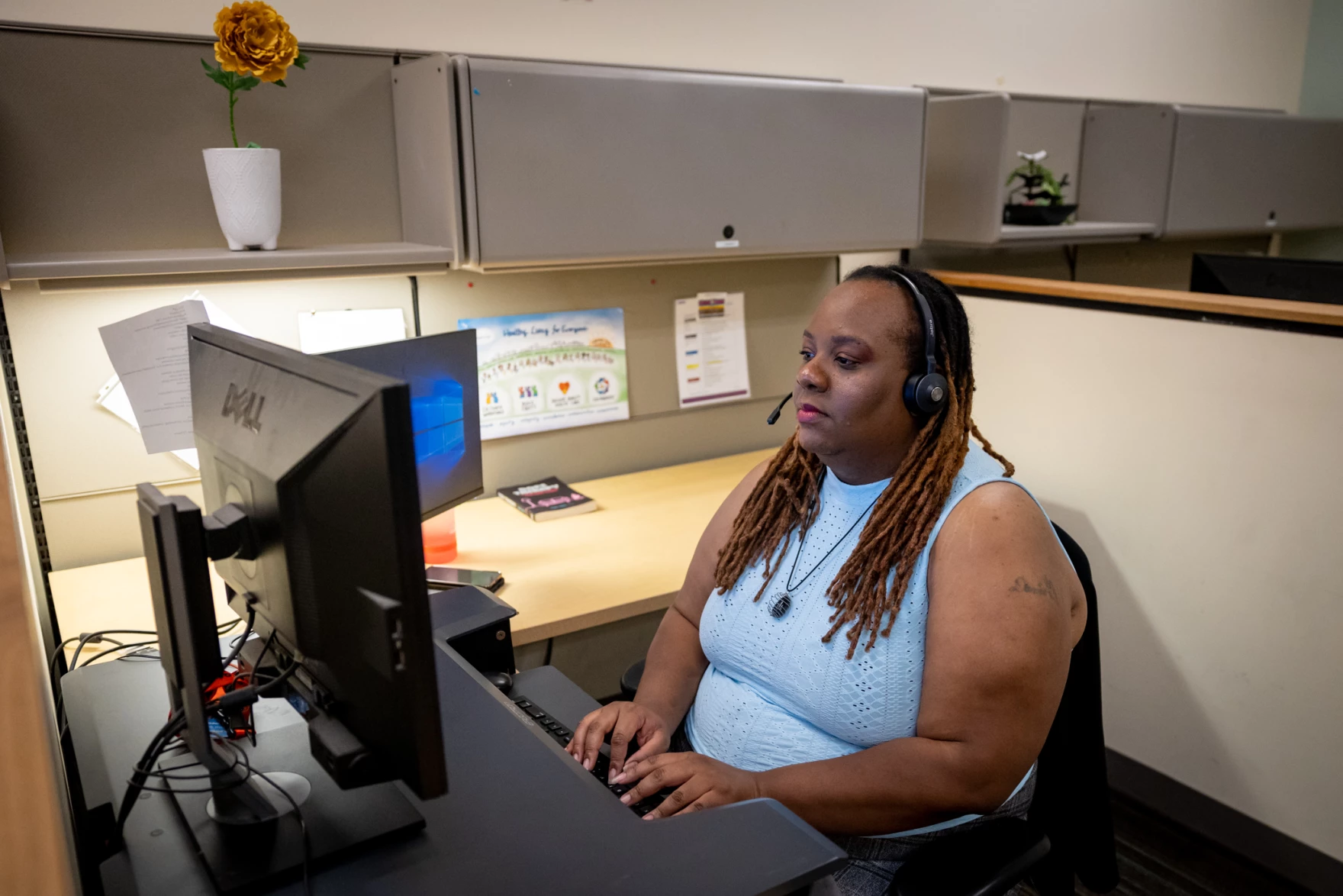
“We have been seeing a month over month increase in utilization of 988. And so we are also working pretty hard to keep up,” said Monica Kurz, chief administrative officer for Health Source Integrated Solutions in Kansas, one of the state’s 988 call centers.
The 988 system was designed to give people in crisis an easy-to-remember number that’s available 24 hours a day via call, text and chat. Every state has its own set of call centers with trained operators.
Kurz says the service is a necessity for rural Kansans.
“We know that in our rural and frontier counties in Kansas, folks might be traveling hours to get to their nearest mental health clinic. And this is a way to access services right away without that kind of distance barrier,” she said.
The federal government, which initiated the program four years ago, has largely paid for service. But the program was designed for states to eventually fund 988 on their own. Few states have plans in place to continually fund the critical service though. And as demand outpaces funding, some call centers are finding it hard to keep up.
“When you increase demand, you have to increase capacity to meet that demand,” said Jonathan Purtle, an associate professor at the New York University School of Global Public Health who studies 988 funding. “And to increase capacity, you need money.”
No sustainable funding
Responding quickly to an incoming call or text to 988 is essential, says Kurz of Kansas 988. Her goal is for the center to respond to a call within 20 seconds.
Kansas call centers were about six seconds slower than that last year, on average, but faster than the national average of 34 seconds, according to the most recent federal data available.
A caller frustrated with a long wait time might hang up. Plus, if they spend two minutes on hold, the call is re-routed from a local facility to a national backup center.
In-state operators often have a better understanding of local circumstances. This can be especially helpful for rural users.
“I think about some of the situations that we’ve had with fires out west in Kansas,” said Kurz. “And I don’t know that someone who’s sitting in a backup center has any idea of some of the stress that some of our western Kansas communities have been under when I think about things like those fires.”