The Trump administration has made big promises to cut federal spending, and the Department of Education has been one target.
Trump signed an executive order in March dismantling the agency and returning oversight of education to states, though that order has been held up in court.
And while many have focused on what that would mean for public school funding, there has been less discussion about how these changes will affect adult education.
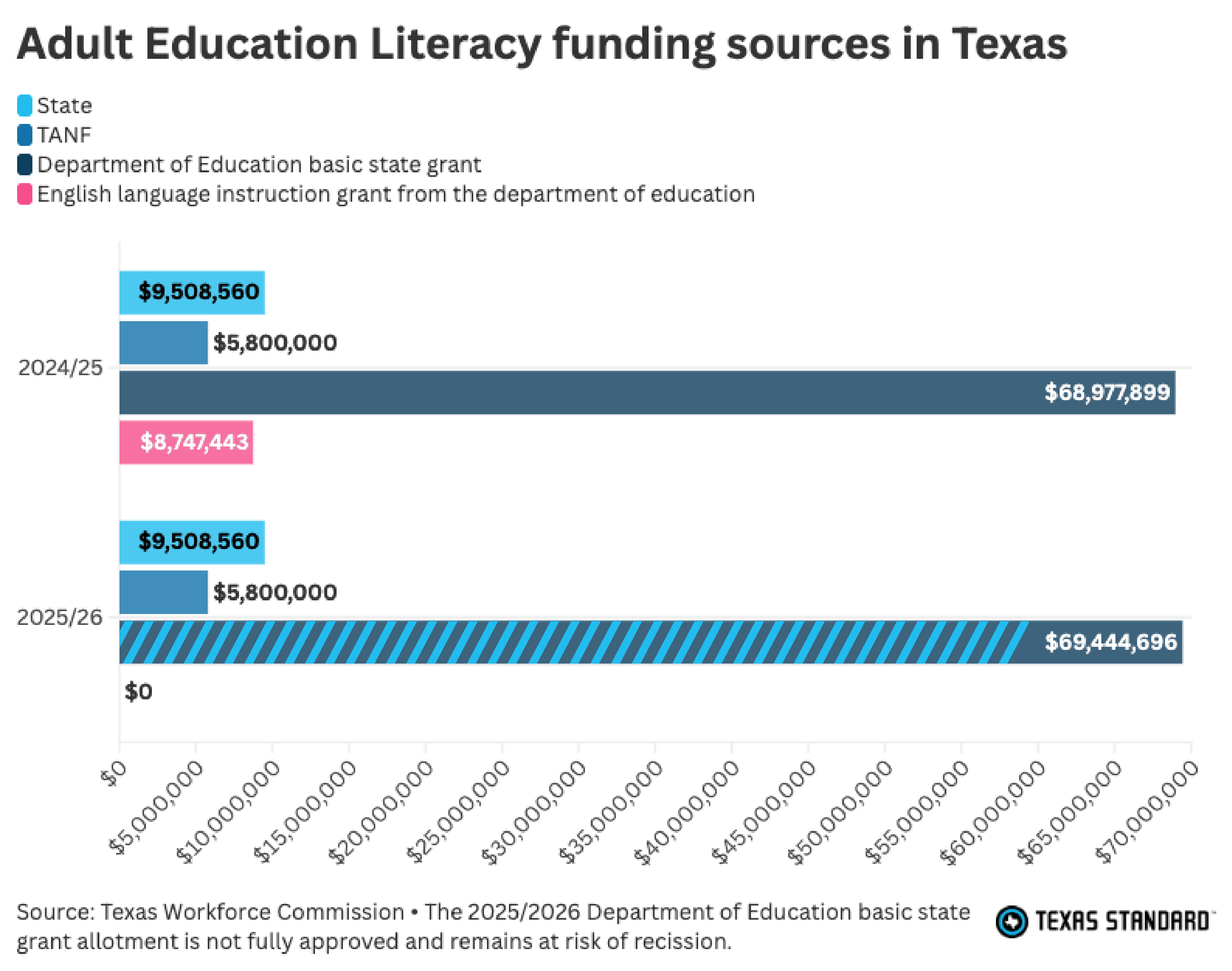
Adult education programs in Texas — which encompass GED classes, English as a second language instruction, and job training — receive a mix of federal and state funding through the Texas Workforce Commission.
“We put out a request for applications. Entities from across the state who have demonstrated experience in serving adult learners can apply for those funds,” said Mahalia Baldini, the commission’s director of adult education and literacy. “Typically those organizations are community colleges, independent school districts, nonprofits…think about any entity that’s really just focused on serving adult learners in the state.”
The commission distributes grants throughout Texas via 28 regions. Each region has a primary provider that uses these funds to meet adult learning targets in their areas.
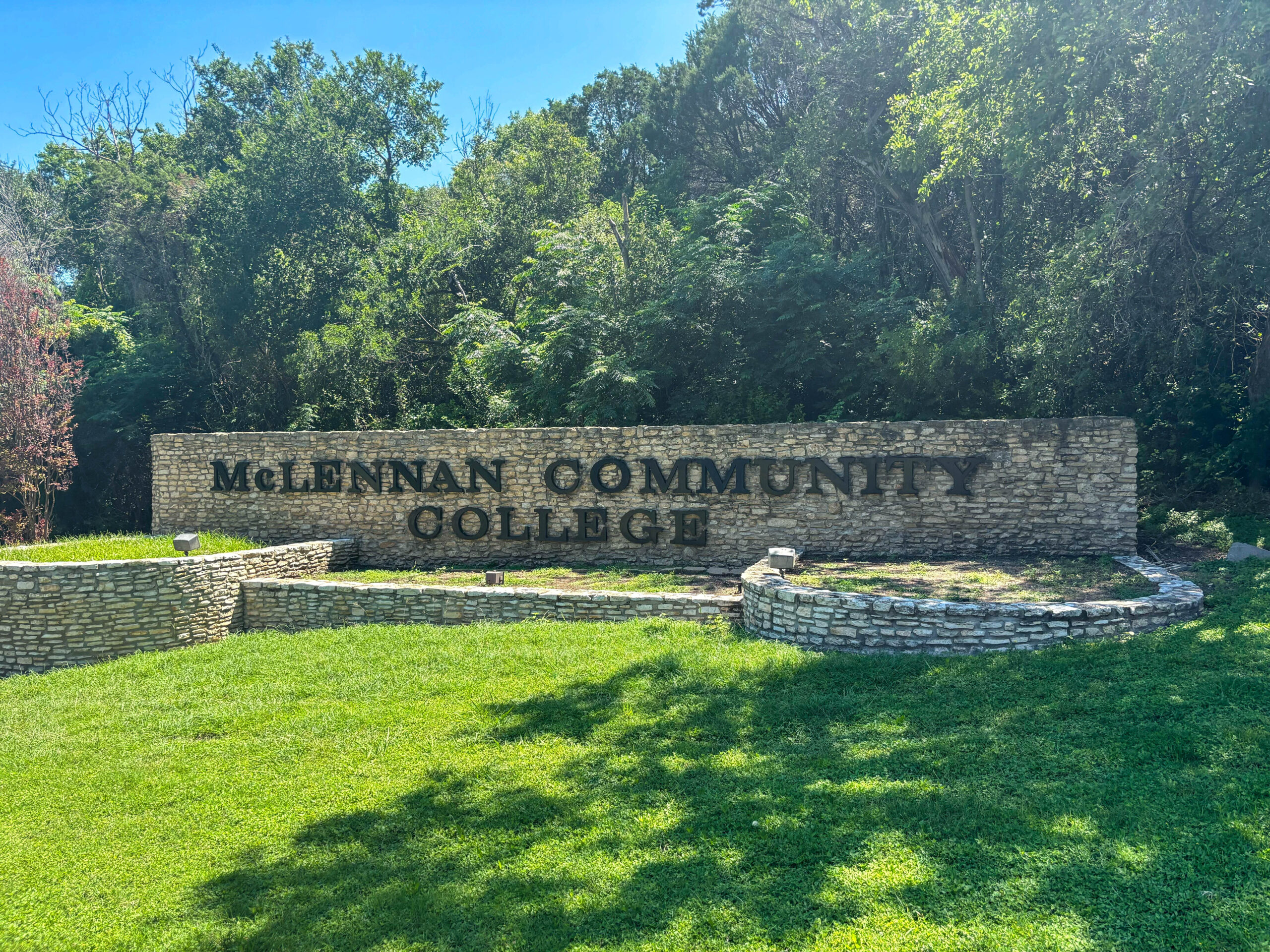
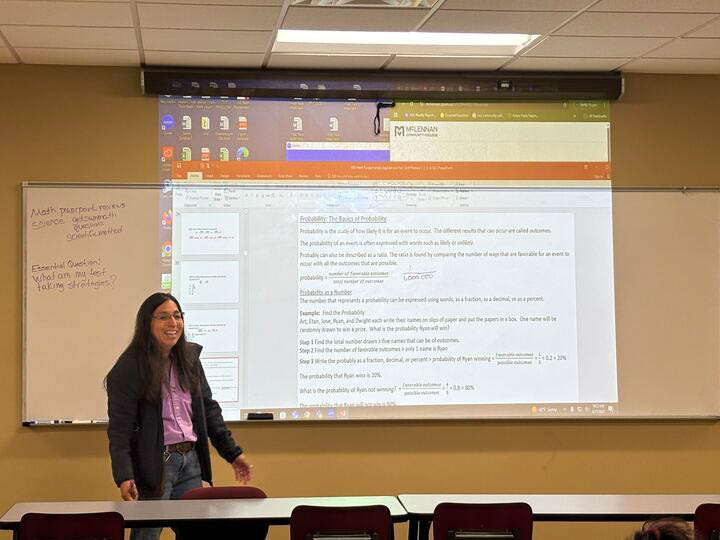
McLennan Community College in Waco receives a mix of federal and state dollars to support adult education and literacy efforts in the area. These dollars are distributed by the Texas Workforce Commission to providers across the state. Sarah Asch / Texas Standard
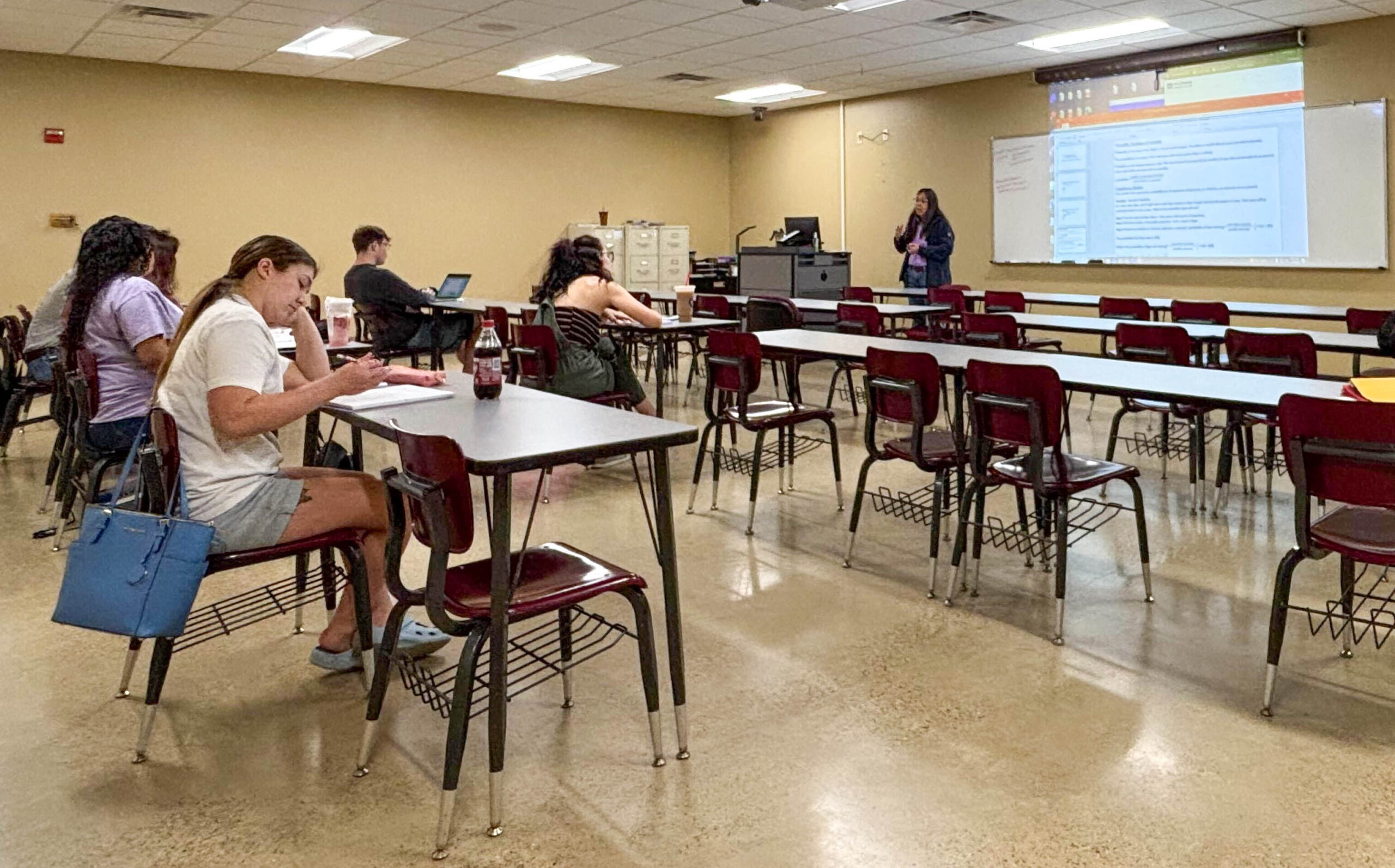
For Waco and the surrounding counties, that provider is McLennan Community College. This summer, a small group of GED students at McLennan are preparing to take their math exams — among them is Brittnay Camp, who started taking GED courses last August.
Camp said she was motivated to go back to school because she wants to become a paramedic.
“I started in the fire department as a volunteer and I got into the medical world,” she said. “I want to (be a) paramedic but you can’t be a paramedic without a GED.”
» RELATED: Life often gets in the way of adults going back to school. This Texarkana nonprofit has a solution.
McLennan has been trying to do a lot with a little for students like Camp for a while now.
The Texas Workforce Investment Council found that federal and state grants only pay for about 3% of adult education needs statewide – and that need is substantial. The council’s report from last December estimates about 4.7 million Texans qualify for adult education services. That’s about 1 in 5 Texans over the age of 16.
Funding from the Department of Education makes up most of the money that pays for these services in Texas – about 80%. But as the Trump administration works to cut spending and eliminate the Department of Education, that funding is increasingly uncertain.
The money is usually allocated in the spring. But Sharon Bonney – the CEO of a national advocacy organization called the Coalition on Adult Basic Education – said this year, spring came and went with no announcement about incoming money.
“We were really fighting for it even in June,” Bonney said. “We knew that local programs would have to start laying people off, and it would come down to closures if the funding didn’t come through.”
The Texas Workforce Commission was also waiting. In the midst of the uncertainty, TWC staff proposed at least allocating a smaller budget so providers of adult education in Texas had some ability to plan for the months ahead.