From the American Homefront Project:
Soon after the Trump administration moved to end federal DEI programs in early 2025, Defense Secretary Pete Hegseth followed with directives for the military. He banned DEI policies, and bases removed content spotlighting race, sex, color, or ethnicity.
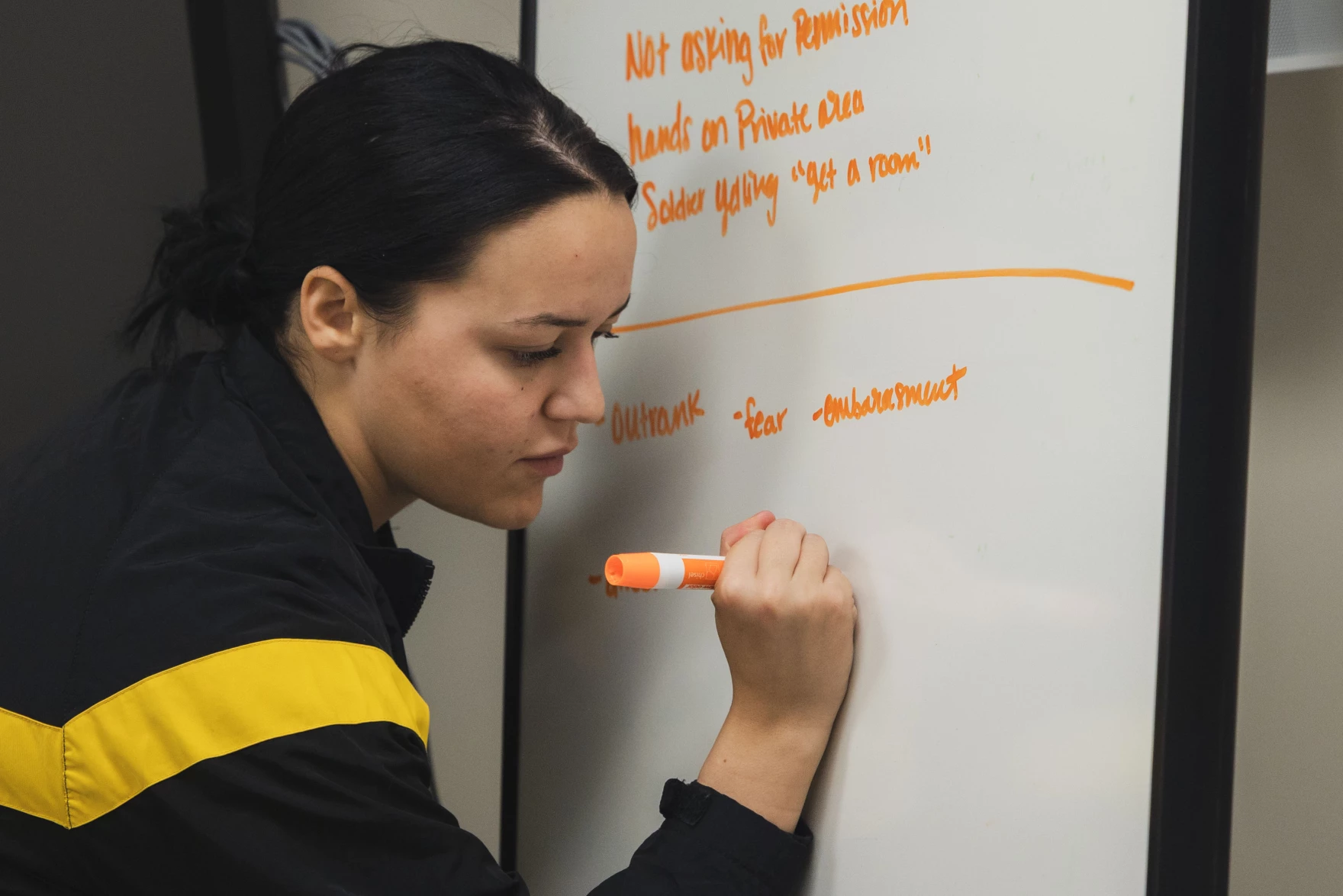
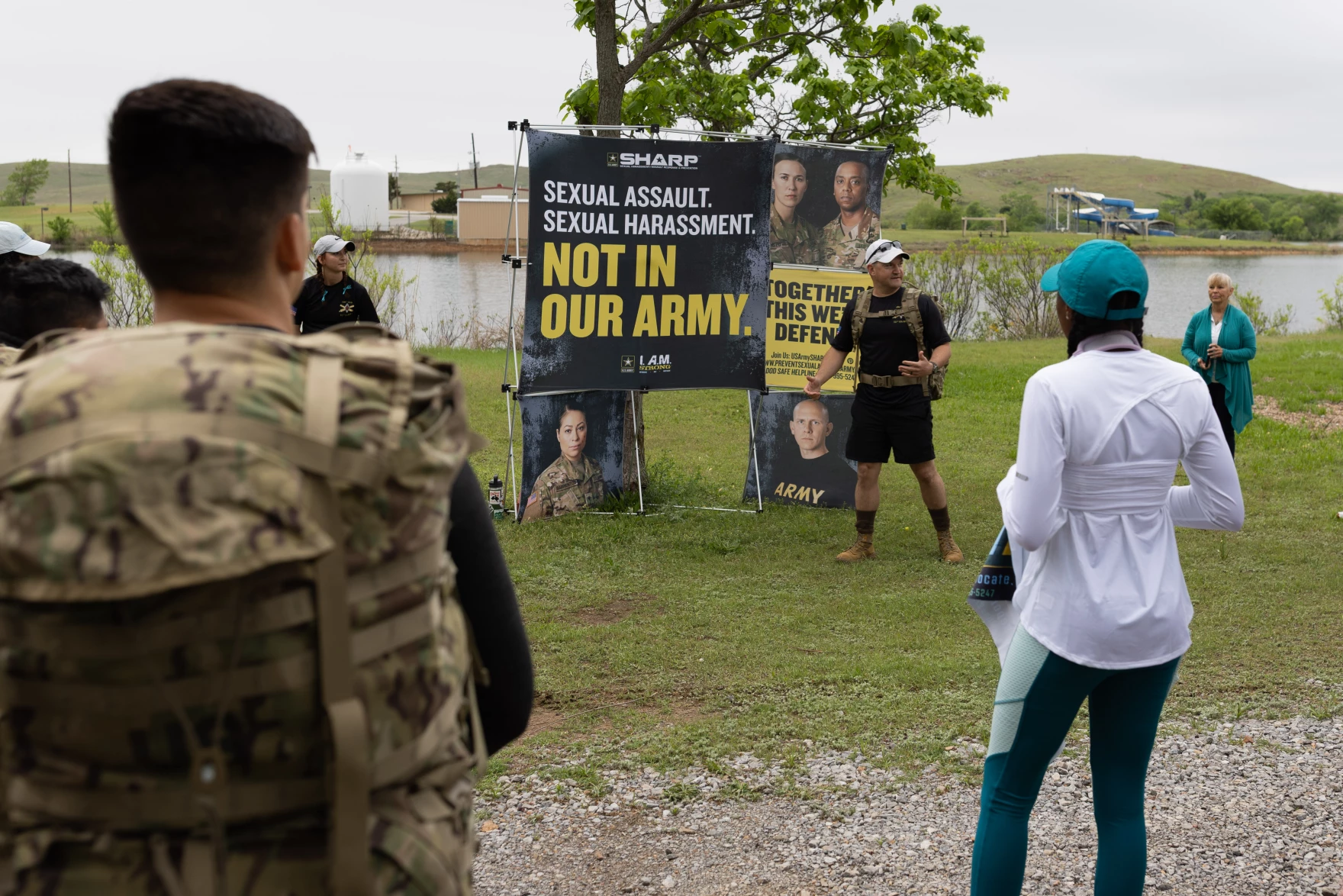
Some say it created fear that other programs were in the crosshairs too, including the Army’s Sexual Harassment and Assault Response and Prevention program, known as SHARP.
“I saw soldiers going around and ripping SHARP posters off of the wall because they were concerned — truly, genuinely— that it was a DEI program,” said Rita Graham, an Army veteran and policy director for the Service Women’s Action Network.
Graham said many of the service members she spoke with supported the program but were confused by the messaging from the top.
“Because SHARP is associated with women service members, which, of course, isn’t true. Everyone can be assaulted, men, women… Assault isn’t based on gender.”
The Army’s SHARP program remained in place after the directive. But some of the service branches temporarily paused training related to sexual assault prevention while they reviewed the guidance.
“I think there’s a real concern within the services about not getting crosswise with the secretary, and they’re interpreting that to mean they should lean into training and prevention a lot less,” said Josh Connolly, senior vice president of Protect Our Defenders, a nonprofit focused on military sexual violence.
“As far as folks speaking out about problems with the system, I would say there’s generally been a chilling effect that we’ve witnessed.”
Advocates and attorneys say the culture around reporting sexual harassment is shifting, with more screening up front and more hesitation about moving cases forward.
“My sense of the the overall environment is that victims of sexual harassment are far less likely to move forward with a case now than they would have been. I don’t have the data on it. I’m not aware of any data on it. But the culture suggests that victims no longer are initially believed,” said Ryan Guilds, an attorney at the law firm Arnold and Porter who also represents military-connected victims pro bono through Protect Our Defenders’ legal support network.
“Essentially, when someone comes in to report, you don’t immediately open an investigation,” he said. “You take additional steps first — starting the process with, ‘We are not believing the victim.'”
Guilds points to a 2025 Pentagon memo reviewing the military’s equal opportunity system, including how it handles sexual harassment complaints from civilian employees. The memo emphasizes the rights of the accused and possible punishment for people who file false reports.
A Pentagon spokesperson said in a written statement that the memo does not apply to sexual assault cases. The department said it “continues to encourage greater reporting of sexual assault and harassment and remains committed to connecting victims with restorative care and holding offenders appropriately accountable.”
Rita Graham said that even where formal policies haven’t changed, the shift in tone is already re-triggering symptoms for some survivors. She worries that over time, it could discourage people from reporting.
“It’s just frustrating to see how these things keep trickling down, that servicewomen feel less comfortable to report their assault to their chain of command. They then don’t feel comfortable to go to the hospital to get a to get a rape kit,” she said. “It’s death by a thousand paper cuts. All of these things compound and ultimately reduce service members’ trust and safety in their service.”