From NPR:
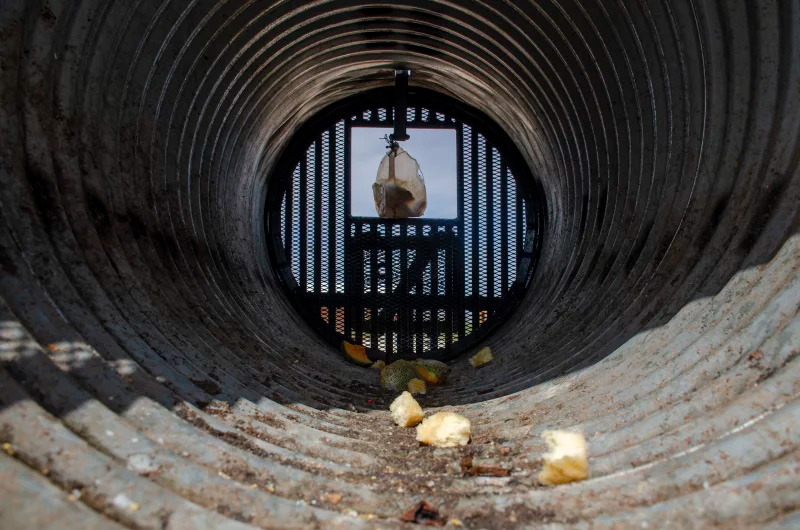
ALPINE, Texas — In one of the most remote corners of Texas, Matt Hewitt is unlocking the door to a giant steel trap he’s hoping will catch a black bear.
“It’s completely empty,” Hewitt says, as he reaches for a bucket with bait – days-old glazed donuts and frozen cantaloupe.
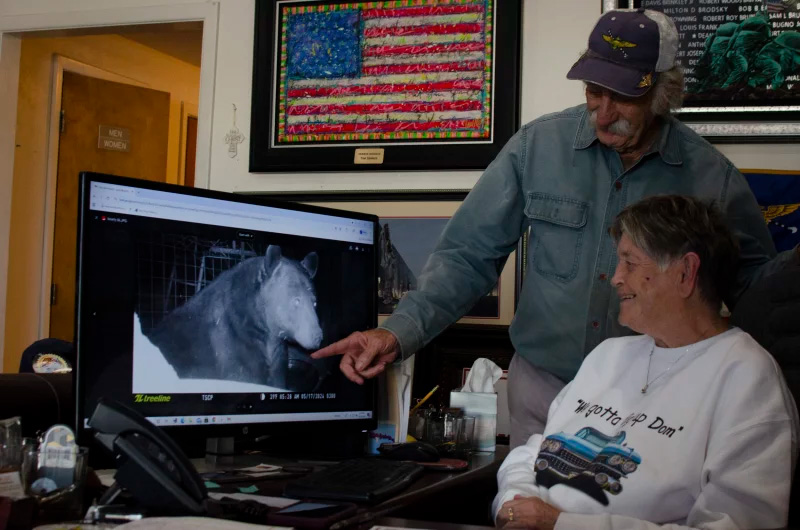
Hewitt, a researcher at the Borderlands Research Institute, affiliated with Sul Ross State University, leads a group that captures and collars black bears to try and get an idea of just how many are roaming the mountains and desert stretches of Far West Texas. And although it’s too soon to say exactly how many bears there are, Hewitt believes “there’s more than people realize.”
Historically, black bears were once the biggest predator to travel the region in large numbers, but overhunting and habitat loss led to their decline over several decades.
But in recent years, the number of black bears in West Texas have been on the rise: sightings in the state have jumped from nearly 80 in 2020 to at least 130 so far this year, according to state data. And in other states, researchers believe black bear populations are growing too.