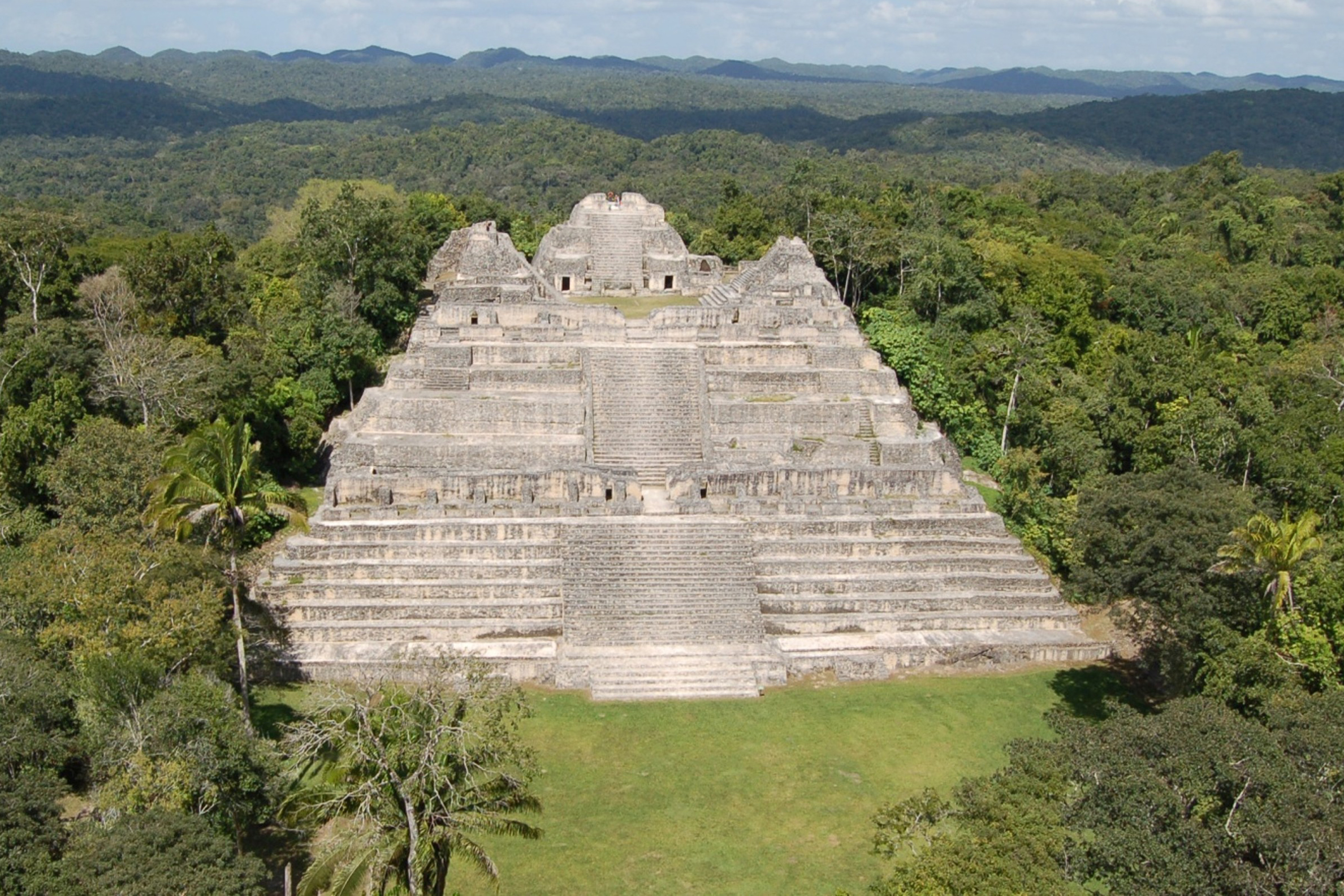
Discovering the tomb of an ancient Mayan ruler may sound like something out of “Indiana Jones,” but for a couple of Texas archaeologists, it’s far from fiction.
Drs. Arlen and Diane Chase, University of Houston professors, recently unearthed the tomb of Te K’ab Chaak, the ruler of the ancient Mayan city of Caracol, now in present-day Belize.
The two have led the university’s Caracol Archaeological Project for nearly 40 years, but this latest discovery may be their biggest yet – contributing much to understanding more about the ancient Mayan civilization.
The Chases joined the Standard to discuss what makes this discovery so monumental. Listen to the interview above or read the transcript below.
This transcript has been edited lightly for clarity:
Texas Standard: Diane, let’s begin with you. I understand you and Arlen have been excavating at this particular site in present-day Belize for decades. Why this area in particular? What have you been looking for? Tell us more about its importance.
Diane Chase: We’ve been working at the site of Caracol for almost 40 years, which means we know a lot about it. And we originally started working at this site because we were interested in a place where we could compare history and archaeology. There are historic Maya texts in terms of hieroglyphs and archaeological remains.
We’ve been able to do a lot of really interesting things. But this year in particular we were looking for any data that would help us understand better the relationship between the ancient Maya and the peoples that lived in Teotihuacan, outside of Mexico City. So that was the reason for this particular field season set of excavations.
You two have become authorities on Mayan civilization through this work that you’ve done over the decades, but this latest discovery seems particularly monumental.
Arlen, tell us more about this tomb that you two discovered and its significance.
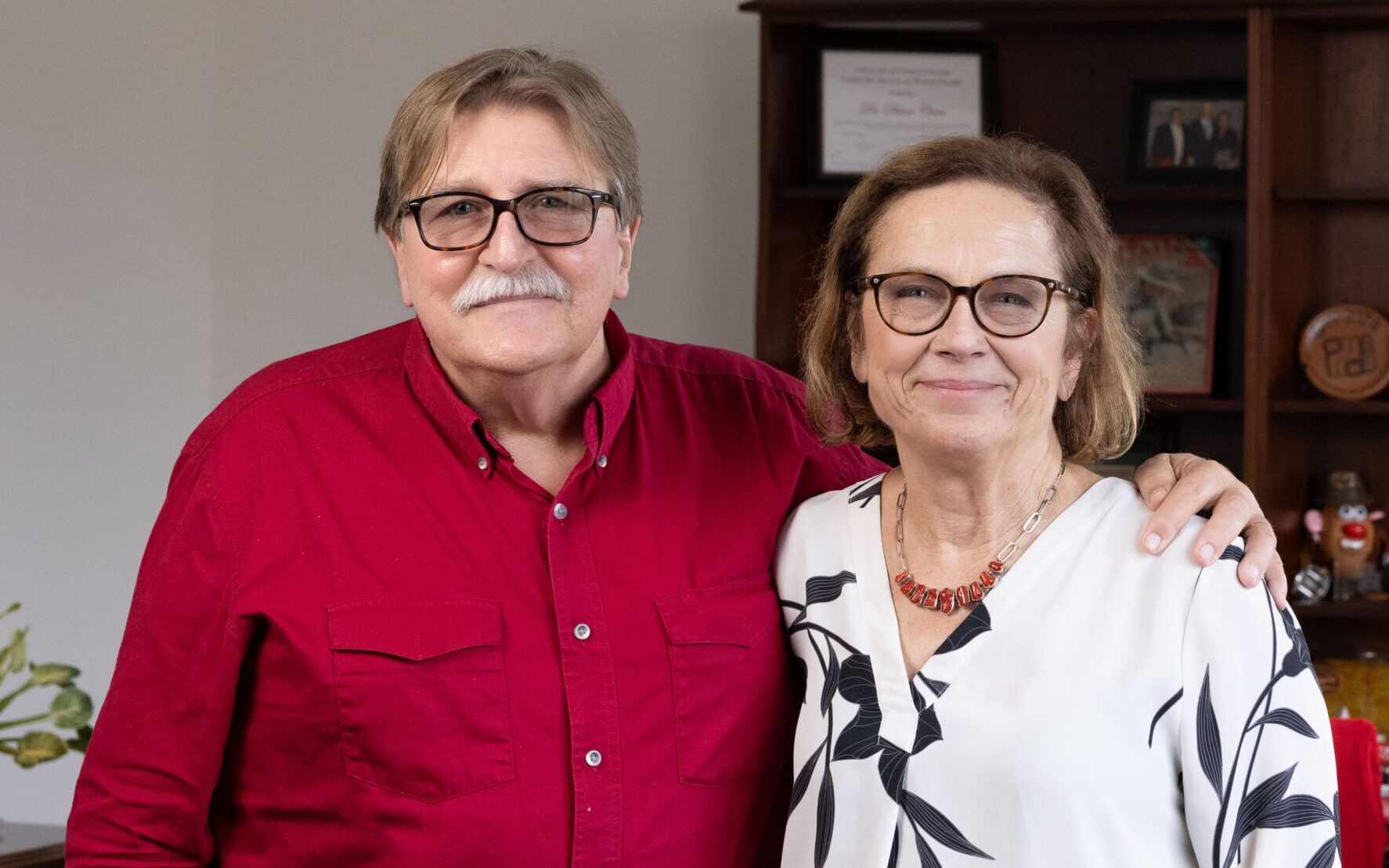
Arlen and Diane Chase have been leading the University of Houston’s Caracol Archaeological Project for nearly 40 years. Ben Corda / University of Houston
Arlen Chase: Well, this tomb is actually the first chamber that we’ve found since we started excavating at Caracol that we can identify as a ruler. And it’s built on all of the work that we have done there.
We went back to a trench that we had originally opened in 1993 and went through an earlier tomb chamber that dated to around 600 A.D. because we dug almost everything on all sides of that chamber. And this was the only front part of that trench that we hadn’t tested.
And we had lots of other deposits that dated to around 350 A.D. or earlier that were in association with this building. And we thought it was a good locus to be able to find something like this tomb.
Diane Chase: If I could add to what Arlen said, it’s the first chamber that we found that we could associate with a ruler at Caracol, but it is also the only one that we’ve found that we can identify by name. So that’s the first ruler in the actual dynasty at Caracol.
Arlen Chase: And the reason we could identify it as a ruler, there’s multiple: One, it was a chamber over seven cubic meters in size, which we’d already noted for other chambers that we’ve dug at Caracol. That indicates it’s a royal chamber.
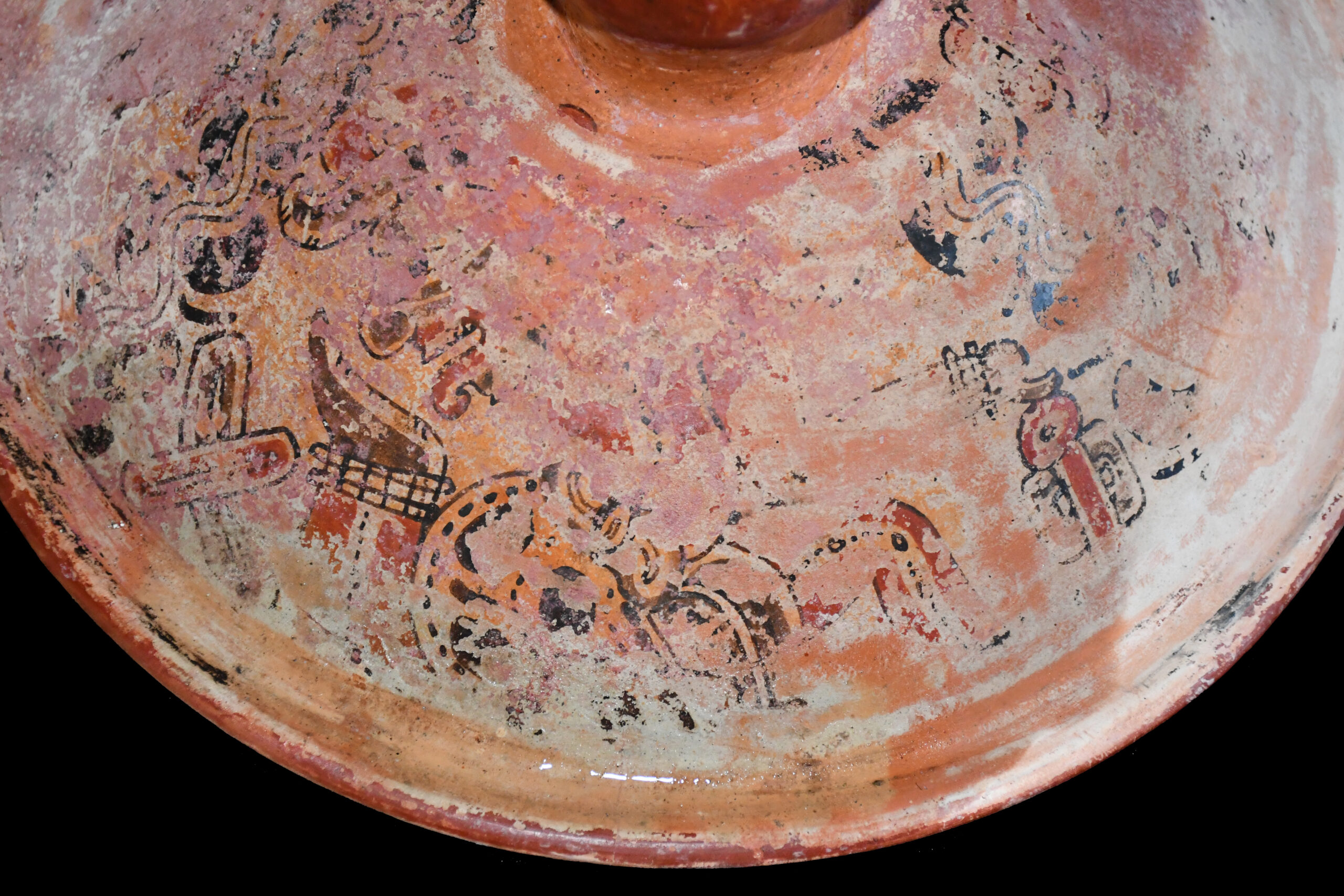
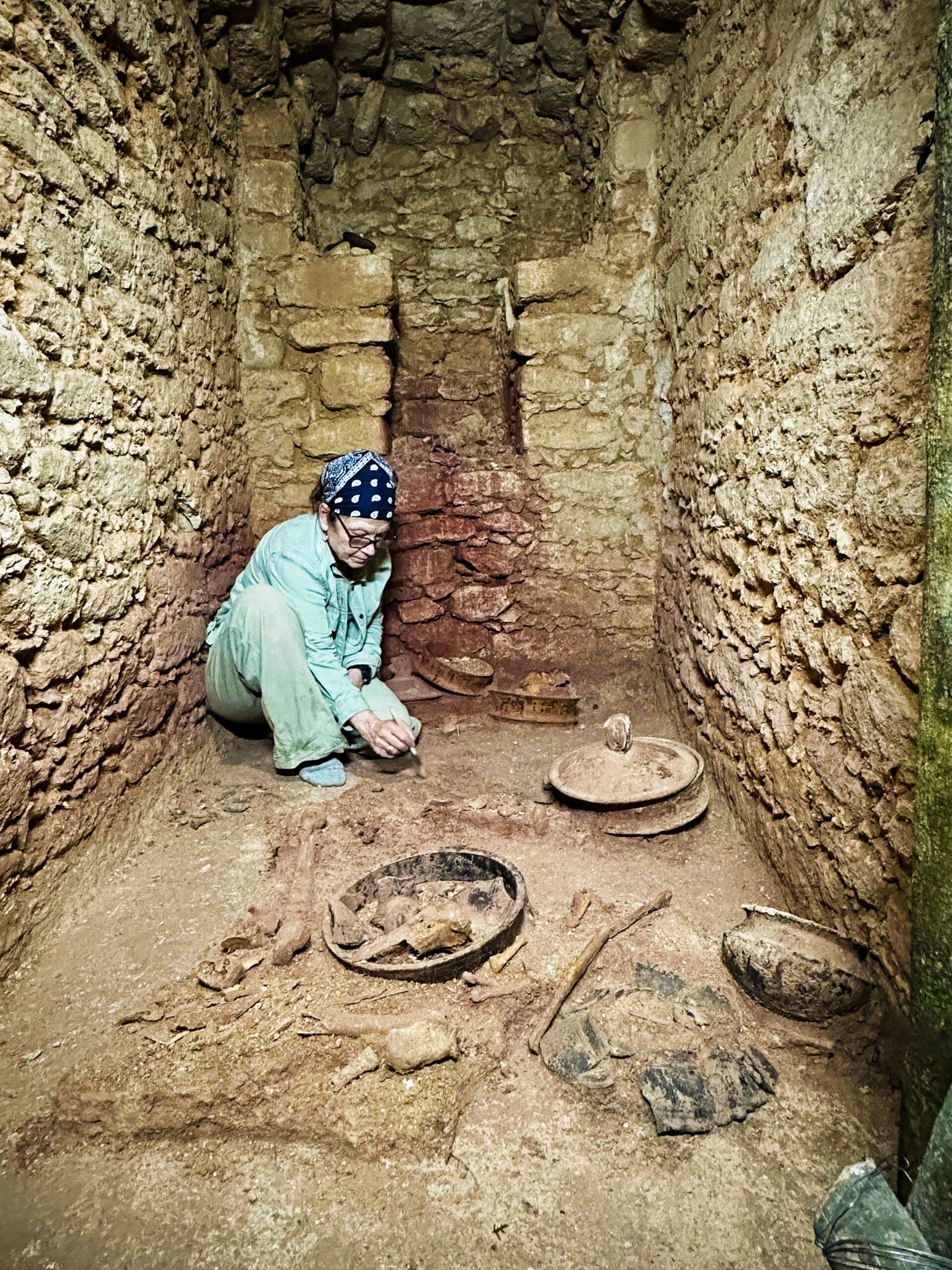
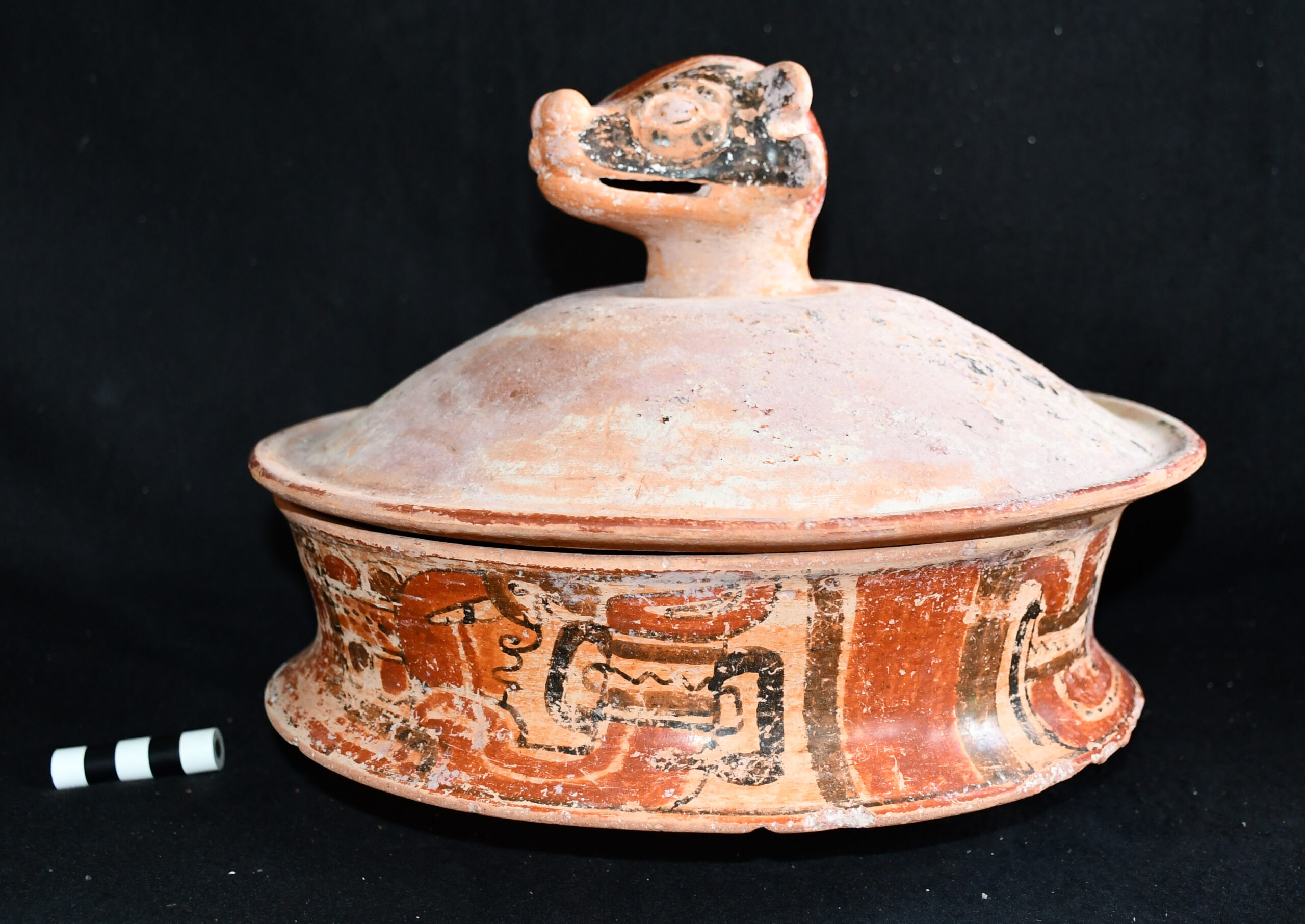
When we were able to look in, we could see it was covered in red cinnabar, which is highly unusual, but it’s also usually a sign of royalty. And then when we started into the chamber, we could see ceramic vessels at approximately the right time period, but they were covered in dirt, and excavation revealed three sets of jadeite ear flares, which is the most we’ve found in any tomb at all.
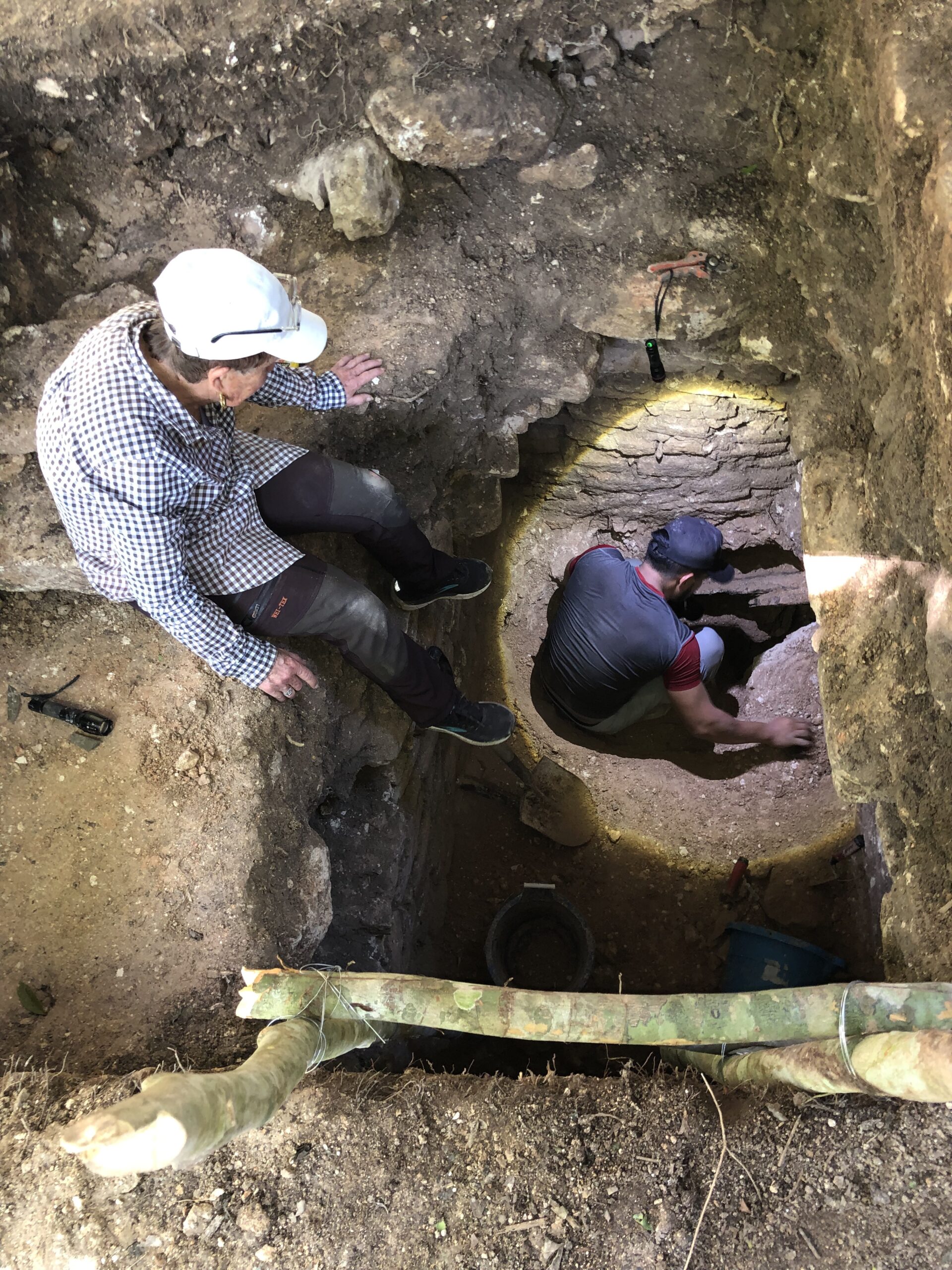
Maureen Carpenter and Edwin Chan, members of the Caracol Archaeological Project, peering into the entry point for the Te’ Kab Chaak tomb. The royal tomb was accessed in 2025 by carefully excavating through the floor of an earlier tomb built above it, first discovered in 1993. Caracol Archaeological Project / University of Houston
You open, what, was there a kind of obvious portal or door that you …?
Arlen Chase: No, we actually came in through the roof of the chamber. We excavated this earlier chamber we’d seen in 1993.
We had not gone through the floor, and we had barely gone through the floor 20 centimeters when we could see a slight hole. And that hole then turned into a massive cavity that was in fact the constructed tomb. And the floor of that tomb is over four meters below ground surface.
Diane Chase: So we came in through the capstones, essentially, or the side of the roof.
So you move the capstone away. What did you literally see, and what was your reaction when you saw it?
Arlen Chase: Well, we saw an air hole that went down for over two meters. And we knew at that point that we had found something important. We had no idea at that time how important it was. And that was because the dirt that covered the floor of the chamber and a lot of the vessels, what needed to be excavated.
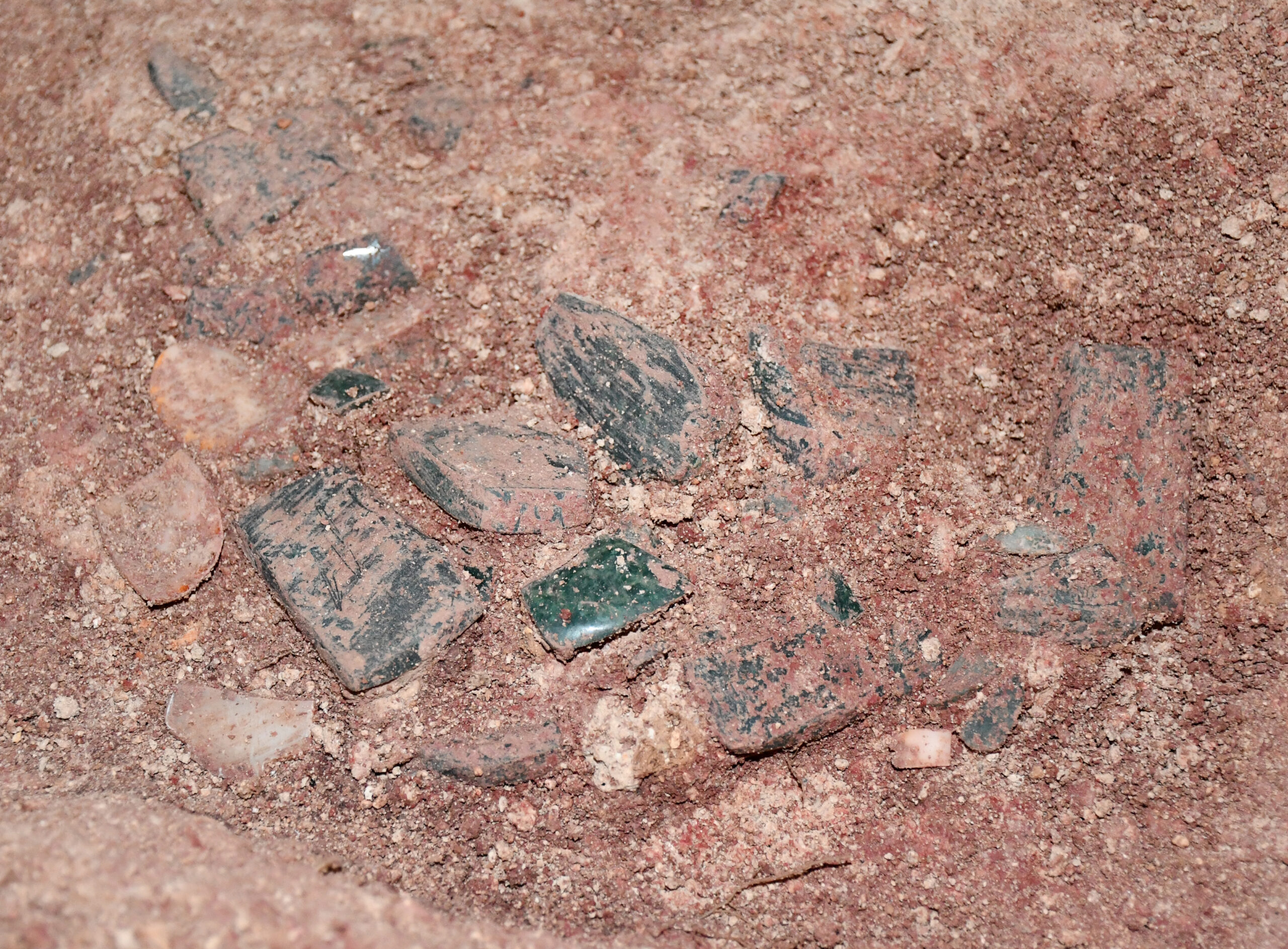
And then when we excavated that, we noticed there was a pile of jadeite plaques and some shell pieces off to one side, and originally we said, “oh it must be some kind of decorative piece.” And it wasn’t actually until we were in the process of removing it that it became clear it was an upside-down and broken jadeite mask because it had a huge nose and it had ear flares and you can see figures with the shell eyes …
Diane Chase: It literally was the very end of the excavation – after we’ve photographed everything, we’ve drawn everything, at that point did we start to remove the pieces. And only then was it clear that it was this upside-down and broken mask.