El Dusty bridges Corpus Christi’s musical past with its present — with an eye on the future

The DJ and founder of downtown staples like Produce talks his career, Tejano music and what lies ahead for the city’s creative scene amid water supply uncertainty.

By Raul AlonzoMarch 20, 2026 12:10 pm, ,

When it comes to the musical legacy of Corpus Christi, some familiar names may pop up. There’s presenter Johnny Canales or, of course, the Queen of Tejano music, Selena Quintanilla-Perez, among others.

And while such figures continue to loom large in the city, visitors particularly to the downtown area may encounter the influence of an artist who has had an outsized impact on Corpus Christi’s creative output the last few years.

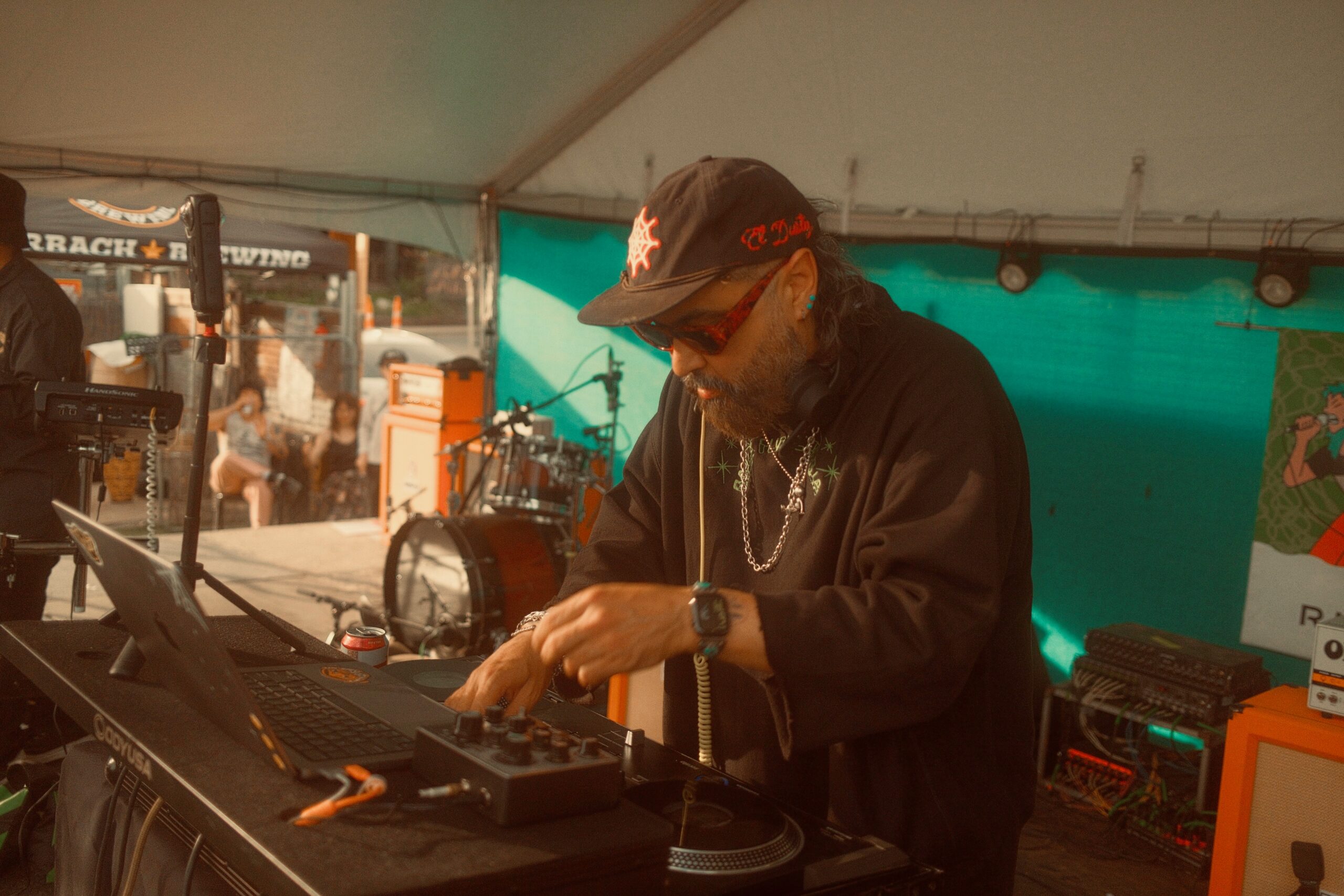
Dusty Oliveira, perhaps better known by the moniker “El Dusty,” bridges the sounds of the past and present with his blend of Latin Grammy-nominated cumbia electronica.

He joined the Standard to talk about his career, the projects he’s worked on to uplift the city’s scene, as well as where he sees things headed in Corpus Christi’s future. Listen to the interview in the player above or read the transcript below.

This transcript has been edited lightly for clarity:
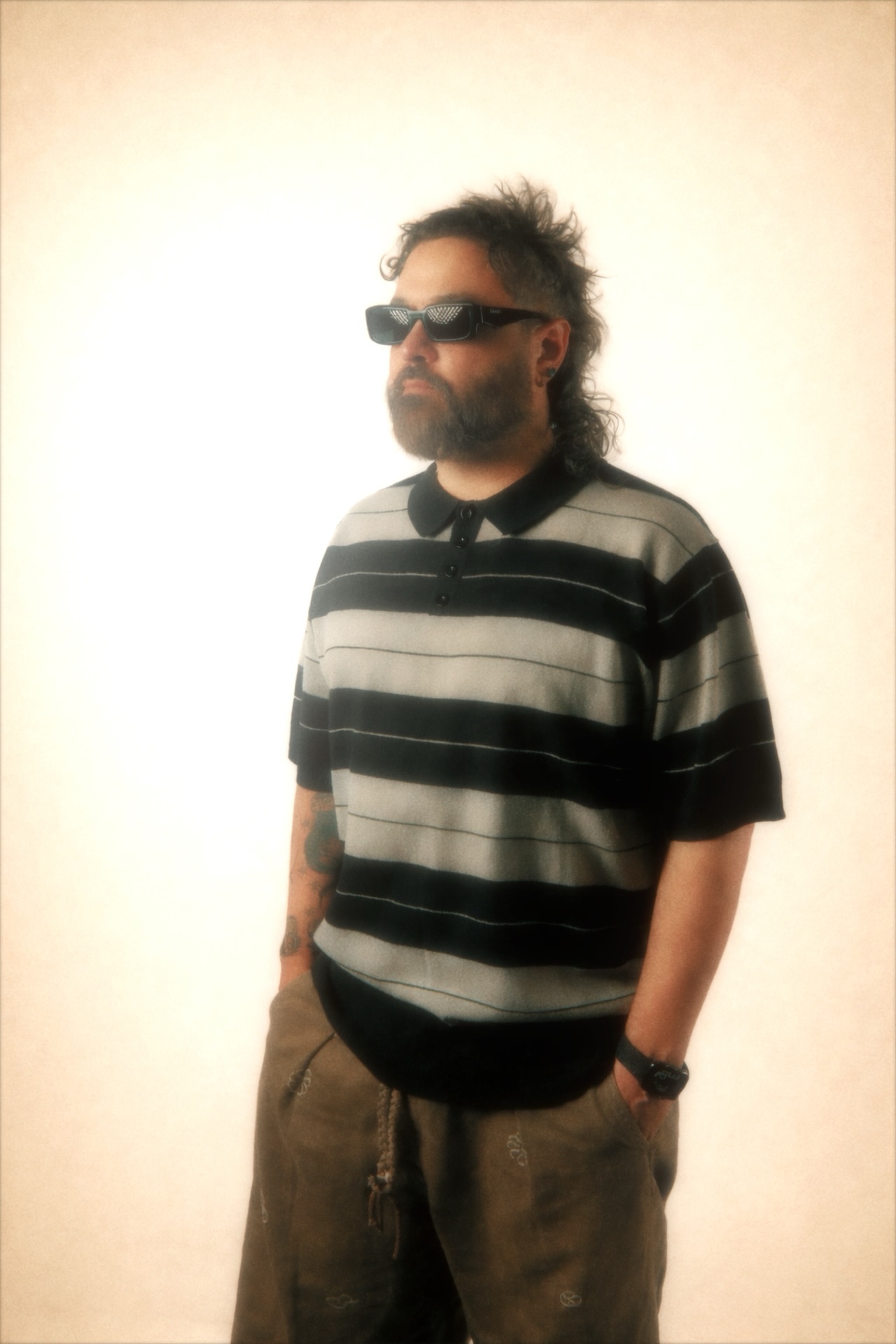
Dusty “El Dusty” Oliveira. Photo by Roel Rodriguez / @roelology

David Brown: Your sound is very much a blending of the past and the future, and I understand a lot of that stems from how you kind of got into music through record collecting. Do I have that right?

Dusty Oliveira: Yes, sir. I started off as a DJ. I’ve always been into hip-hop music and stuff. And when I was younger, I really wanted to learn how to scratch and just like be a DJ, like either DJing at a club or parties or DJing for a rapper or something.

And then my mom inherited this huge record collection from a DJ uncle out in Beeville. And like, you know, in hip-hop, you sample old records and that’s kind of what I was doing. And then when she got those records, it was a bunch of cumbia and Tejano music and old Latin soul and stuff like that. And so I just discovered it naturally, just by accident.

And then cumbias just kind of fell into my lap naturally, being here in Corpus and influences from Selena and A.B. [Quintanilla] and Kumbia Kings and all those guys. You know what I mean? So it was just a natural thing.

So when folks talk about El Dusty, of course, they’re talking about “El Dusty from CC” — which could be Corpus Christi, but it also could be “Cumbia City,” which is the name of your first full-length album.

And obviously that’s intentional, the way that those two C’s kind of line up. Could you say more about what Cumbia City means to you and how Cumbia City sort of reflects Corpus Christi?

Our city has been under sort of like a rejuvenation process for like the past… You know, forever. It’s always been kind of coming up.

And at the time, I guess I moved downtown a few years before my album, but we — me and my friends — we started a company called Produce. And we sort of do music videos, graphic design. And we’re kind of like an art house. And the studio’s there and stuff. And I’m still there to this day.

But on the album cover you see the downtown’s like in ruins, you know, like it’s all the streets all messed up and they’re rebuilding everything in there.

So that was kind of like my dedication to the city. I’m rebuilding this music, I’m doing this cumbia stuff that’s sort of like remixed or reimagined and my city, I kind of see it reimagined as well. It used to be kind of like a “Tejano Hollywood” back in the day. And I think that the culture here is just so influenced by it that — like when someone, like me, from a newer generation comes along and we try to change the style a little bit, like it definitely opens the eyes to different sort of audiences, a younger audience.
You know, you mention Tejano, and I want to sort of zoom in on that because I think a lot of listeners in other parts of the state associate Corpus Christi and the sound of Corpus Christi with Tejano, especially given its connection to Selena and the enduring popularity of Tejano in Southeast Texas.

But I want ask about its future, because as a cross between traditional conjunto, cumbia, and contemporary pop music… When we talk about Tejano today, people often point to its heyday — they look back at the ’80s and ’90s, that guitar synth-pop sound, right? Which may not sound that modern to younger ears.

And I’m curious if you feel that there’s a kind of danger of Tejano getting caught in a sort of nostalgic trap, you know? How do you keep it growing and evolving as a thing unto itself?

Well, it definitely has. Tejano music is a very regional thing. I mean, it’s called “Tejano,” you know, it is Texas. It’s almost like we outcasted everyone else from doing it by calling it “Tejano.” You know what I’m saying?

So you have that first, you have that limitation right there. And I feel like the truth is we kind of have a small-town mentality when it comes to our things. And with Tejano, it was like that generation that was living it is like, they’re getting older and they held onto it for so long and it was kind of easy because it didn’t really get anywhere else, you know what I’m saying? Texas is so big that you can just be big here and you can survive off making music.

And so I kind of feel like we limited ourselves in a way, but now the new generation is kind of taking the reins and they’re like, yo, we can’t let this die off. This is part of our culture, you know?

And I do think that they’re holding on to a lot of those vintage production styles and sounds. It’s cool to see like the nostalgic elements kind of coming back and being reworked into the new stuff.

» GET MORE NEWS FROM AROUND THE STATE: Sign up for Texas Standard’s weekly newsletters

You know, on today’s show, we’ve been talking about concerns about the future of Corpus Christi, especially as it relates to the economy, but also, of course, the water supply — that’s a big part of what’s happening. But you’re very much a part of another layer of what the city means: Corpus Christi’s cultural fabric.

And I wonder, as you look around at where you stand or where things are in the city’s art and music scene right now, are you optimistic about it? You completely upbeat? Do you see any issues that you face?

I’m very optimistic about the music scene. I see it for myself, you know.

There was a time when it was just like all electronic music. Now, I don’t know what it is, but this new wave of kids is just coming around and there’s all these garage bands going on and there are all these people. It’s like live bands and live music is kind of coming back. And that gives me a lot of hope.

My wife runs an all-girls after-school program called Chica’s Rock, and she teaches girls how to play music. She’s going on 15 years, and a lot of those girls are in bands now, and they play in multiple bands, and they’re one of the best musicians in the band. So it’s like, so I’m very optimistic about the music scene.

But Corpus in general, the water crisis that we have, like that’s something that makes everybody a little nervous, you know what I mean? And we hope for the best, but also like it’s one of those things that you got to vote for the right person. Or, you know, sometimes even when you do it, it kind of comes back around and they change our policies. You know what I mean?

So let’s just hope that we can get out of this water crisis, you now, and see what happens and hope that our city leaders can make the right decisions and do the right thing.

If you found the reporting above valuable, please consider making a donation to support it here. Your gift helps pay for everything you find on texasstandard.org and KUT.org. Thanks for donating today.