A large part of all US-grown pecans come from the El Paso region. Could drought, rising heat change that?

Pecan growers are facing rising farm-related costs while hotter average temperatures stress trees, and prolonged drought means less water for irrigation.

By Diego Mendoza-Moyers, El Paso MattersAugust 12, 2025 10:00 am, ,

From El Paso Matters:

This is the first in a two-part series about pecan farming in the El Paso region. Read part 2 here.

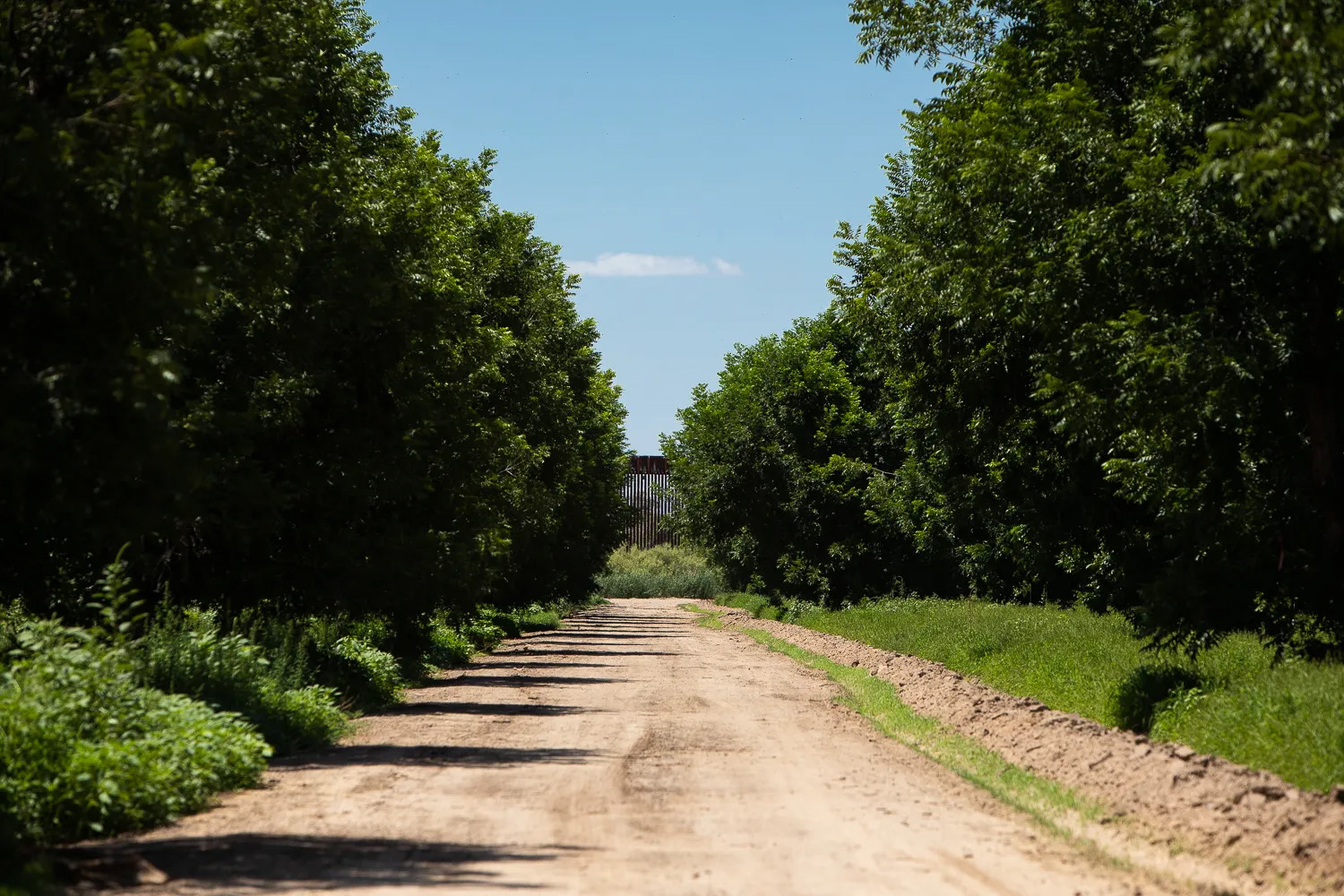
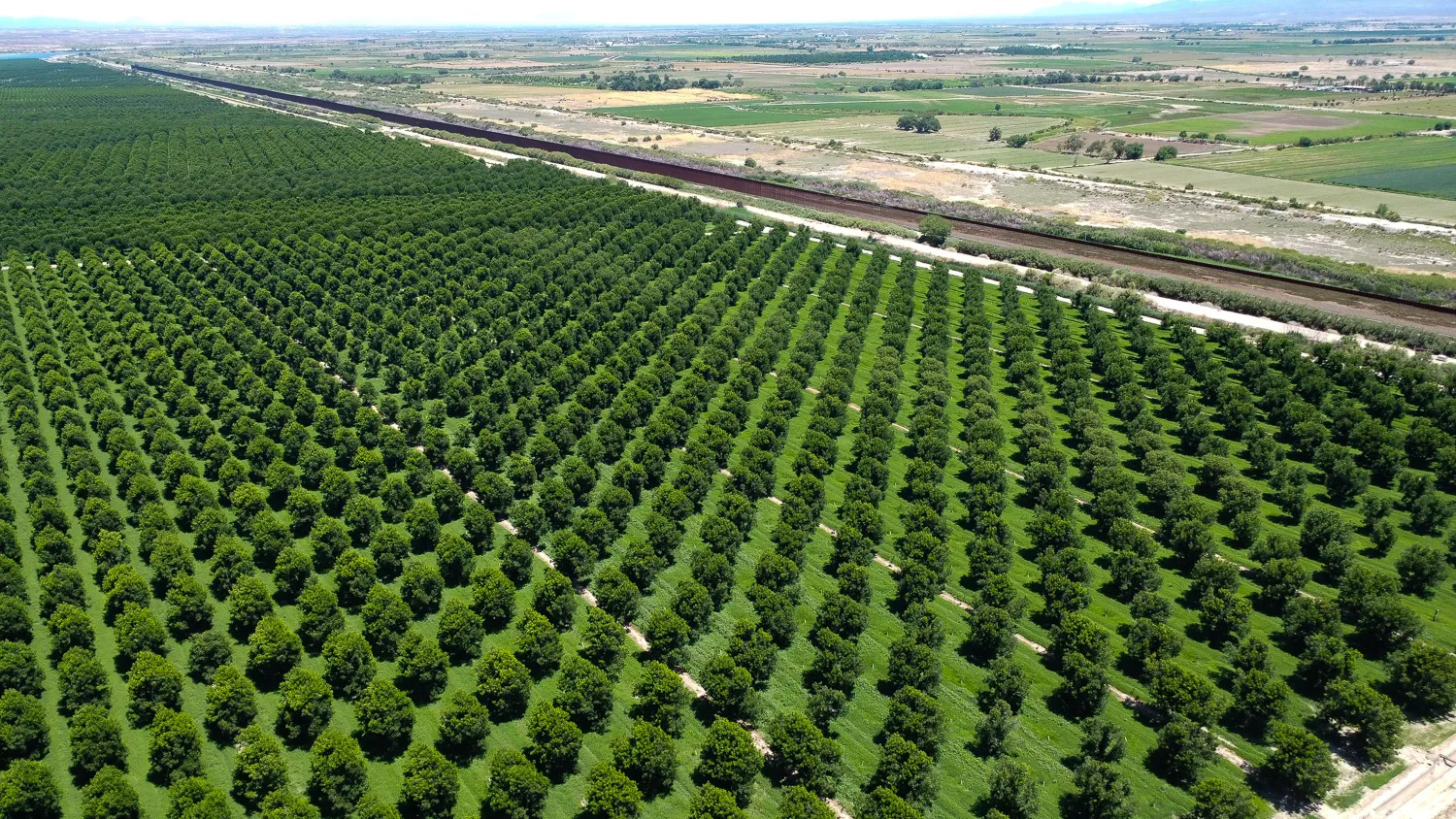
TORNILLO – Deep in El Paso’s Lower Valley, where tractors ride along the edges of roads and signs warn against would-be pecan thieves, Shannon Ivey’s pecan orchards cut an idyllic swath between the desert expanse to the north and the border wall to the south.

The fourth-generation farmer – whose many cousins and family members operate other farms throughout the area – is fluent in the complexities of growing pecans here, where the lush orchards emerge like an oasis. At what angles should you hedge your trees to maximize sunlight? How do you prevent weeds from overtaking seedlings? What will wholesale pecan prices look like later this year?

Pecan orchards cover just over 17,000 acres of land in El Paso County, and well over 30,000 acres in Doña Ana County, New Mexico, according to figures from the U.S. Department of Agriculture and the Texas A&M AgriLife Research Center. That makes this area one of the most prolific pecan-growing regions in the United States, which is only behind Mexico as the top pecan-producing nation in the world, USDA data show.
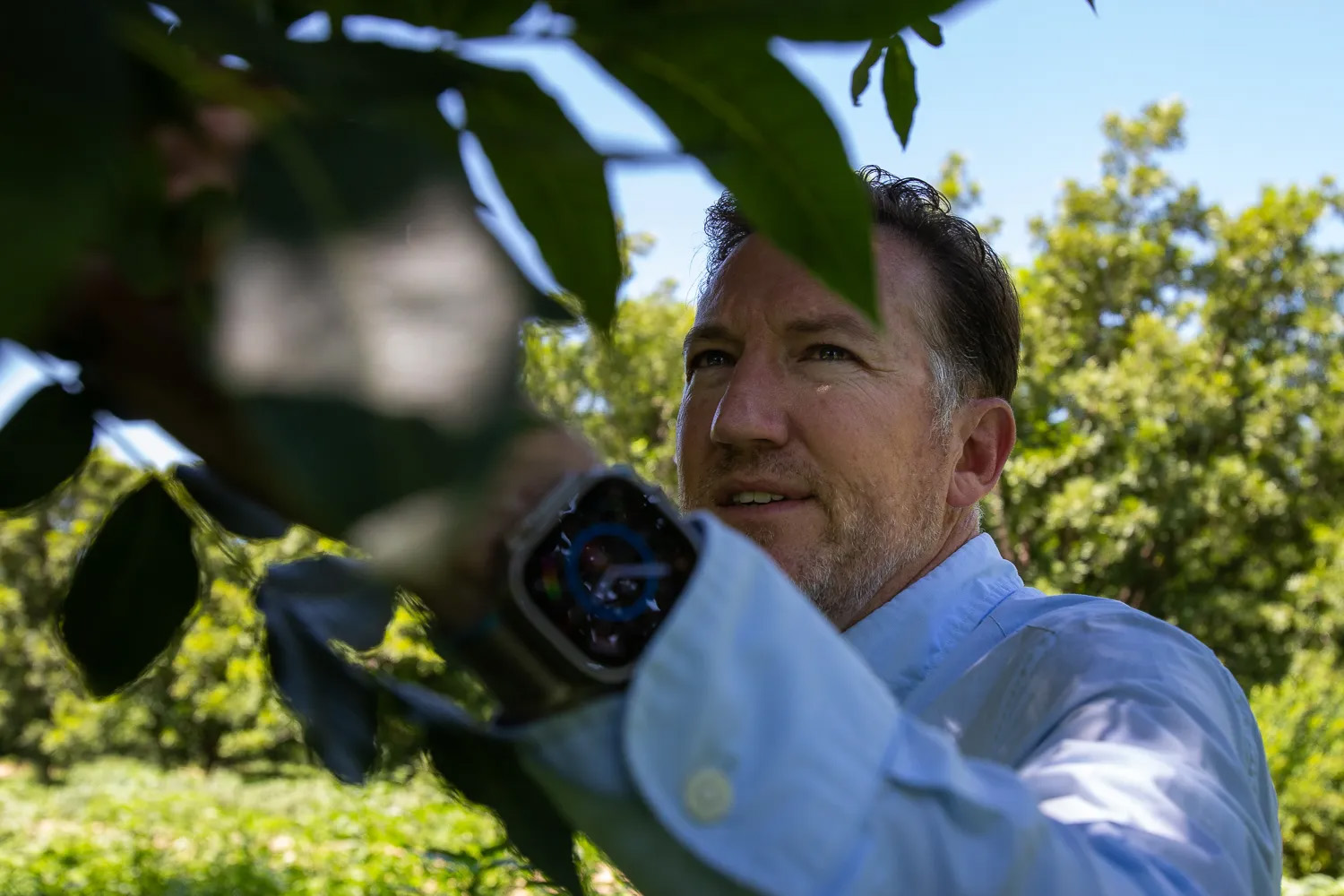
Corrie Boudreaux / El Paso Matters

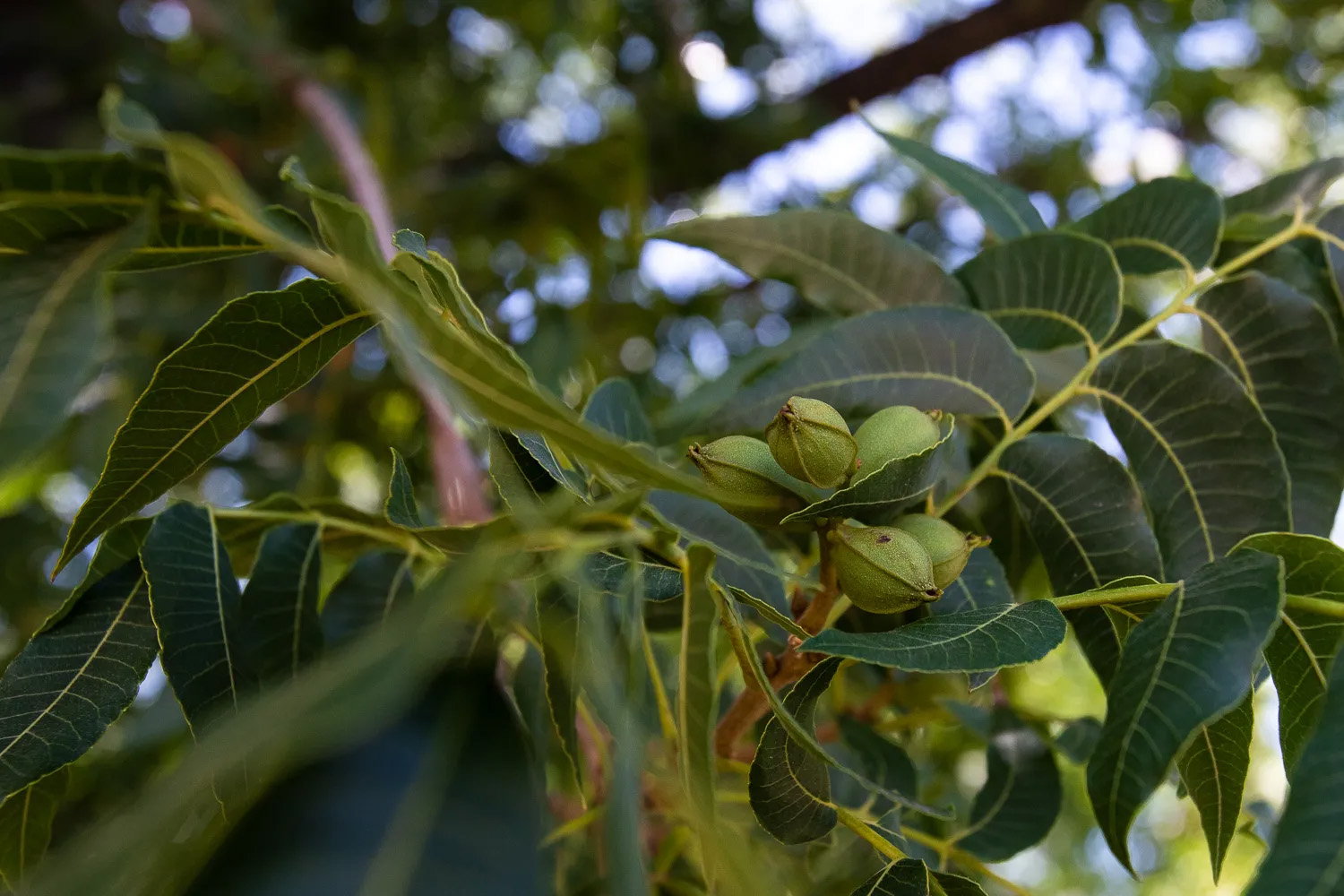
Shannon Ivey, a fourth-generation farmer, points out a green pecan husk on one of the trees in his orchard in Tornillo, July 9, 2025.

Corrie Boudreaux / El Paso Matters

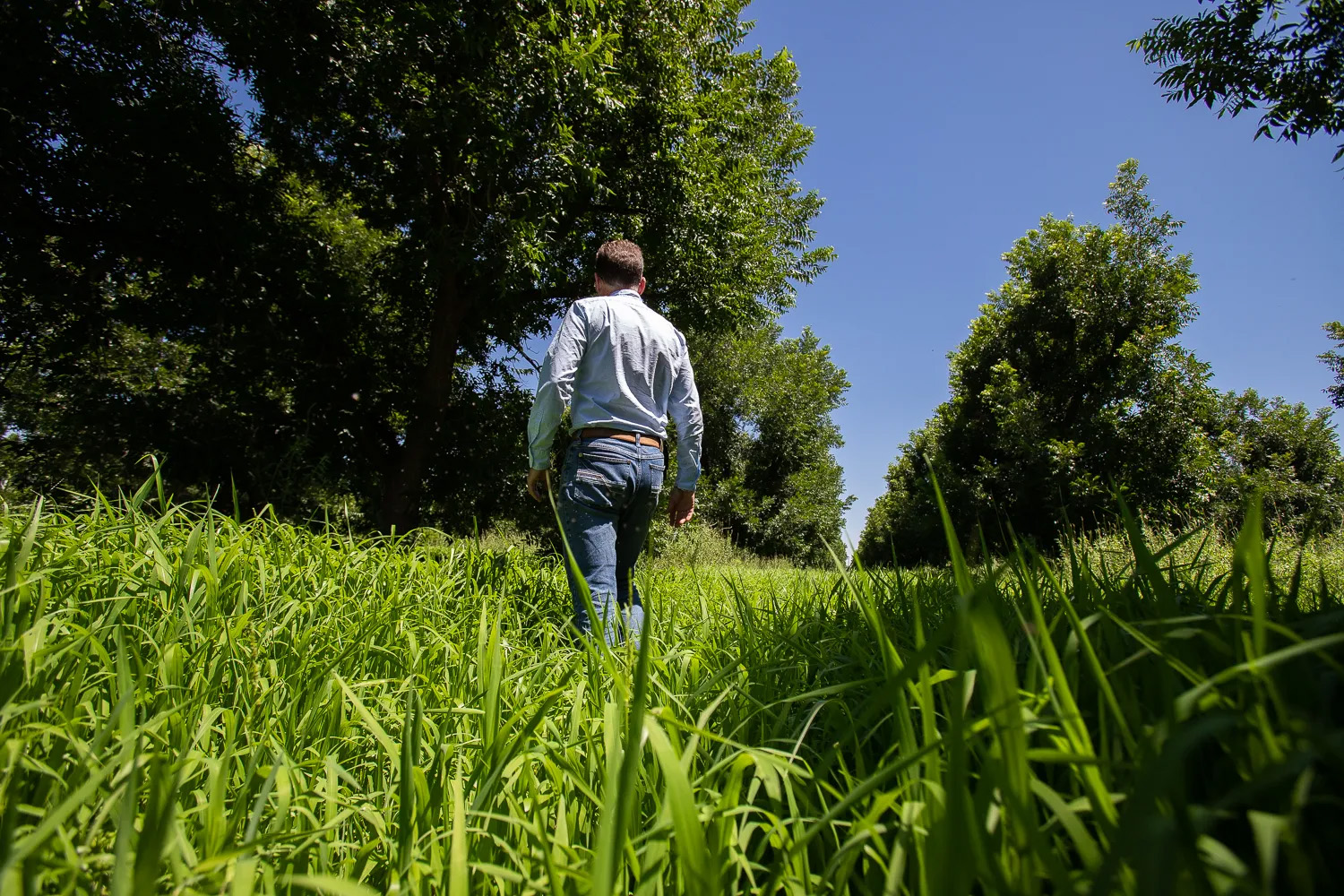
Shannon Ivey, a fourth-generation farmer, walks through tall grass and weeds among the rows of his pecan orchard in Tornillo, July 9, 2025. Ivey prefers to allow the thick ground cover to lower the soil temperature among the trees.

Corrie Boudreaux / El Paso Matters

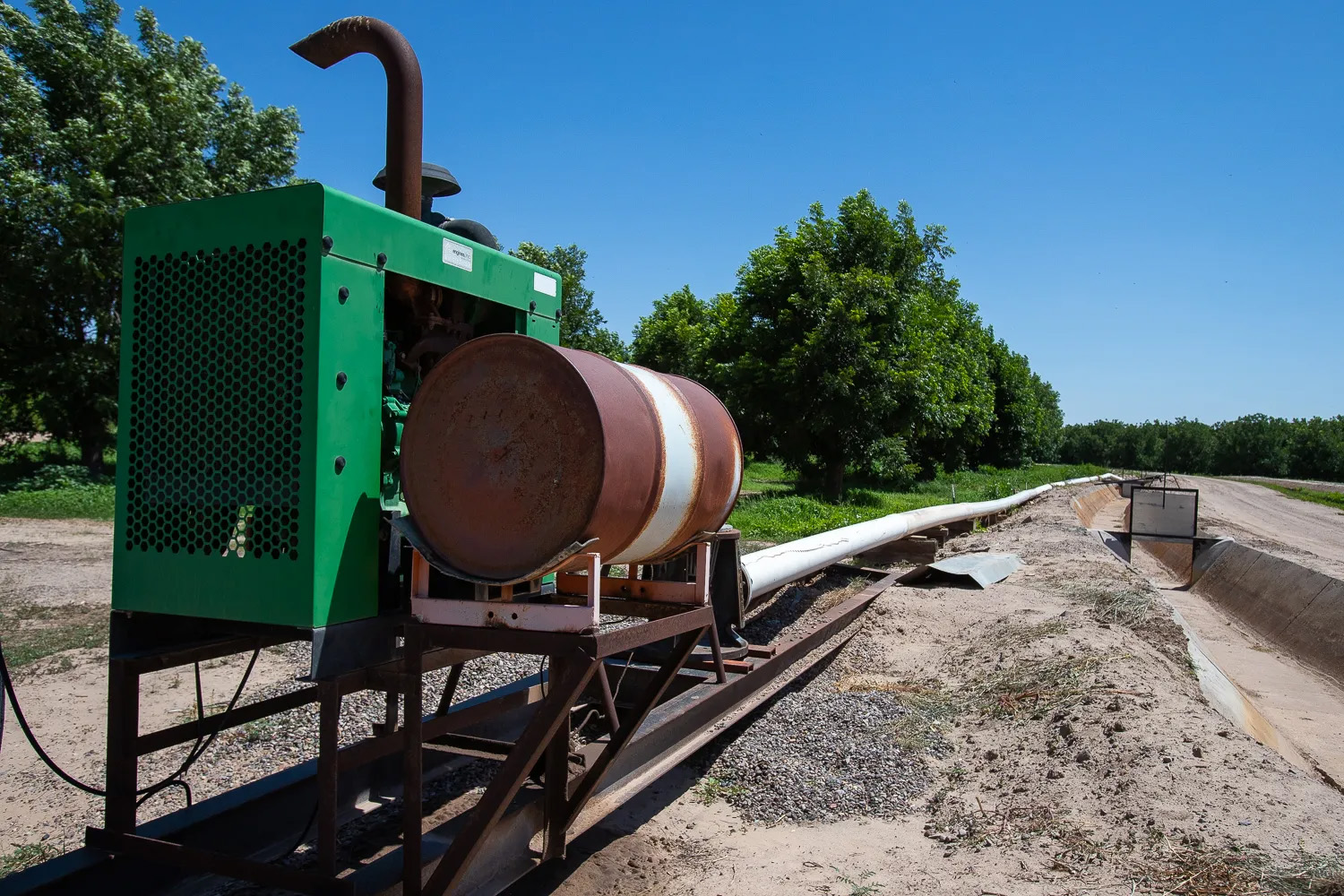
A well that draws water from 130 to 160 feet below the surface supplements the surface water that irrigates 600 acres of pecan trees on the Ivey farm, July 9, 2025.

Corrie Boudreaux / El Paso Matters

The Ivey pecan farm, now managed by the fourth generation of the Ivey family, lies adjacent to the U.S.-Mexico border near Tornillo, July 9, 2025.

From 2010 through 2017, pecan growers in Texas sold pecans for just over $2 per pound on average, according to USDA data. Since then, however, prices have averaged $1.70 per pound – a 16% decline.

“I have sold pecans at or below $2 a pound in-shell for seven of the last eight years,” Ivey said. “That is unsustainable.”

With prices relatively low, one option farmers have is to store their pecan crop in refrigerated storage warehouses, pay the storage fee and hope prices are higher within a few months.

Corrie Boudreaux / El Paso Matters

Inside their green husks, pecan nuts will develop throughout the summer and fall on the Ivey farm, July 9, 2025. The pecan harvest generally begins in November.

Beyond climate change and drought, farmers in the El Paso region are facing financial and environmental challenges stemming from the global economy and politics they have little control over.

“Today’s farmer, especially a small farmer like me, you better be on your game. You better know how to finance. You better know something about international economics. You better know about restructuring debt. You better know about working in the field,” Ulmer said. “It’s the hardest job in the world.”