The history of cowboys and the Wild West is much more complex than what pop culture has, in many ways, mythologized for decades. Part of that complexity is who actually were cowboys.
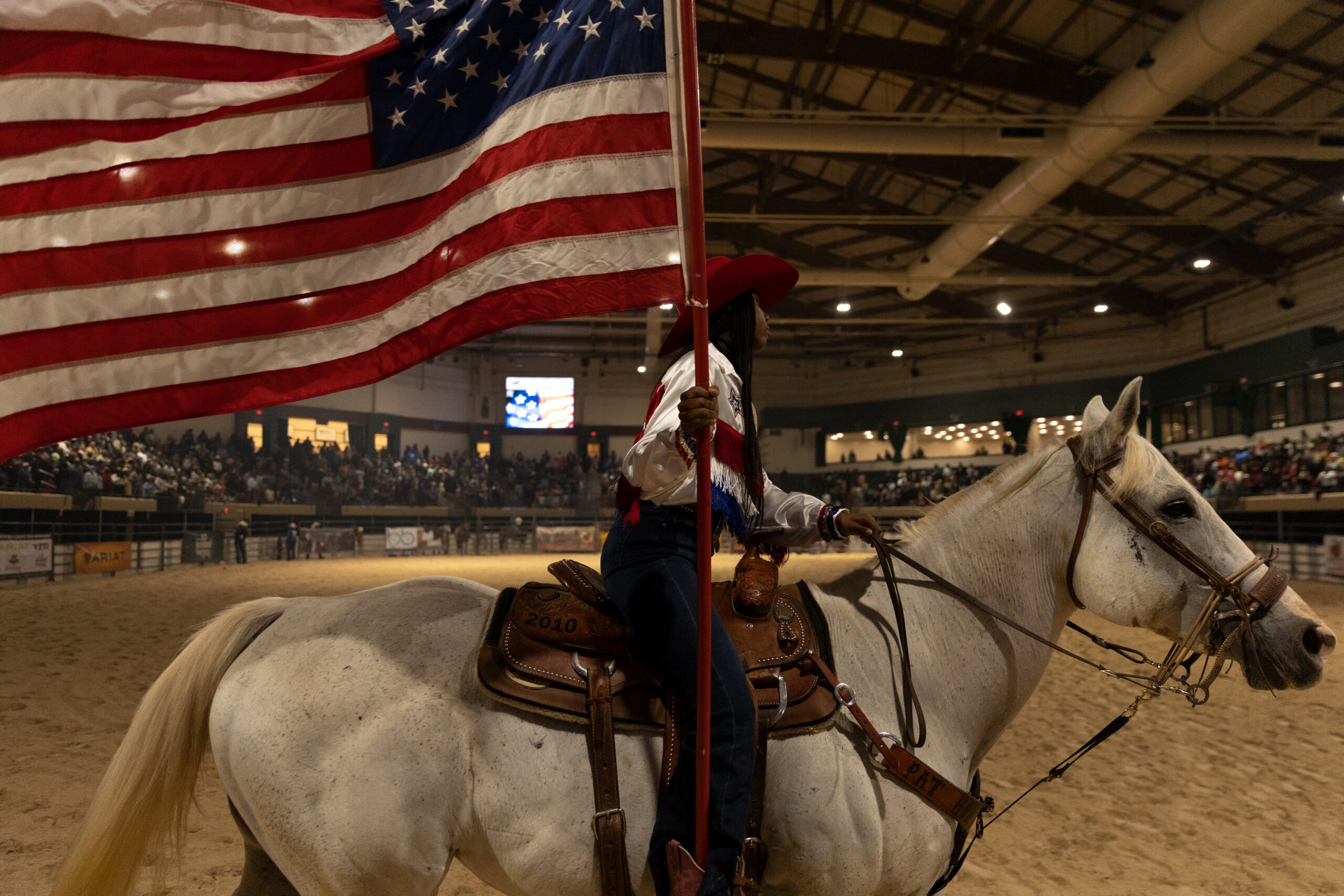
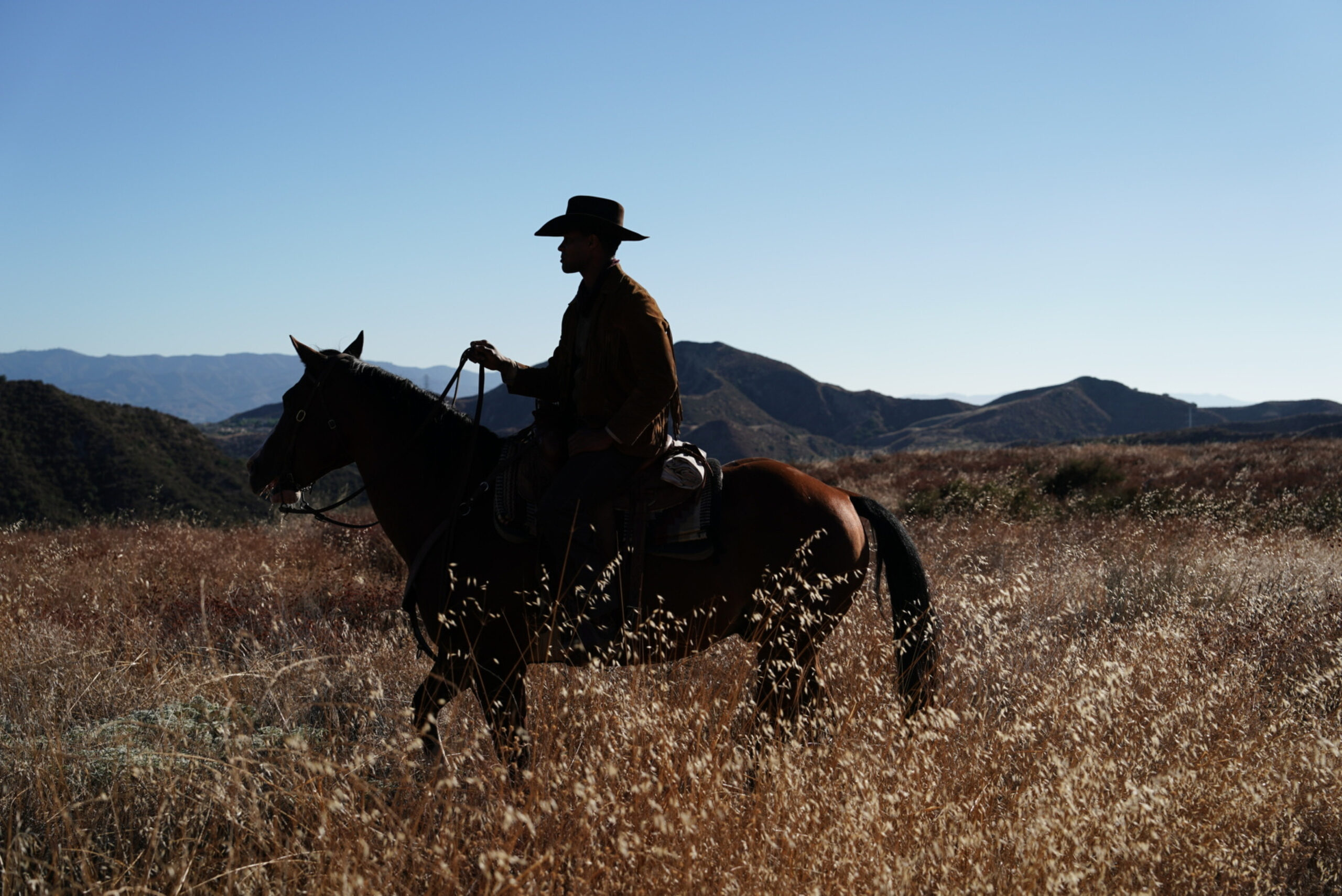
Take, for example, the long and rich tradition of Black cowboys, particularly here in Texas.
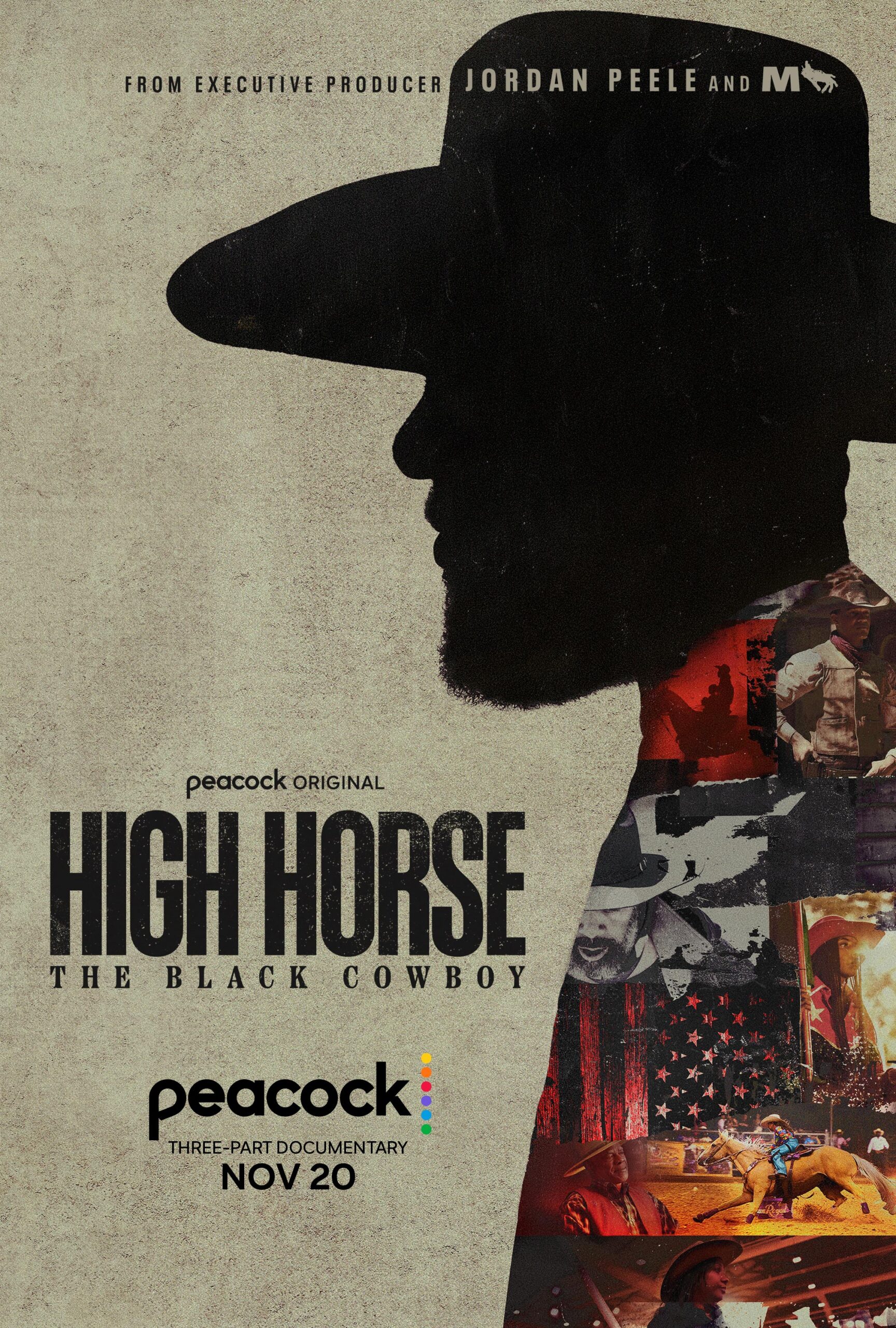
A new three-part documentary from filmmaker Jordan Peele’s Monkeypaw Productions is trying to bring that history to a wider audience. “High Horse: The Black Cowboy” premieres Thursday, Nov. 20, on Peacock.
Jason Perez, co-executive producer and director of the documentary, joined Texas Standard for a discussion. Listen to the interview above or read the transcript below.
 This transcript has been edited lightly for clarity:
Texas Standard: The image many people have of what a cowboy looks like is largely white and male has been informed, as I said, in many ways by popular culture. Could you talk just a little bit about why you and your fellow executive producer Jordan Peele wanted to push back against that narrative?
Jason Perez: Thank you. So it’s funny because in the series, you’ll see Jordan during his interview, he talks about being originally from New York – where I’m from as well – and not seeing images of Black cowboys, not only in his environment, but on television, there weren’t any images of cowboys, not in history books.
So he wanted to take that and kind of dismantle that and show America that the Black cowboy is actually the original cowboy. And also the Black cowboy is a part of America and the American fabric.
So it spawned from there, and then Monkeypaw, the executive producers over there, they took this seed and started to develop it. This, I guess journey, was new for them, very new for them, and new for everyone else who joined the team because a lot of us Black filmmakers did not know to the extent of the Black cowboys’ existence and what our history was in America.
So yeah, that’s how it started.
Well, and this goes beyond the cowboy in things like herding and ranch work, is that right?
Yes, yes. Obviously that is where the Black cowboys’ experience began, but we also talked about country music and how, you know, Black people have always been a part of country music.
We also talk about rodeo, the rodeo space, and how a lot of Black cowboys developed these competitions based on what we were actually doing on the farm, like herding and having to capture cows that escaped, things like that. And we also talk about farming.