President Donald Trump’s campaign promise of U.S. energy dominance is running into some crude realities, one of them rattling the oil markets on this Monday.
Matt Smith, energy analyst at Kpler, joined Texas Standard to break it all down. Listen to the interview above or read the transcript below.
This transcript has been edited lightly for clarity:
Texas Standard: That promise for U.S. Energy dominance is running into a flood of OPEC crude oil. Apparently, on Sunday, the Saudis [announced] they’re stepping on the gas – surging fuel production. What’s going on with OPEC?
Matt Smith: So yesterday, they announced another monthly production increase. So back in mid-2023, they made a voluntary cut across eight different countries and kingdoms there of 2.2 million barrels per day. And so what they’ve been doing since earlier this year is gradually bringing those barrels back to the market.
That said, it seems unlikely that these increases can be sustainable going forward here, just because we’re passing through the peak demand period of summer when you have a lot of demand for crude to run through refineries to produce gasoline for summer driving season.
But also on the supply side of the picture, we have a wave of non-OPEC supply coming to market from the likes of Guyana and Brazil and all others. So all prices are likely to drop in the coming months here.
So don’t expect these production increases to keep continuing. They’ll likely have to hit that pause button in the months ahead.
What does this mean for oil prices on the marketplace? If you flood the market with oil, doesn’t that tend to drive down the prices?
Yeah, exactly. What OPEC did was back in mid-2023, they took oil off the market to keep prices higher there, but all that did was incentivize production in these non-OPEC countries like I mentioned with Brazil, et cetera, but also in the U.S.
Now coming into the spring of this year, they were like, okay, well, prices aren’t as high as we want them to be. But we’re losing market share here. So what we need to do is start to push barrels back onto the market. If the market can take those and prices don’t swoon, that will give us some market share back there.
Okay, well then what does this mean for the U.S.? I was seeing some quarterly earnings out from some of the key producers – Exxon, Chevron – last week. As you read the tea leaves there, what’s that telling you?
Well, Chevron and Exxon are still doing really rather well. Actually, Exxons pumps more oil than it has done in any second quarter since, like, Mobil took them over 25 years ago.
Chevron’s just hit production at an all-time high, and so they’re pushing out a lot, but they are focusing on efficiencies there, and their profits did shrink.
But a bigger picture for these producers, they’ve been doing really well. But again, it’s focusing on efficiency as much as anything here.
» GET MORE NEWS FROM AROUND THE STATE: Sign up for Texas Standard’s weekly newsletters
Trying to save some money. Well here’s something interesting and I’m sure you must have seen this, too. According to Baker Hughes, the rig count has now dropped 13 out of the last 14 weeks. What’s that mean for “drill, baby, drill”?
It’s not good, right? So that rig count includes oil and gas rigs, but if you just strip out and look at the all-directed rigs, they’ve dropped 15% since beginning of May, something like that. And so even in the shale, in the Permian shale there at the Basin – which has been kind of the poster boy or girl for the U.S. shale revolution – that’s down 15% in terms of the rig count, too.
And so ultimately what this will do is likely result in stagnation at best. But if we do see all prices drop by $5 to $10, we’ll see that’s dropping prices below the breakevens of some producers and they will halt operating.
So we could see prices gradually dropping from here on out. And that will only accelerate if we see oil prices really dropping here because that production drop will accelerate.
So what does that mean? Good for consumers, good for folks who use gasoline, not so good for the industry?
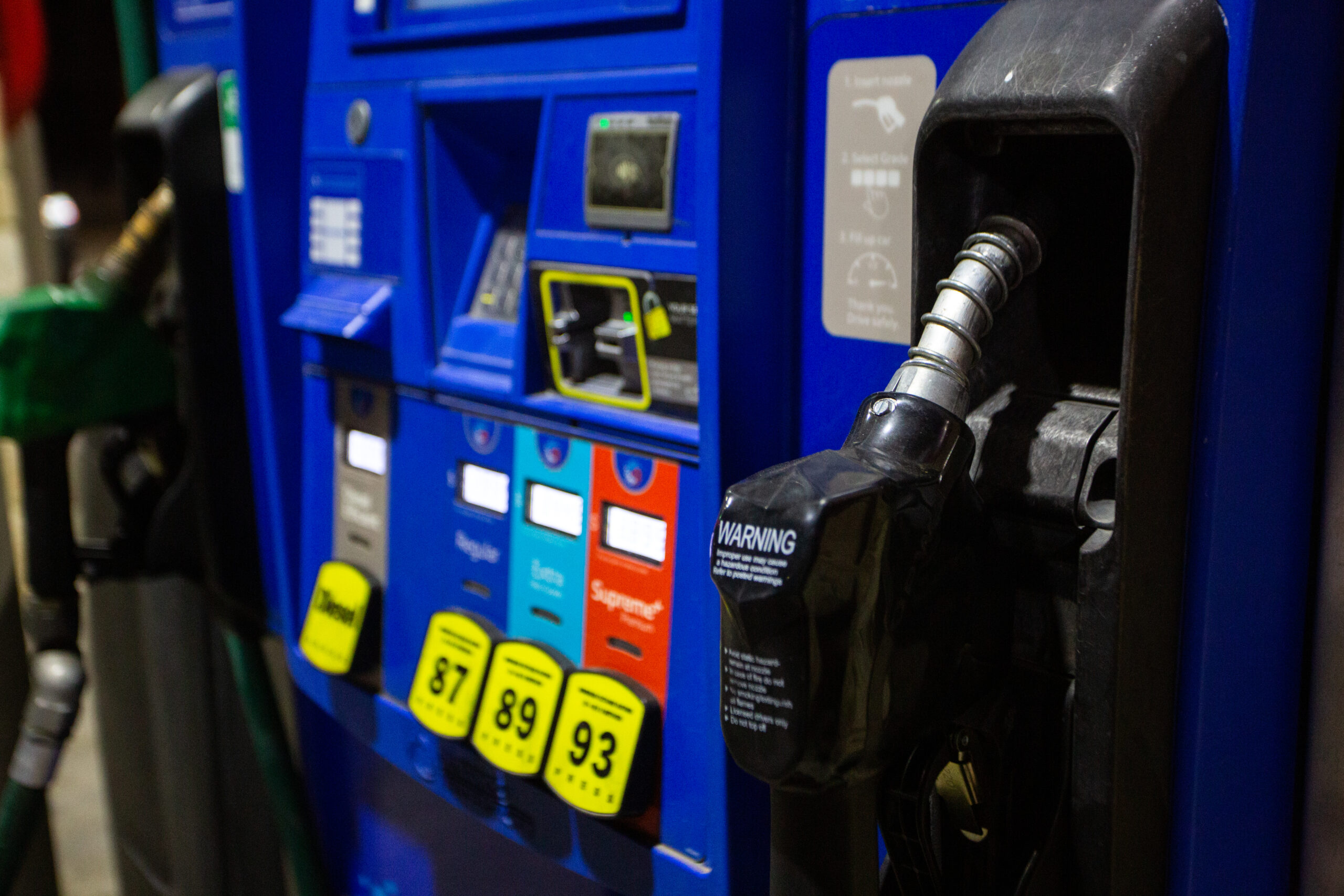
Yeah, it’s not so good for the industry, but if we do see a drop of $5 to $10 for the oil price there per barrel, that will result in lower prices at the pump.
So it’s always that kind of seesaw effect, where it’s good for the consumer, bad for the producer, or vice versa. So at least there’s the silver lining of that for consumers.
I guess fair to say Russia is the biggest wild card right now when we try to project what’s going to be happening in the next few weeks or months.
Absolutely, yeah. So if President Trump follows through on his threat of secondary sanctions there, then that could really bring oil off of the market and spike prices.
But that’s in complete contrast to what he really wants. He wants to have prices low at the pump and to do that, you need lower oil prices. And so what happens with Russia is going to be key to watch with them and India over the next week.