Protein is having a moment.
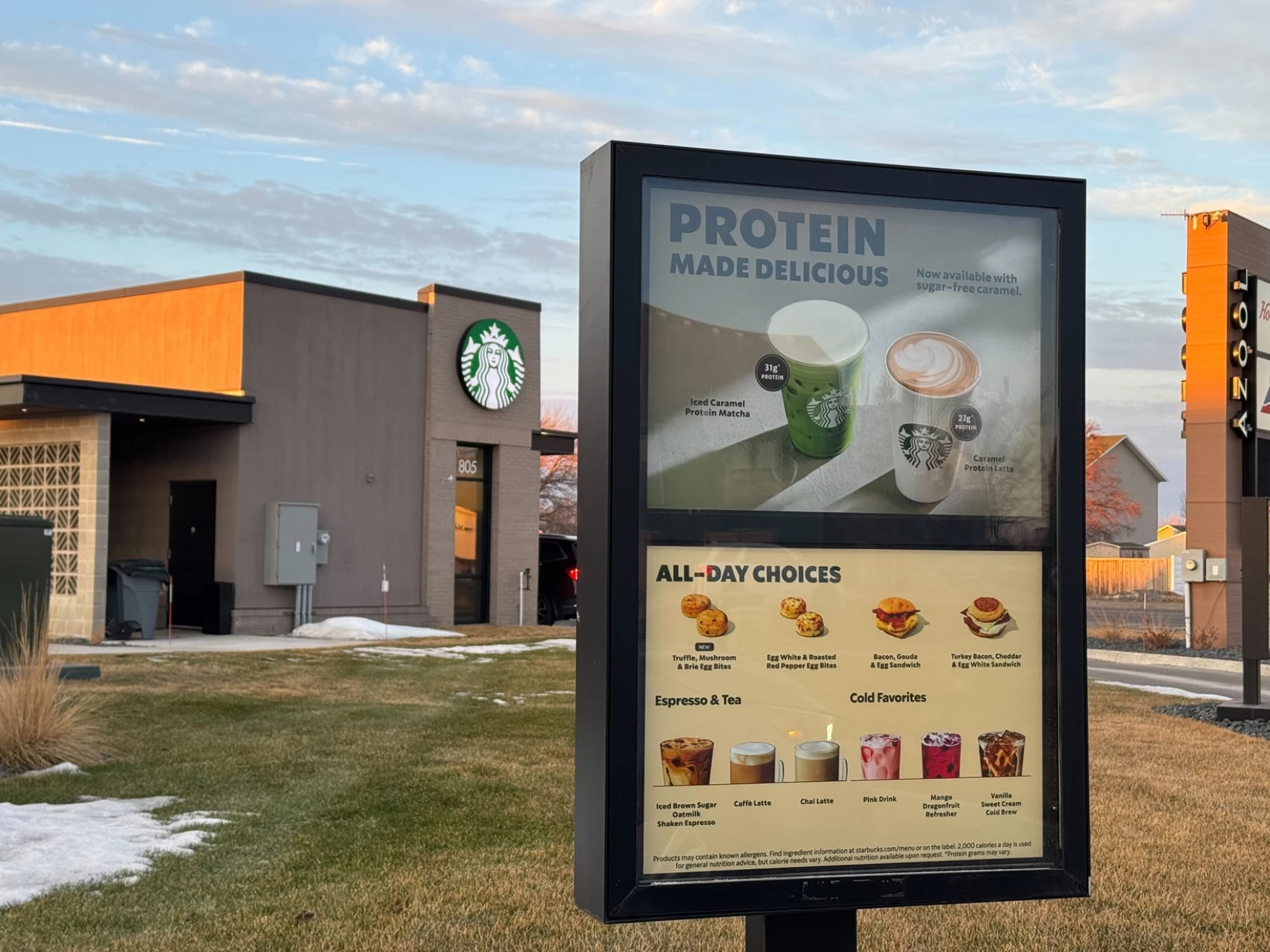
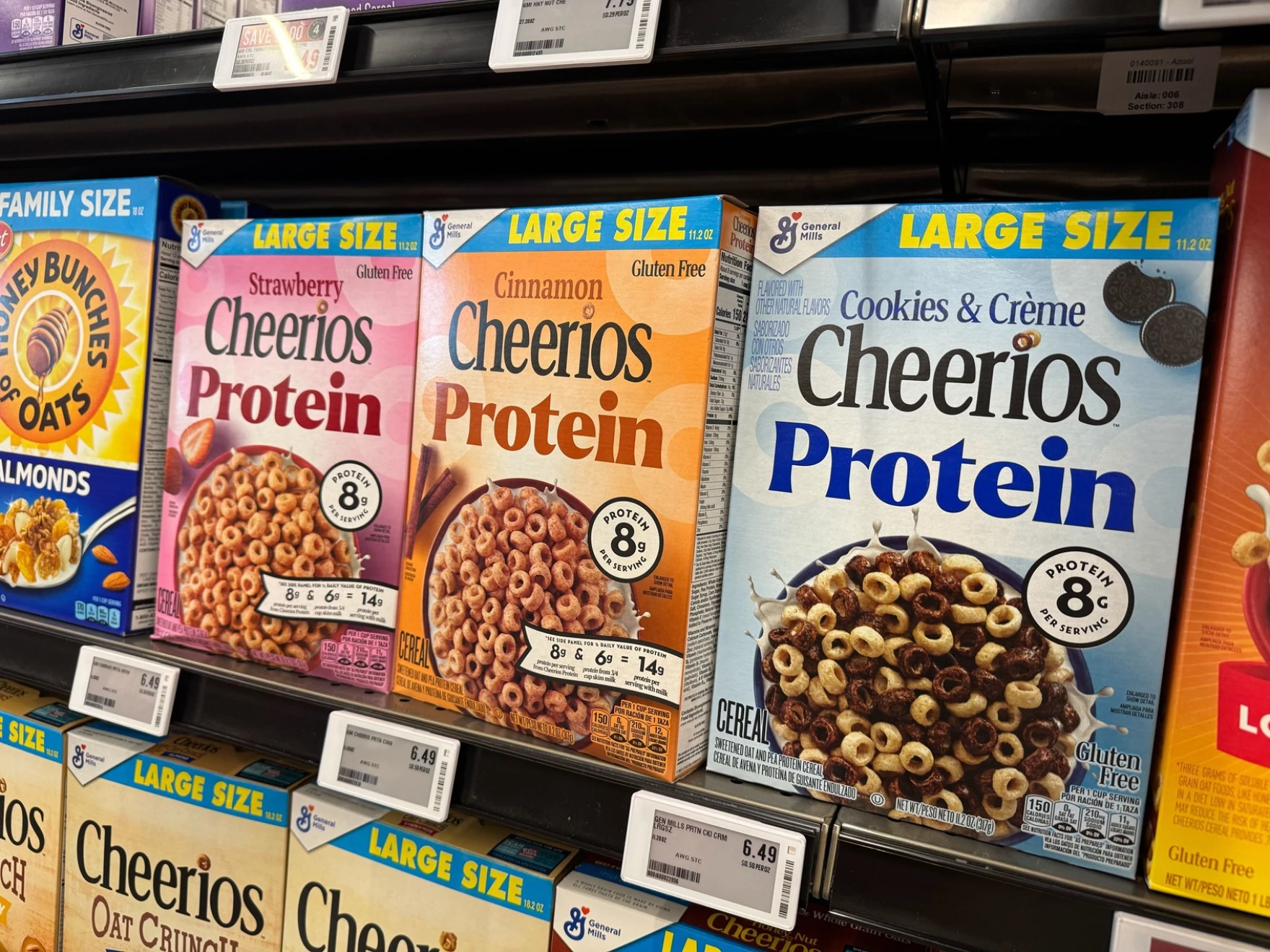
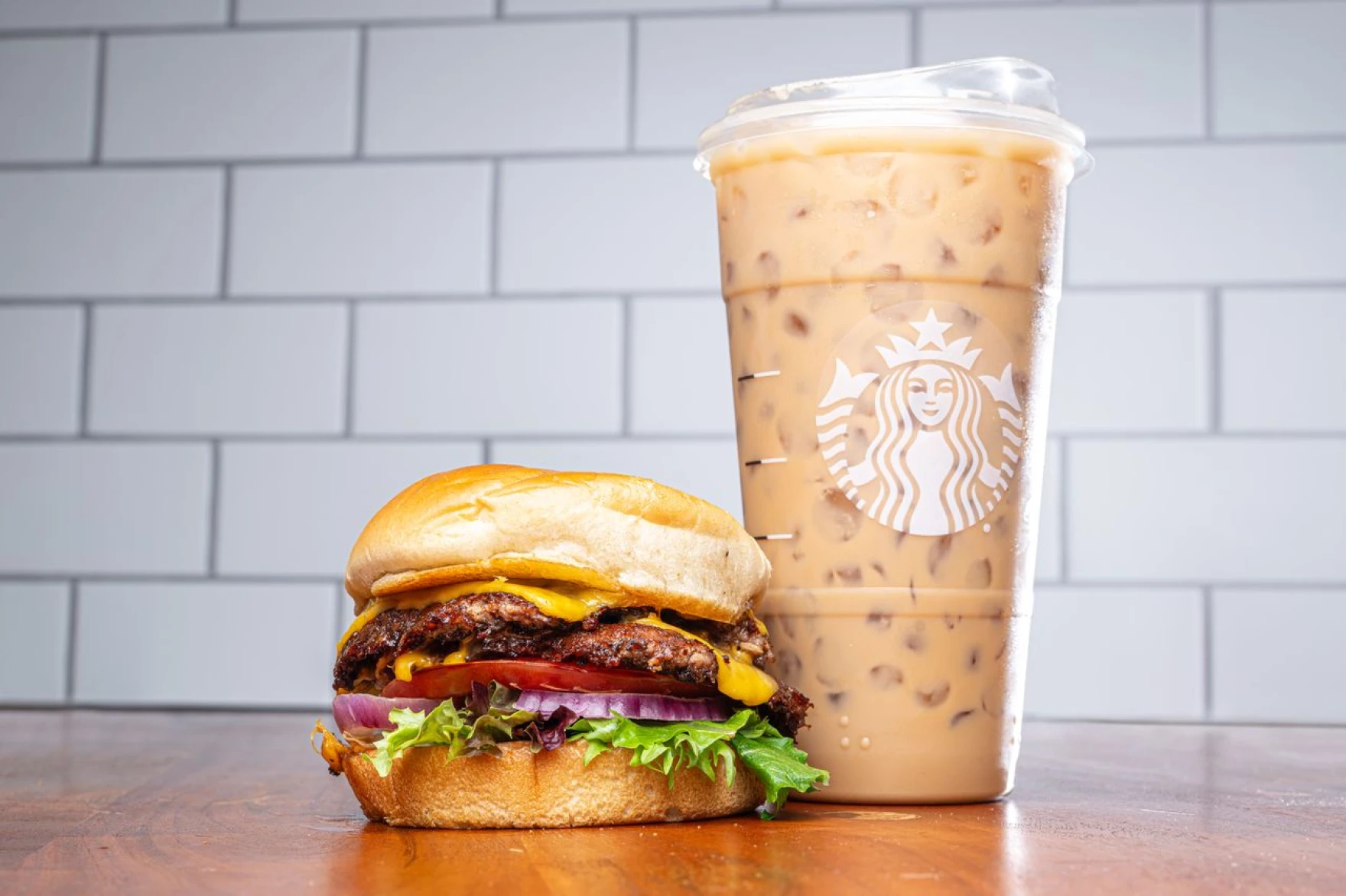
Fast food chains are rolling out a dizzying array of new protein-packed products. Starbucks introduced a latte last year that has as much protein as two quarter-pound hamburgers, while Chipotle now offers a special high-protein menu. And it’s not just fast food; grocery stores are also stocking protein-enhanced products, from breakfast waffles to cereal spin-offs.
They’re hoping to capture the attention — and dollars — of American consumers with a growing appetite for protein.
A recent International Food Information Council survey found 7 in 10 Americans say they’re trying to include protein in their diets — an increase compared to previous years. And protein’s popularity doesn’t seem to be slowing anytime soon.
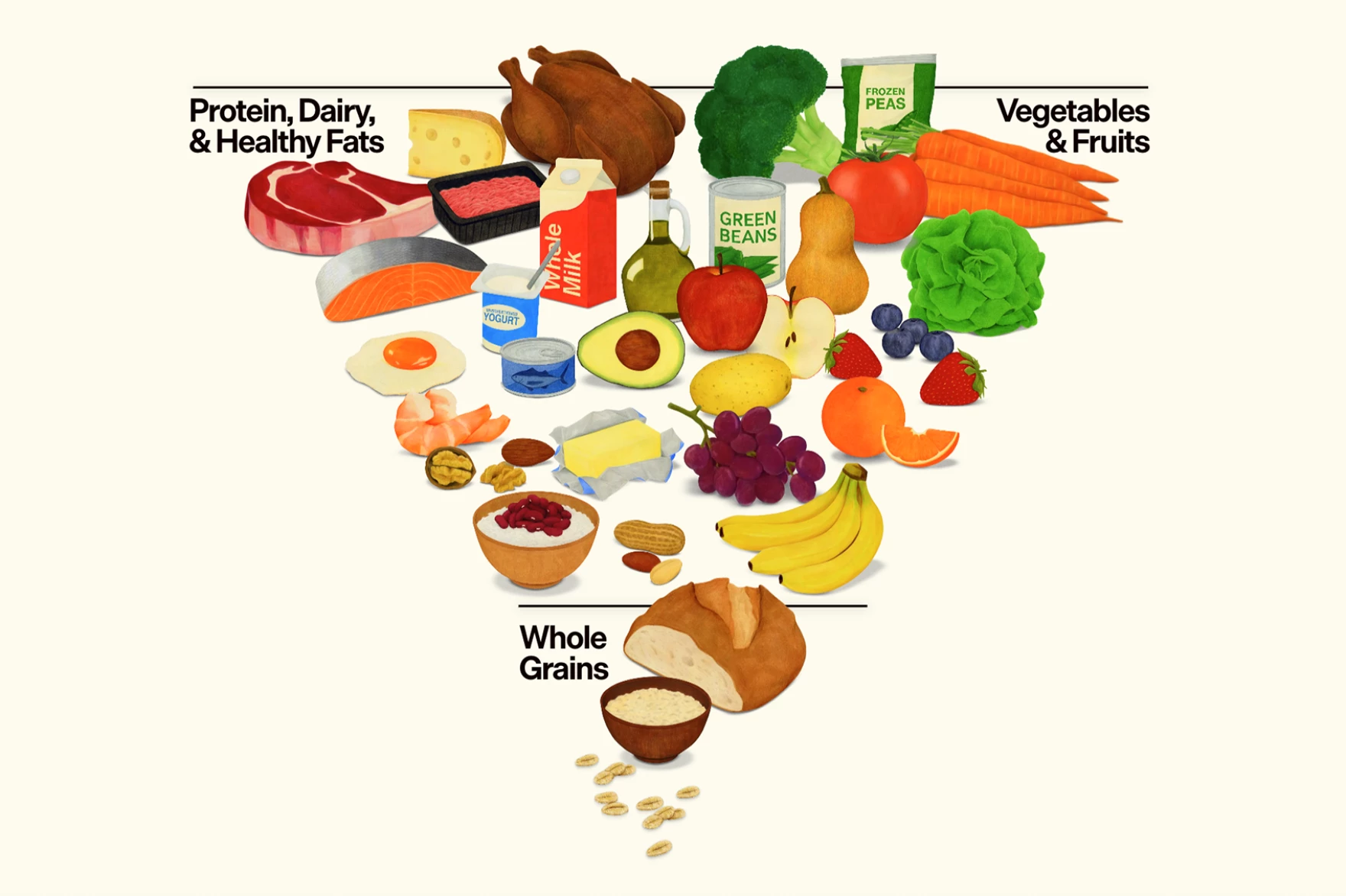
The U.S. Department of Health and Human Services, along with the Department of Agriculture, unveiled new dietary guidelines in January, urging Americans to prioritize protein at every meal. A joint statement from the two departments said the move is part of a reset in dietary guidelines to put “real food back at the center of the American diet.”
The new guidelines increased the recommended daily protein intake from 0.8 grams per kilogram of body weight to 1.2 to 1.6 grams.
At a media conference announcing the changes, Food and Drug Administration Commissioner Marty Makary said the changes are “based on science, not on dogma.”
“The old protein guidelines were to prevent starvation and withering away,” Makary said. “These new protein guidelines are designed for American kids to thrive.”
Nutrition experts across the country, though, have mixed feelings about the new emphasis on protein.