Today marks 31 years since the death of Tejano superstar Selena Quintanilla-Pérez.
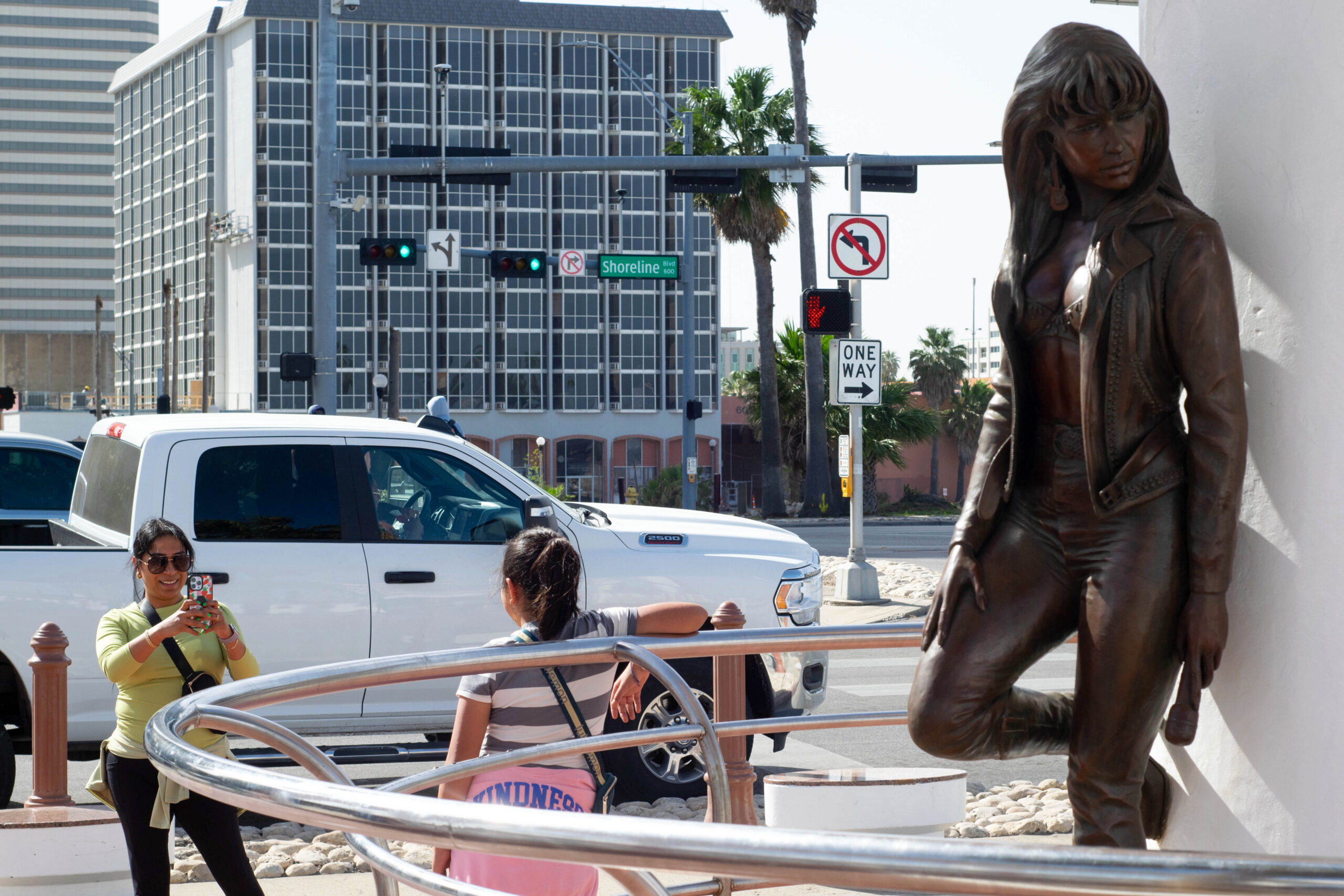
There’s no shortage of ways that fans continue to memorialize the singer, even after these three decades. Now, a new book from the University of Texas Press looks to dive deeper into that legacy.
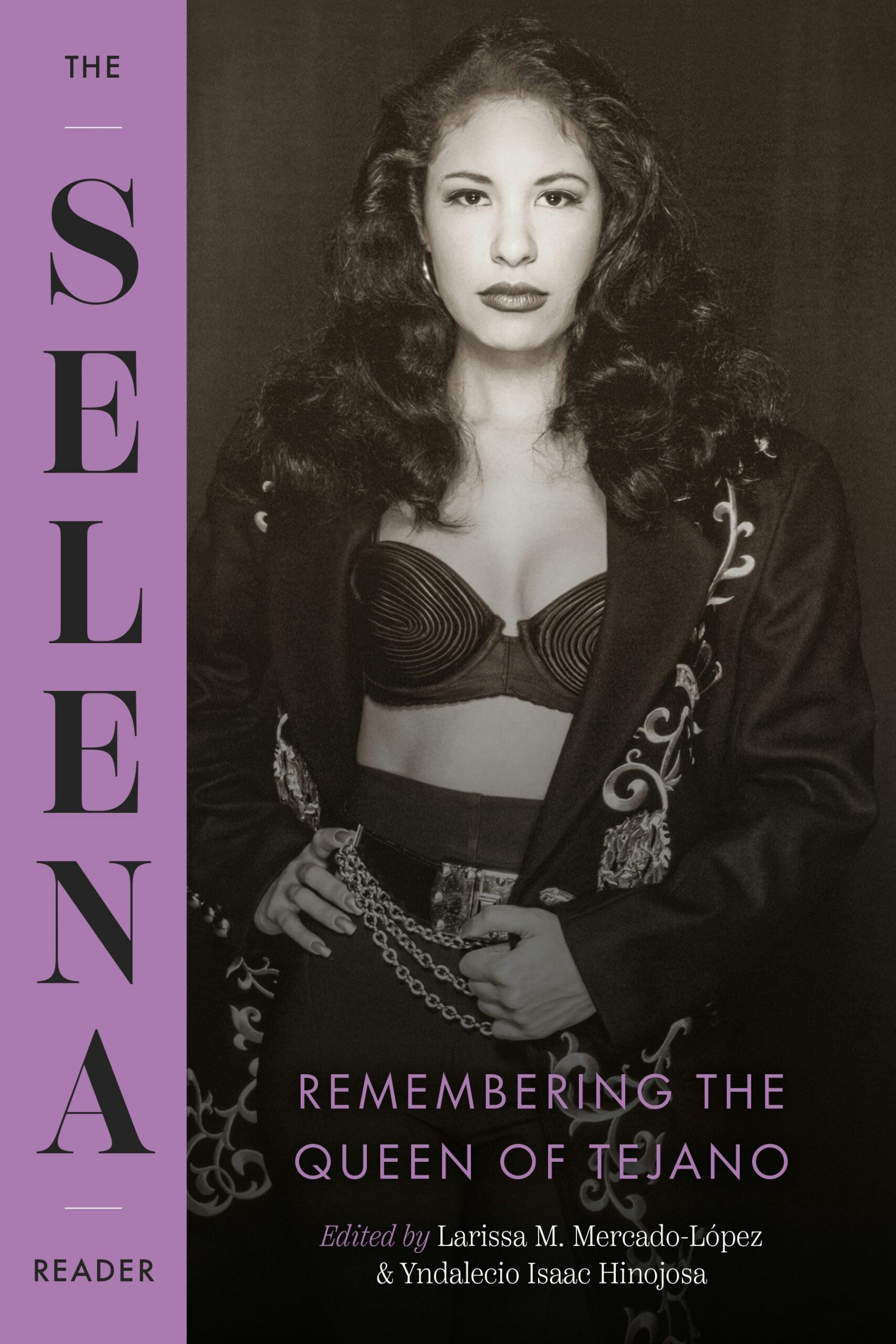
“The Selena Reader: Remembering the Queen of Tejano” is a collection of creative and scholarly works from a wide array of Selena’s admirers.
The collection was compiled and edited by Larissa M. Mercado-López, professor of women’s, gender and sexuality studies at California State University–Fresno and Yndalecio Isaac Hinojosa, associate professor of English at Texas A&M University–Corpus Christi.
Mercado-López joined the Standard to discuss the new collection. Listen to the interview in the player above or read the transcript below.
This transcript has been edited lightly for clarity:
Courtesy of University of Texas Press
Texas Standard: You know, I imagine assembling a collection like this about a superstar like Selena is certainly scholarly work, but also a bit of a passion project. Would I be too far off the mark?
Larissa M. Mercado-López: Not too far off the mark at all. Selena meant a lot to me growing up. She meant a a lot to my co-editor, um, Dr. Yndalecio Isaac Hinojosa.
We’re both from the Corpus Christi area. We both vividly remember Selena before and after her death. And we were just incredibly inspired by her.
Did you grow up listening to Selena’s music?
I did. You know, she was very much in the background of my life, the background of the Mexican-American community life. Her presence was pretty ubiquitous, but not something that I think I paid a whole lot of attention to — especially, you know, not as much as after her death.
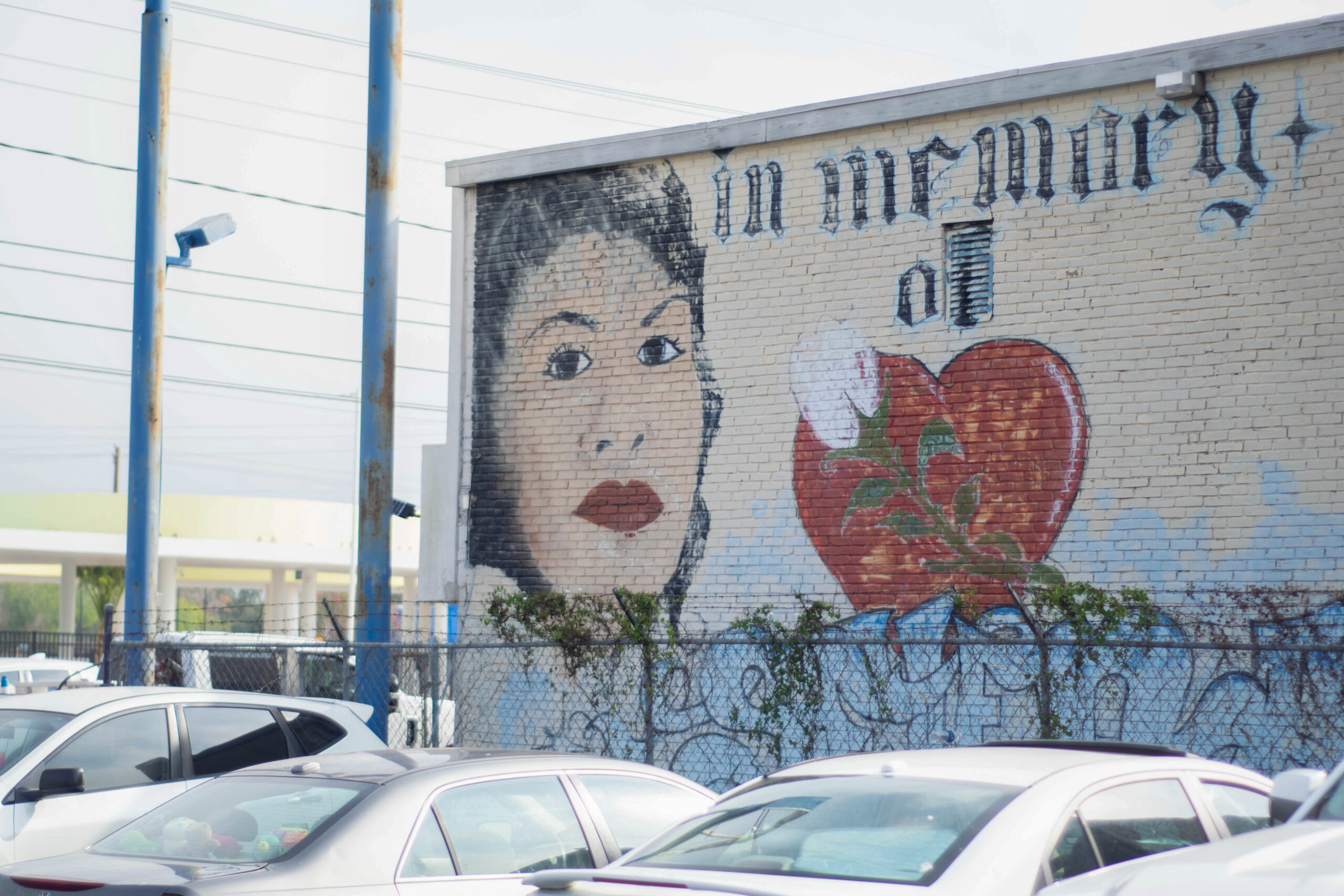
I was thinking about the many ways that Selena’s fans have kept her legacy going — you know, you think of the murals, the statues, the tribute concerts and remembrance… But here we’re talking about a different form in examining her legacy.
This is a collection of essays and scholarship around what she did. What inspired you to take this route?
Yeah, you know, and I like that you start out by talking about the different types of memorials and how this collection might be a little different, because I actually consider it to be part of that larger kind of memorialization. I think of it as kind of a literary roadside memorial.
But I think what inspired it was the fact that we knew we were having conversations about her in academia. She inspired us to go into academia — not so much because of her setting an example of education, but because she showed us the possibility of what we could do.
And so we knew that others were talking about her, that others were influenced by her as well. We knew that she functioned more largely in our community than we were having conversations about.
So we wanted to be able to bring together folks from different disciplines to talk about what that looks like — what she has meant not only to them, but also within their disciplines.
» RELATED: New exhibit looks to capture the meaning of ‘The Selena Effect’
You know, her music was so deeply personal. It remains deeply personal to so many people. Then you often think about that as a subjective experience.
Can you give us an example of the kind of scholarship, the kind academic work that you’ve been able to sort of gather here and collect? What sort of stories and essays would someone find in “The Selena Reader”?
Yeah, so the contributions, they’re a mix of fiction, scholarly essays, poetry… They cover a broad range of methodological approaches to the study of Selena.
Several of them are theorizing from a place of self-storytelling. And quite a few of the contributors are mostly self-identified academics that are exploring the impact that Selena had on their own identity formation.
And we have three sections that focus on different kind of aspects of those emergent themes. So we have expressions and embodiments of Selena, public remembrances of Selena and then what scholar Sonya Alemán refers to as Selena stories and pedagogies.
And so we see folks talking about expressions of queerness, analyzes of the mapping of her memory through public landscapes. We see how she’s functioned within families to teach daughters how to navigate being Chicanas or Latinas in mainstream society.
So there’s a real mix of perspectives that are informed by various disciplines.