As Texas parents prepare to send their kids back to school, many are rushing to get up-to-date vaccine records. Some, however, are submitting vaccine exemption forms – and state lawmakers recently passed a bill that makes that easier.
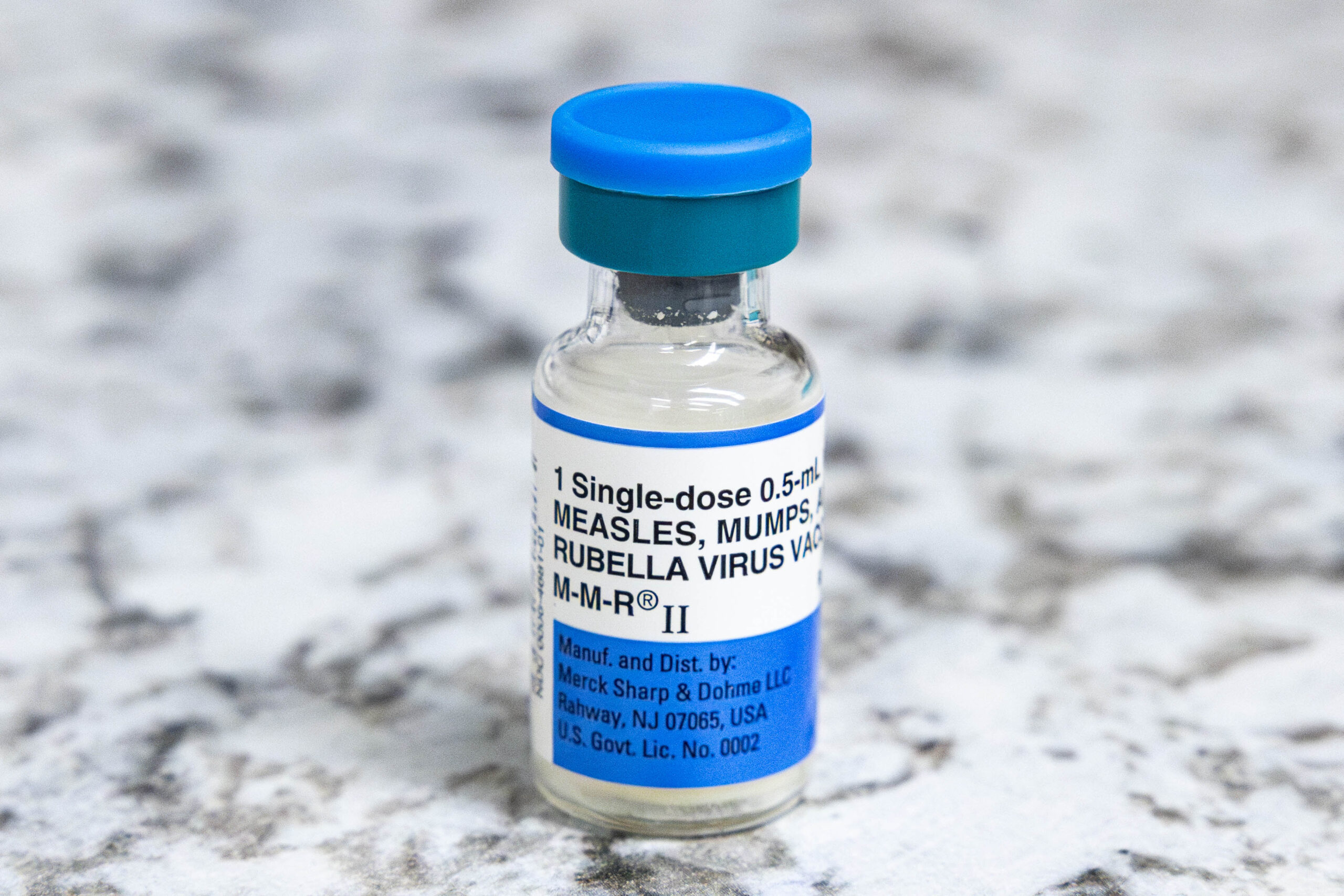
In Texas and in the U.S., an overwhelming majority of children are vaccinated, said Emily Brindley, health reporter with The Dallas Morning News. In the last school year, for example, over 90% of Texas children had received the measles, mumps and rubella (MMR) vaccine.
“But there is a vocal minority of folks who are against vaccines or in favor of what they call the medical freedom movement,” Brindley said. “One of the primary goals of that movement is to unwind some of this vaccine policy that has been in place for decades. And in Texas, they do have a strong voice in politics.”
The anti-vaccine movement, which is gaining power at the federal level with vocal support from Health Secretary Robert F. Kennedy Jr., has strong roots in the Lone Star State.
Brindley traces the growing strength of the anti-vaccine movement to the COVID pandemic and the vocal backlash against public health measures from many in Texas and across the country.
Kennedy, who previously ran for president as an independent, capitalized on the movement’s momentum coming out of the pandemic. As a candidate and now cabinet member, he has lent a more prominent voice to a movement once seen as fringe.
» GET MORE NEWS FROM AROUND THE STATE: Sign up for Texas Standard’s weekly newsletters
But even the health secretary has little power over vaccine requirements. That is up to the states.
“Medical freedom folks have been in Austin for at least a decade, but over the past few years, their voices have grown quite significantly,” Brindley said. “The secretary does not make vaccine policy for the country. That’s up to individual states. And so that’s why these medical freedom folks in Texas have such a big voice and why it matters so much.”
Public health experts are concerned that declining vaccination rates will lead to outbreaks that could be prevented by vaccines. Measles is often the first such outbreak because it is so contagious.
But the measles outbreak in a West Texas Mennonite community that made national headlines this year has done little to dampen the enthusiasm of vaccine skeptics in the state.
Some vaccine skeptics do not believe in the efficacy of vaccines at all, Brindley said, while others “place a higher value on personal liberty and people’s ability to make their own individual medical choices than they do on some of these public health consequences.”
Lower vaccination rates can break the herd immunity that vaccines rely on to prevent outbreaks. Herd immunity against measles requires around 95% vaccination. In some Texas communities, vaccination of children in Texas has dipped well below that number.
“It only takes 5% of people, or in a school setting 5% of children, not being vaccinated for that community to be at risk of an outbreak,” Brindley said. “And in Texas, across the state, kindergartners in this past year did not have 95% vaccination rates. I believe it was around 93%.”