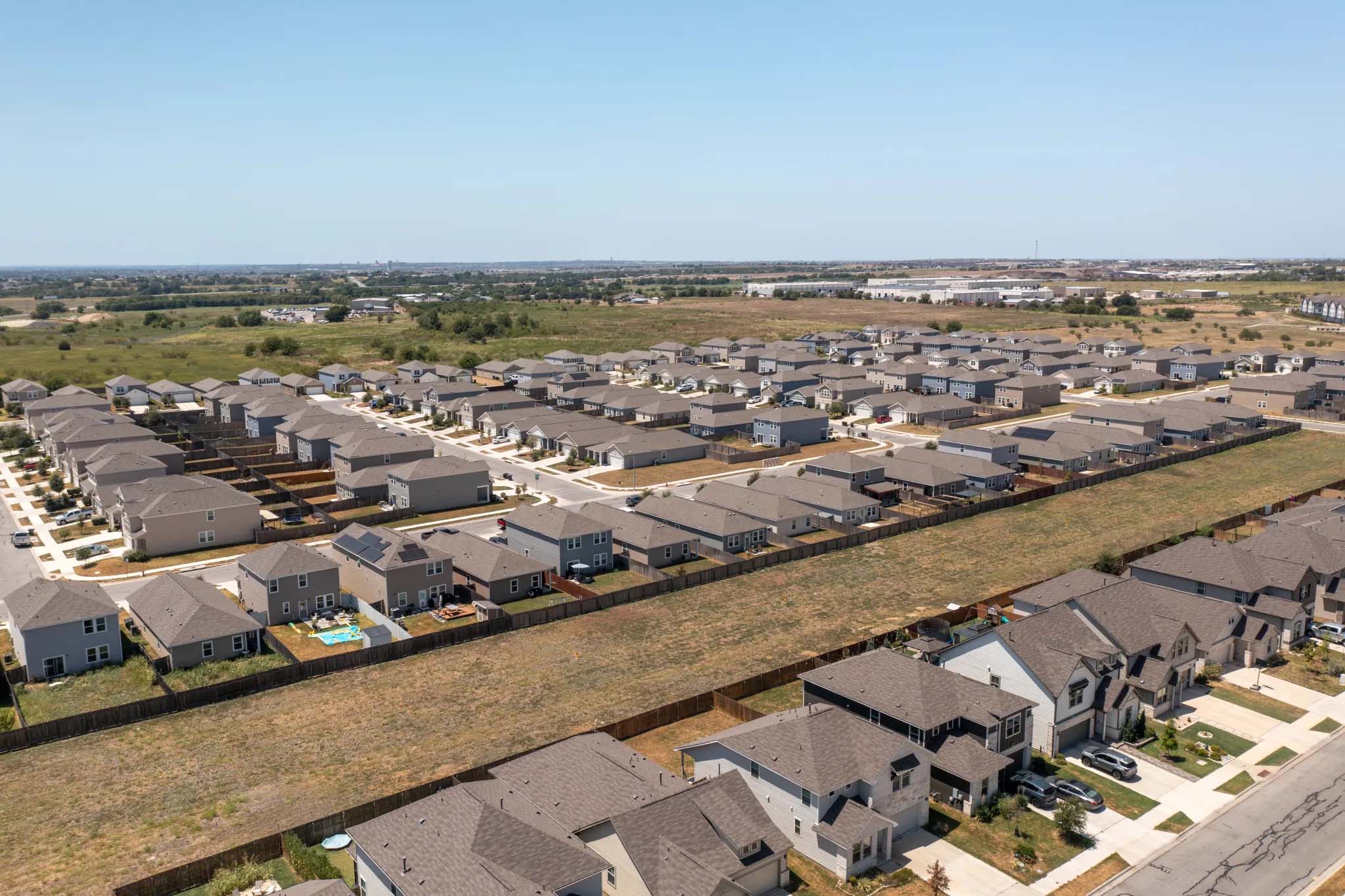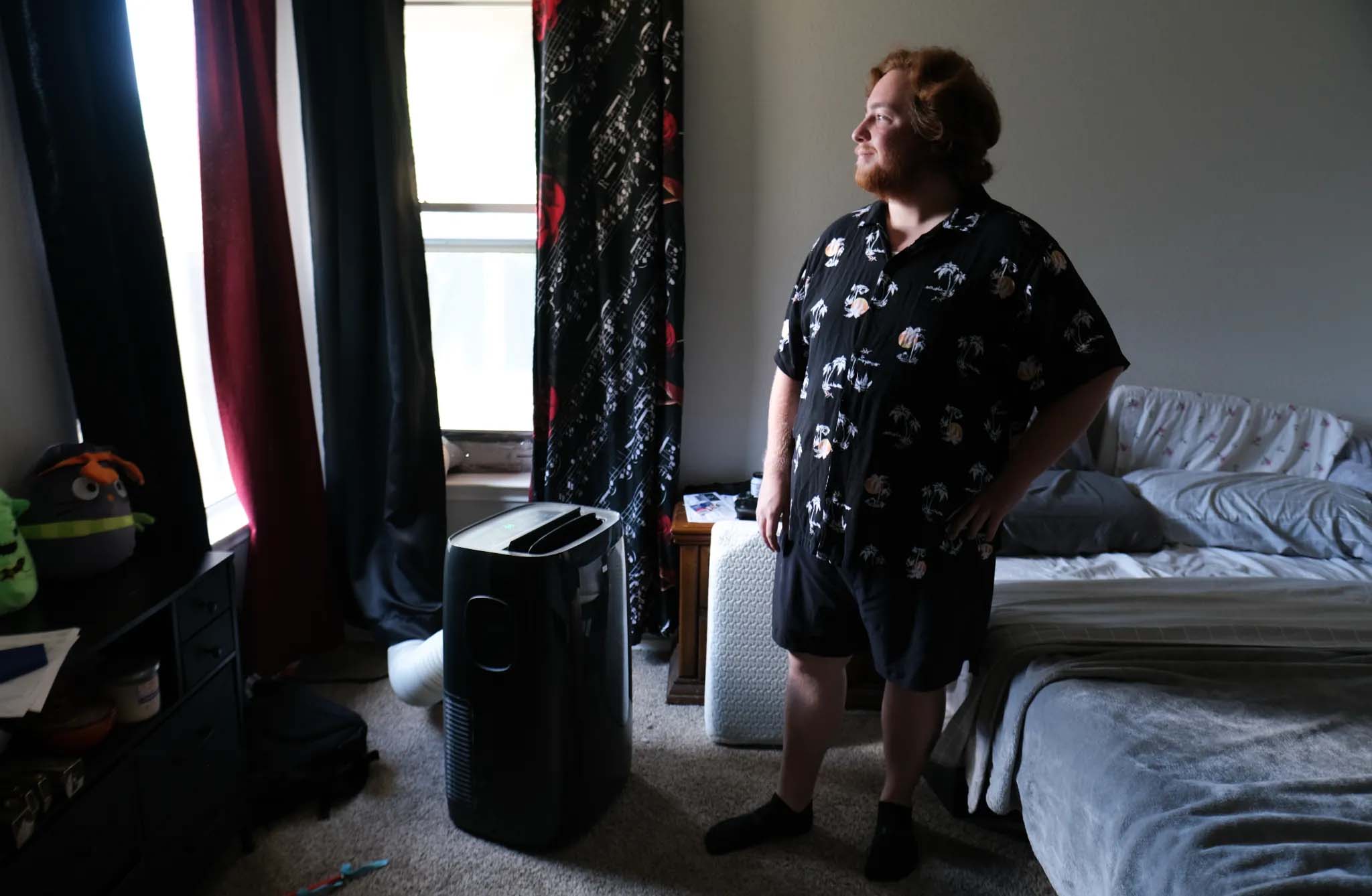
HUTTO, Texas — When Alek Micklethwait received his electricity bill in May, he was stunned. It was $545, more than double what his family had been paying during cooler weather, since moving into a 1,600-square-foot home in Central Texas last September.
It must be a mistake, he thought. But it wasn’t.
Micklethwait, who lives with his fiancée and her grandmother, was left wondering how they would afford to pay it, along with their mortgage, car insurance, groceries, gas, and a growing pile of medical bills.
But they would have to figure it out. Getting disconnected wasn’t an option.
Micklethwait’s fiancée has a heart disease, inappropriate sinus tachycardia, a rare disorder that causes her heart rate to exceed 100 beats per minute while resting. When she gets too warm, her heart pumps faster, adding stress to an already racing organ. So they set the thermostat between 70 and 75 degrees.
Facing unaffordable electricity bills, yet needing consistent air conditioning, Micklethwait called their electricity provider, Chariot Energy, hoping the private company would work out a deal with them.
“We were told they don’t offer any discounts,” he said, “not even for low-income, seniors, disabled or military customers — nothing.”
Electricity costs are rising across the country, but in Texas, which leads the nation in disconnections for nonpayment, these costs have risen on average by 30% since 2020. It’s the sharpest rise in rates in the country and an upward trend that is expected to continue.
Texas is unique in that it runs its own grid in a largely deregulated market that rewards scarcity, not reliability. Power companies make higher profits when supply is low and demand is high. And surging demand, largely driven by data centers and other industries, has left residential electric customers footing rising bills.
On August 4, Gov. Greg Abbott blamed public utilities for rising electricity costs, calling out Austin and San Antonio’s. Abbott offered a solution: Invite private providers to compete with public utilities, of which there are 72 in Texas. Increased competition, he said, would lower costs.
But an investigation by Public Health Watch found that Texans like Micklethwait and his family, who live in deregulated markets, paid more on average — sometimes significantly more. The research suggests that opening additional markets to private investor-owned power companies could make things worse, not better, for millions of residential ratepayers.
This is the first article in Public Health Watch’s series, “Powerless,” which reveals why electricity costs are rising in Texas; how extreme indoor heat impacts health; who is suffering the most; and what can be done to make this essential service more affordable while strengthening an electric grid that is impacted by extreme weather.
Texans are falling through the cracks
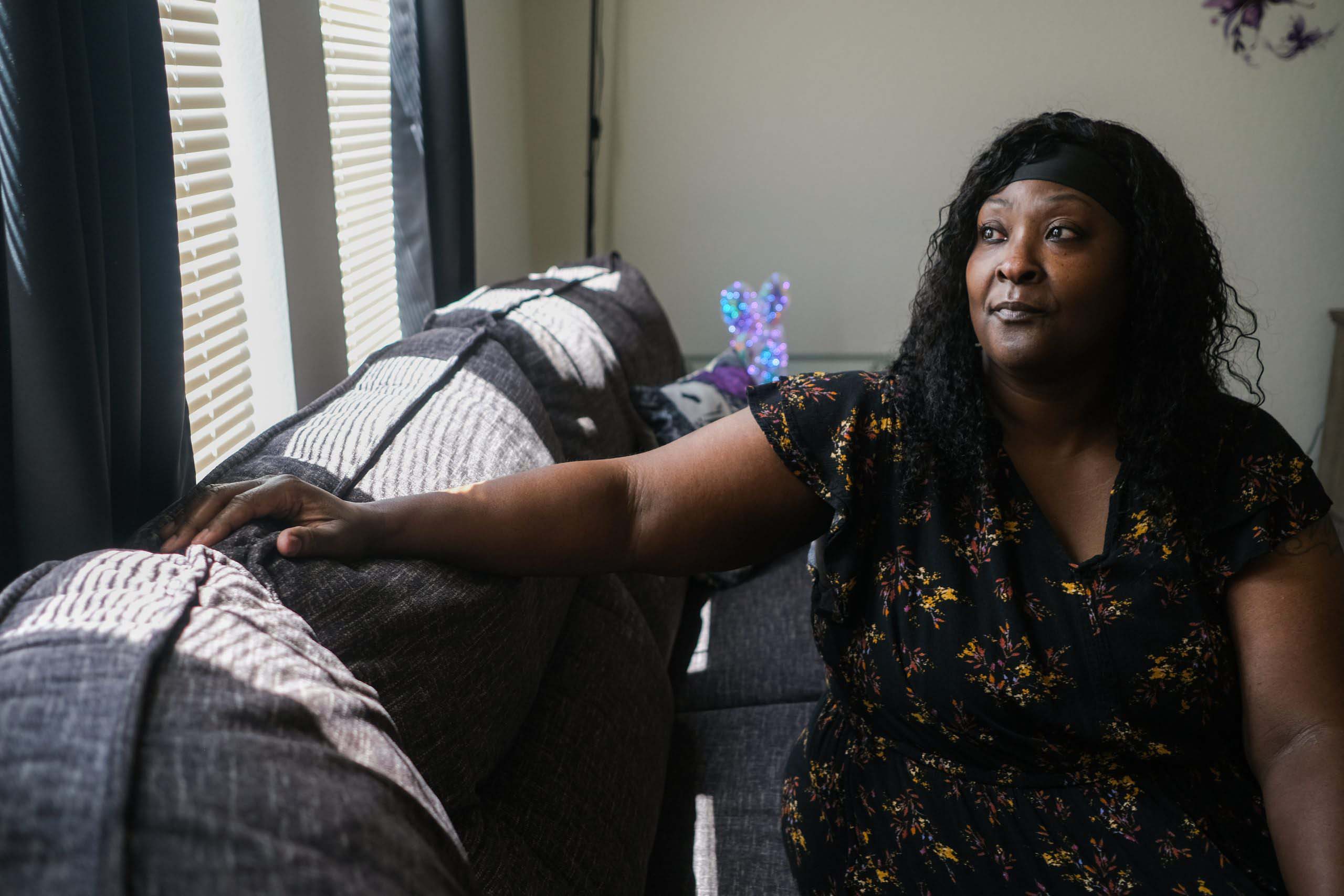
Sherrie Daugherty has systemic lupus, a chronic disease in which her immune system attacks healthy tissue. She often suffers debilitating joint and muscle pain, has a high risk of blood clots and can no longer work.
“My body temperature is higher — what’s called a low-grade fever — because my body’s always fighting against itself,” Daugherty said. Since heat exacerbates her symptoms, Daugherty stays inside her home in Hutto, in Williamson County, when temperatures are high, relying on air conditioning for more than comfort.
“I’m much hotter in places where people may be freezing,” she said, “whether it’s at a doctor’s office or in a Walmart — today, I wouldn’t be able to go outside or I would get very ill.”
In July, TXU Energy charged Daugherty $460 for her electricity. Energy costs that exceed 6% of a household’s income are considered unaffordable. Daughtery’s bill is roughly 25% of the monthly income she receives from Social Security Disability Insurance.