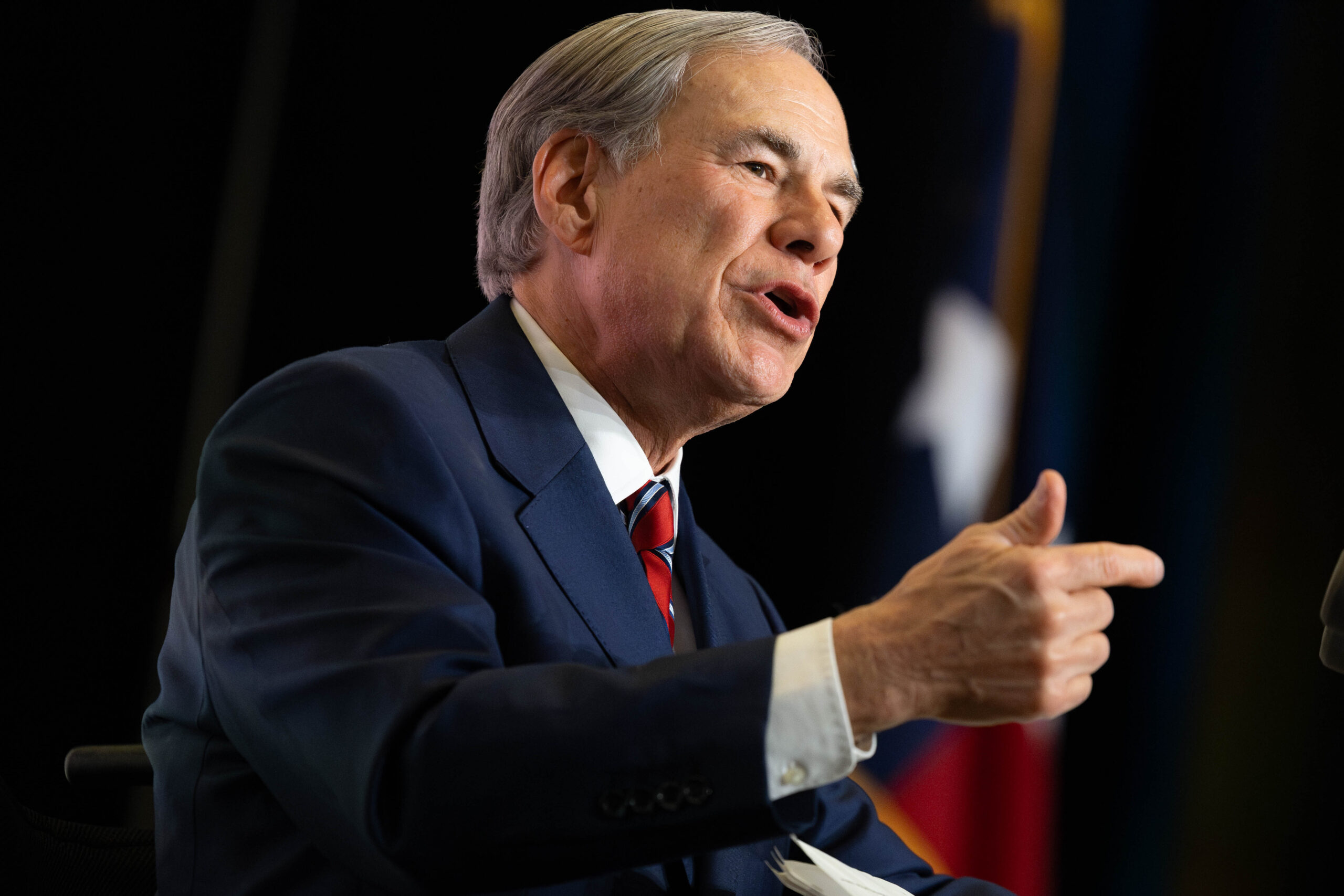
Gov. Greg Abbott is betting that his plan to lower property taxes could help him become the longest-serving governor in the state.
Abbott kicked off his third reelection campaign for governor over the weekend, where he announced his new plan for lowering property taxes. Property taxes primarily affect local budgets, school districts, public safety, and more.
So how does he plan to provide property tax relief and still leave enough money in the local coffers for those services?
Gromer Jeffers has been digging into the story for the Dallas Morning News and joined Texas Standard to discuss. Listen to the interview above or read the transcript below.
This transcript has been edited lightly for clarity:
Texas Standard: Well, Abbott just released a six-point plan. What are some of his big ideas?
Gromer Jeffers: Well, it’s really aggressive and most of the items are aimed at reining in the ability of local jurisdictions to raise property taxes the way they want to.
And so the big one is giving voters the ability to actually abolish property taxes from school districts. That would have to come via constitutional amendment, which means the Legislature would have to put it on a statewide ballot, and a vote of the people would have to occur. But as you know, that would be devastating, some public school advocates and school district folks say, because they would have to figure out where to make up that funding.
He also is advocating tight caps on appraisals and the ability of voters to actually have a referendum to abolish or lower property tax rates. So it’s a pretty aggressive plan that he has.
This plan to eliminate school property taxes, how does that fit into his sort of wider stance on changing up the way that schools are funded and what we mean by a public school with the implementation of education savings accounts and that sort of thing?
That’s a great point. I think the governor has this grand vision, although he hasn’t shared all of it. But if you look at what he’s been pushing for since he’s been governor, especially in the past four to six years, it’s been reimagining public education.
And you mentioned the voucher plan, which has these education savings accounts that allow students to use public dollars to attend private schools. He’s been really tough on funding in terms of giving public school districts and public school advocates what they want in terms of funding.
And so he wants to reimagine public education. And I think part of that is re-imagining how it’s funded and taking away the reliance on property taxes – which he points out the school funding is the largest portion of a Texas resident’s property tax.
» GET MORE NEWS FROM AROUND THE STATE: Sign up for Texas Standard’s weekly newsletters
Well, Texans just approved a lot of property tax relief as part of the constitutional amendments that were on the last ballot. And it’s true that those go on top of what the Texas Legislature did this past session. Is that right?
Yeah, so if you look at it, $51 billion over the next two years… And remember in 2023, there was $18 billion in tax relief provided, which at the time they touted as a historic move.
Abbott and Republicans complain, however, that if you have a home and your appraisals shoot up, that relief doesn’t mean much because you have to pay more in taxes. Or again, the ability of local jurisdictions to raise taxes or that sort of thing, which would wipe out any relief you get because maybe of a homestead exemption increase or something like that.
And so you see the fight brewing. Will local authorities from here on out be able to manage and determine what kind of tax rates they set? Or will Abbott and some Republicans in the Legislature who favor this be able to set these parameters on how local jurisdictions can raise their taxes?
I was going to ask about that because we’ve touched a little bit on the school district’s concerns. But local entities, as well, rely on these property taxes.
Have we heard from local governments about feeling [hamstrung] in their ability to provide public safety or infrastructure services or not yet?
If you ask a local official about what they want out of the Legislature, the answer is almost invariably just to “leave us alone.” And they’ve always feared that this day was coming when the Texas Legislature and the governor would try to impact the amount of revenue they could collect, because when you look at basic services — trash collection, street repairs, sewers, public safety — that’s done on a local level. And it costs money.
And if your ability to raise tax revenue is mitigated by laws that the state now implements, or if you have to worry about 15% of registered voters, as Abbott’s plan outlines, could actually have a referendum to lower or roll back property taxes, then that’s a problem, and that’s something that you would have to worry about and navigate not just one year, but it would be pressure on you all the time because voters would be able to do that.