From The Texas Tribune:
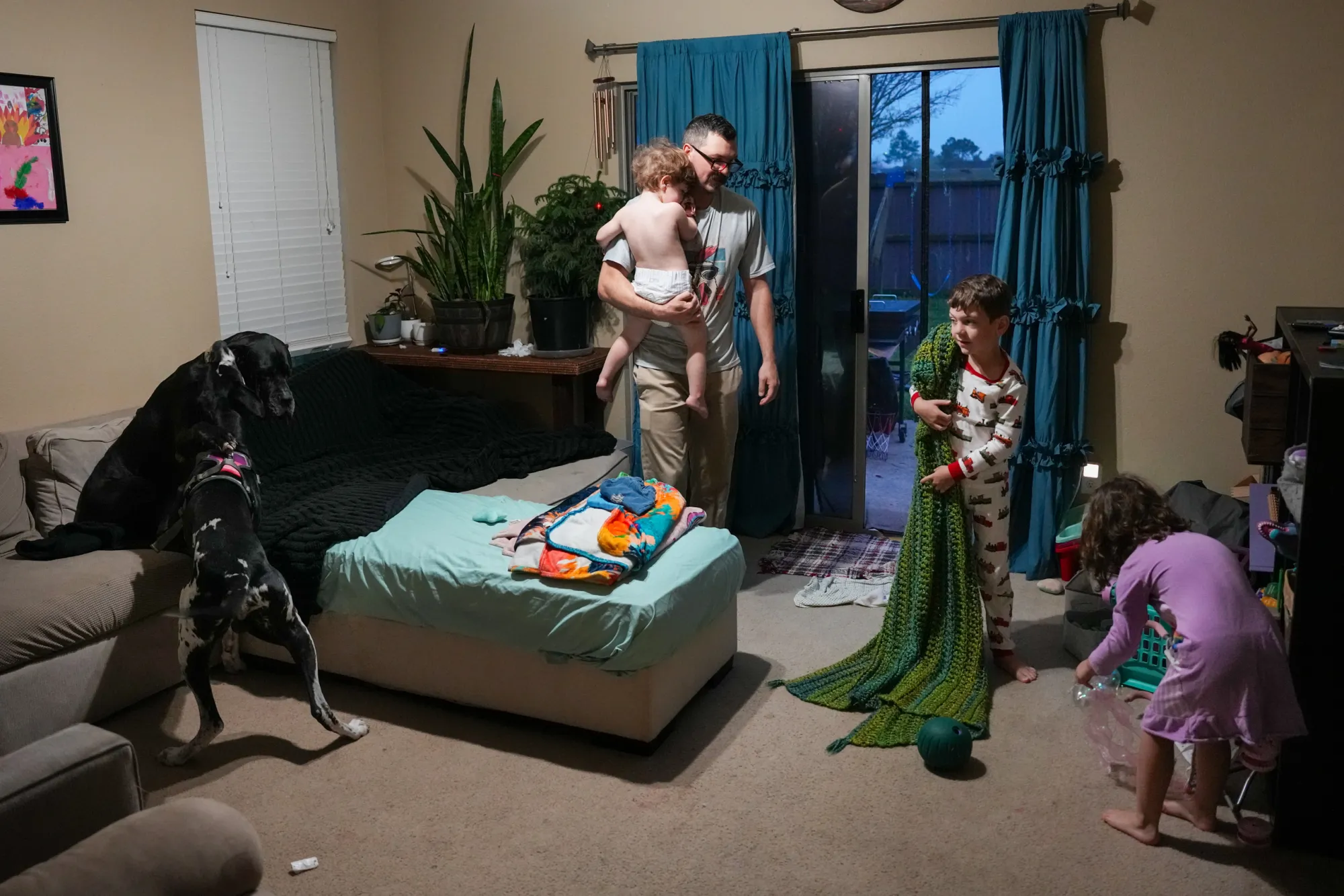
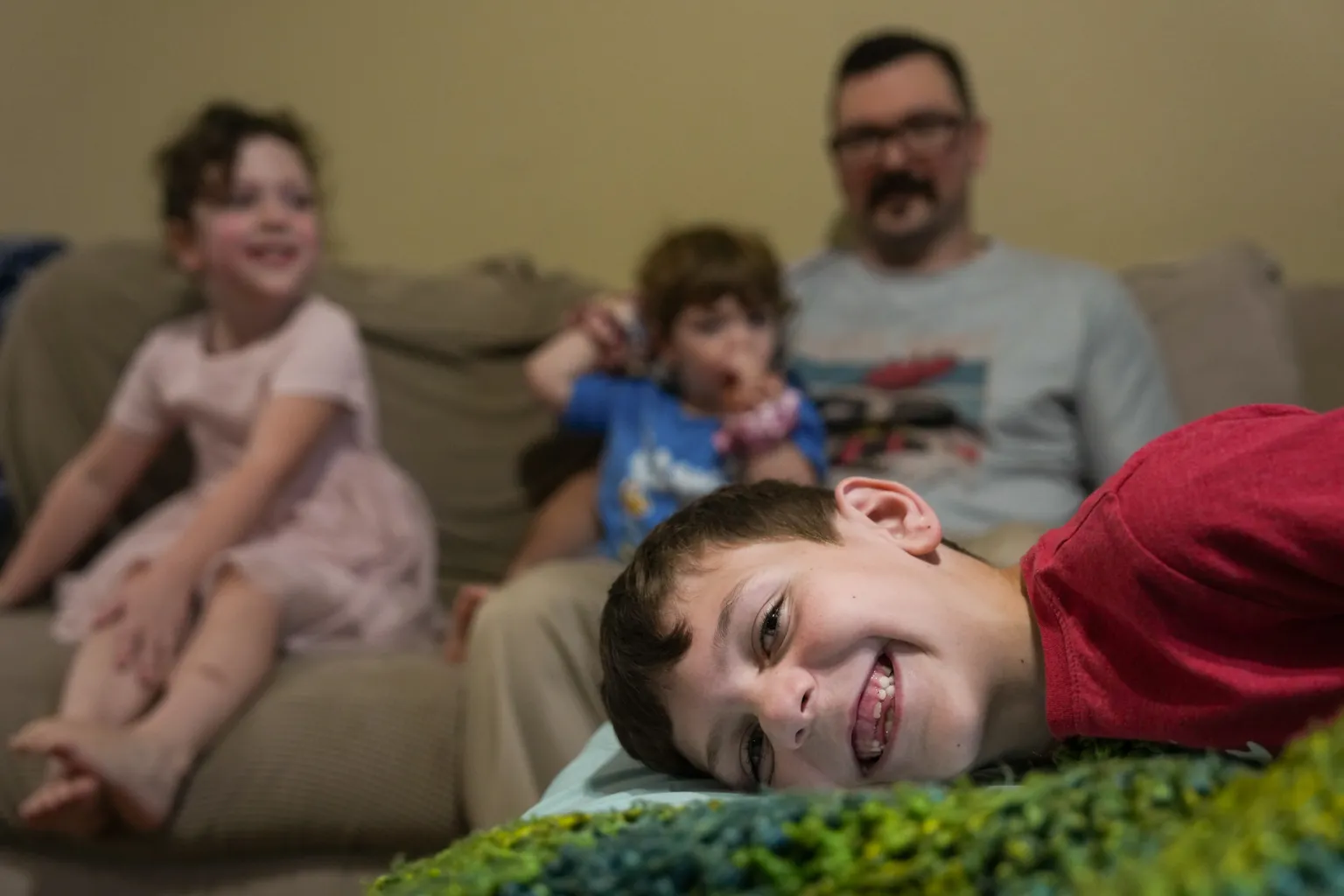
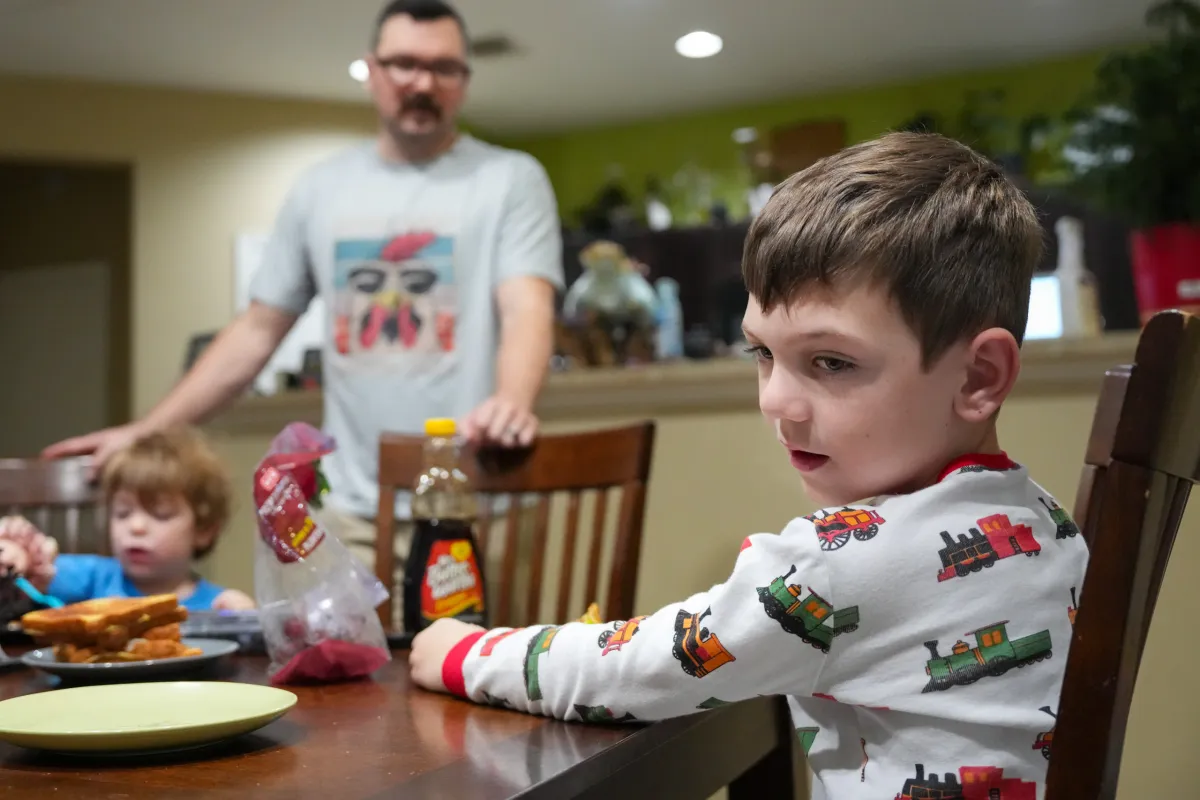
Henry Herzog struggles with ADHD, anxiety and hypersensitivity to crowds and noise. The 7-year-old has a physician’s note to prove it.
The medical diagnosis will give Henry priority when Texas decides which students may receive private school vouchers for the 2026-27 school year. Most students will qualify for roughly $10,500 in public funds to pay for private school during Texas’ inaugural rollout of a voucher program. Henry is among the children with disabilities who could also qualify for nearly $20,000 more.
But Henry — and an unknown number of others — have already missed out on that additional money because voucher applications, which close Tuesday, require public schools to perform disability evaluations of students seeking the extra money. Districts have 15 school days to give parents an opportunity to provide written consent for the evaluation. Upon receiving consent, districts have 45 school days to complete the evaluation. They then have 30 calendar days for parents and educators to meet and develop a plan.
Many parents did not realize they needed the evaluation until they started the voucher application. And the window to apply for vouchers was only 41 calendar days.
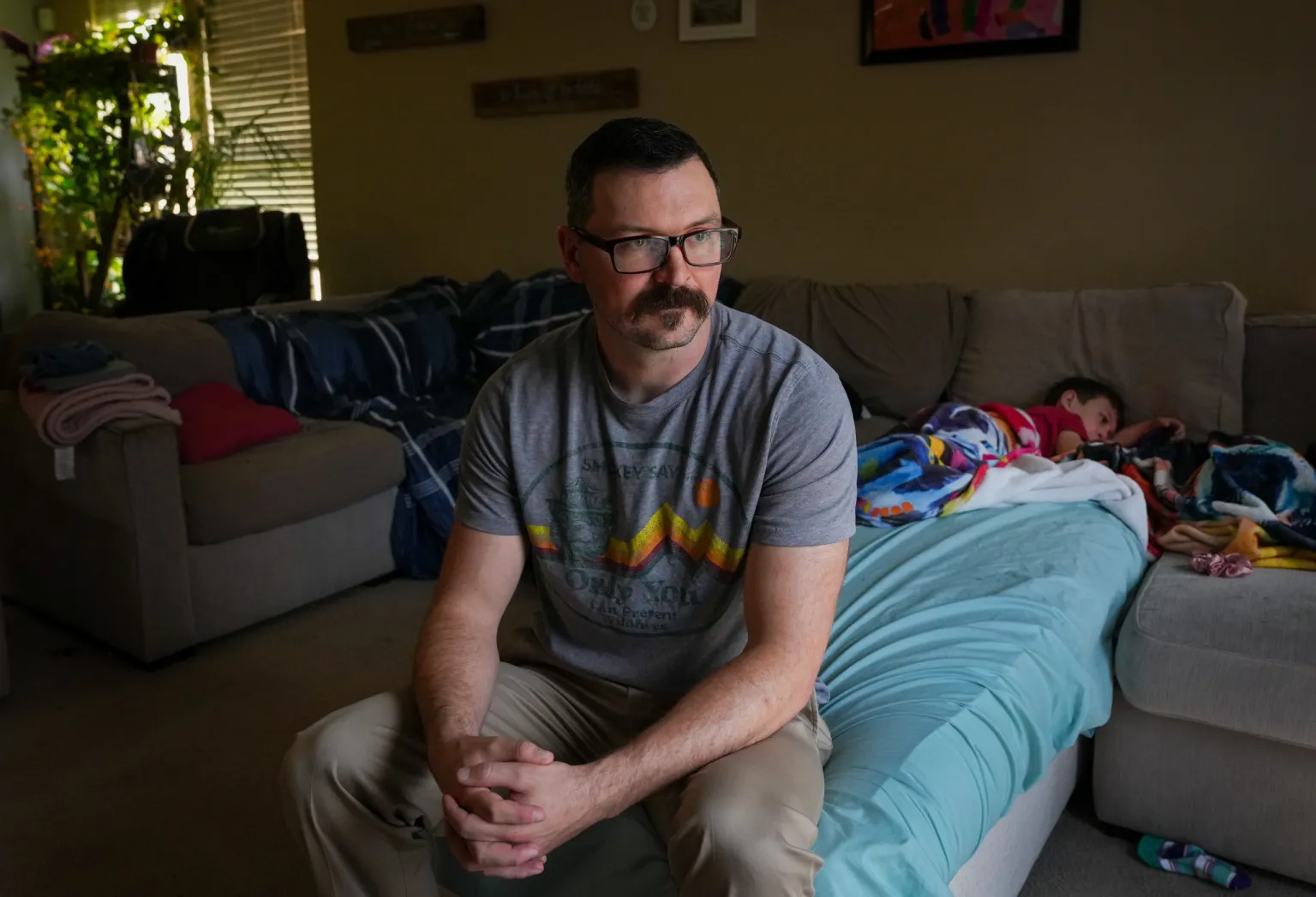
“It’s frustrating. I wish that it would have been communicated better,” said Tony Herzog, Henry’s dad. “The information wasn’t out there.”
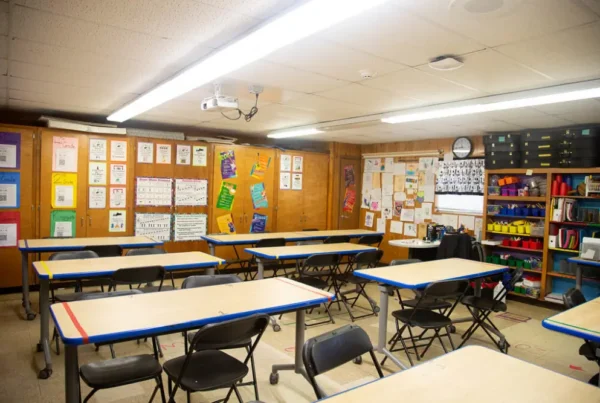
The situation has inundated public school districts with requests from private schools and prospective voucher parents trying to secure special education evaluations and documentation. That influx has forced public schools to redirect limited resources to kids whose parents want vouchers.
“It’s really nice to have school choice,” said Linda Litzinger, advocacy director for Texas Parent to Parent, a disability rights organization. “But this piece wasn’t really, completely worked out with an available time frame for people with disabilities to actually have equal access to it.”
Completing one special education evaluation can take 10 to 30 hours across several days, requiring input from school psychologists, educational diagnosticians and speech-language pathologists. Ranging from academic performance to health, they assess children in every area of a suspected disability.