This is part 2 in Texas Public Radio’s “Blood Work: Inside America’s Plasma-for-Cash Economy” series.
From Texas Public Radio:
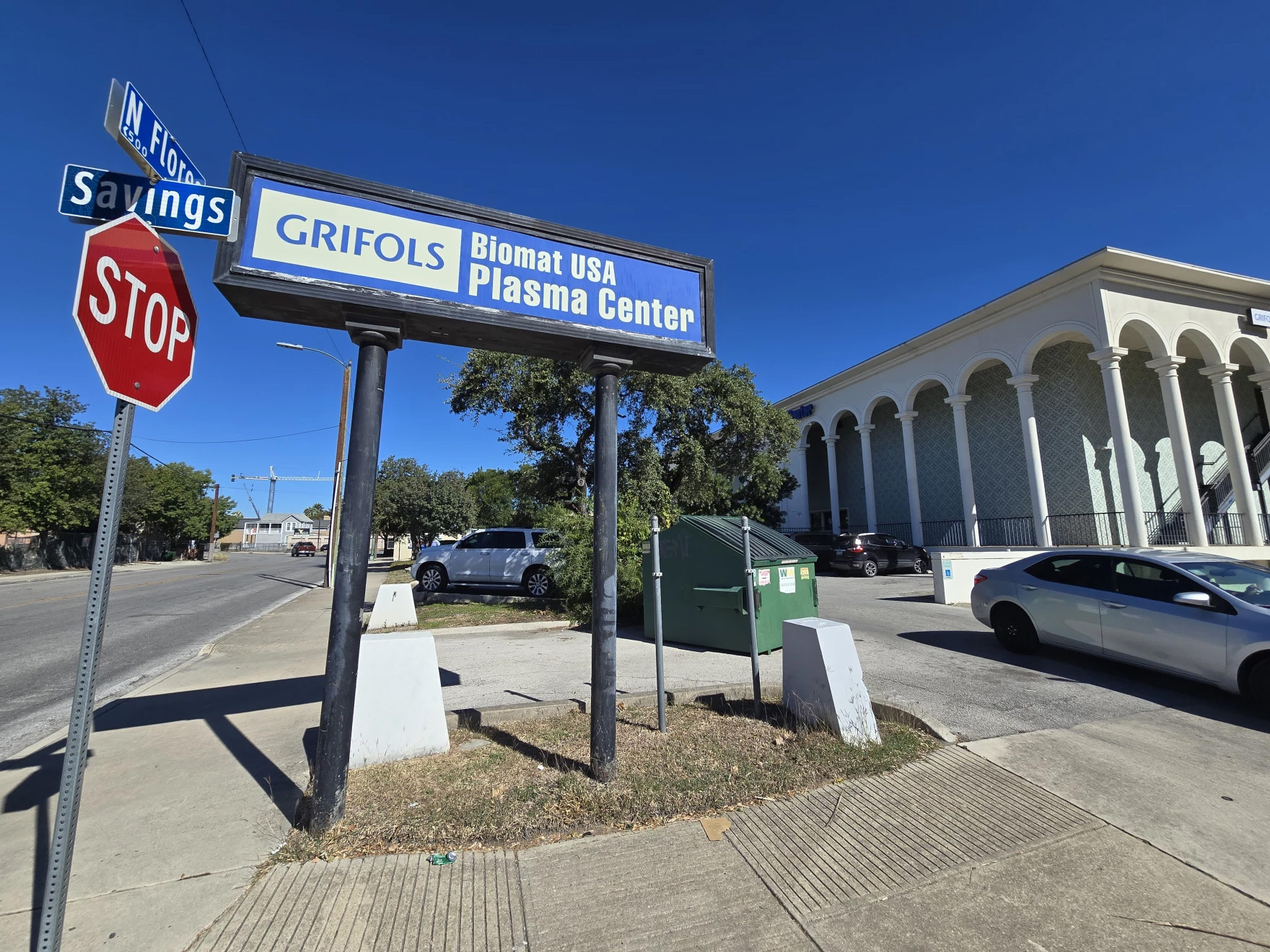
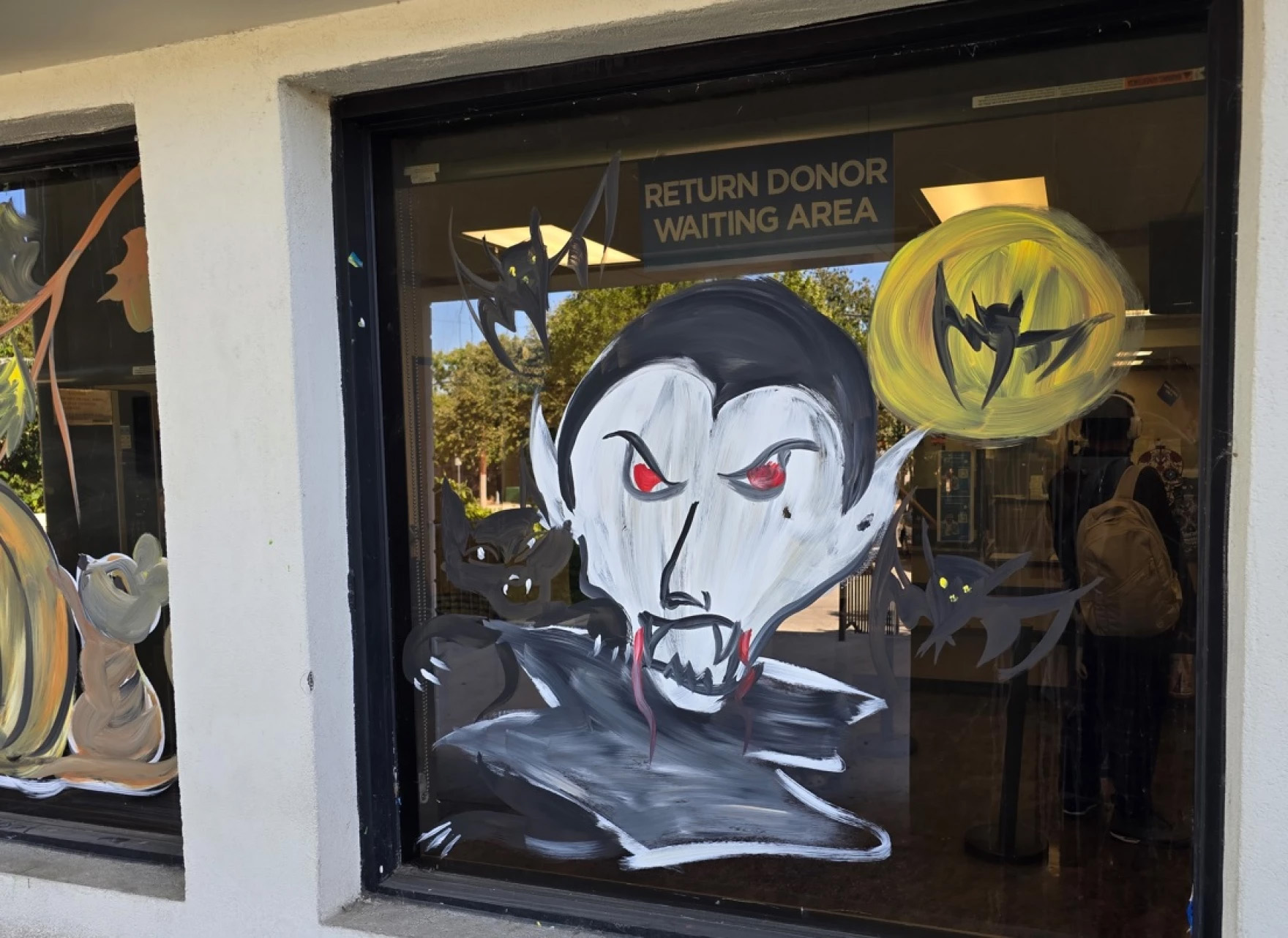
There’s a crude but whimsical painting of an enthusiastic Dracula on a window at the Grifols plasma center in downtown San Antonio. It’s a Halloween decoration, but you have to wonder if having a vampire staring at blood plasma donors was in good taste.
Grifols is one of the world’s largest producers of plasma-derived medicines, and last year it reported a revenue of about $8 billion.
That profit was due in part to people like Octavia Rodrigues who come here for a specific reason.
“Oh for the extra cash,” she said.
Rodrigues said she donates twice a week and she even takes iron supplements to help deal with the effects. “I could barely stand when I got home. Any little movement didn’t make me feel good,” she said.
But Rodrigues said she needs to sell her plasma to get by.
“Hopefully if I get the second job, I’ll quit this. Don’t have to really come back here anymore,” she said.
Most plasma donors in the U.S. come from lower-income households.
According to the study “The Interlinkage Between Blood Plasma Donation and Poverty in the United States“ paid plasma donation has become a common economic coping strategy among Americans dealing with high rates of poverty and steep increases in the costs of essential expenses.
That’s what Luis Barberena said he’s facing. He said selling plasma twice a week is his “lifeline.”
“It could just be the job market. I’m not cracking the 40 hours that I need, so this is helpful to me,” he said.