Farming’s a tough business. Most of the people doing it now, at scale, are driven survivors with a knack for innovation, like Thayne Larson.
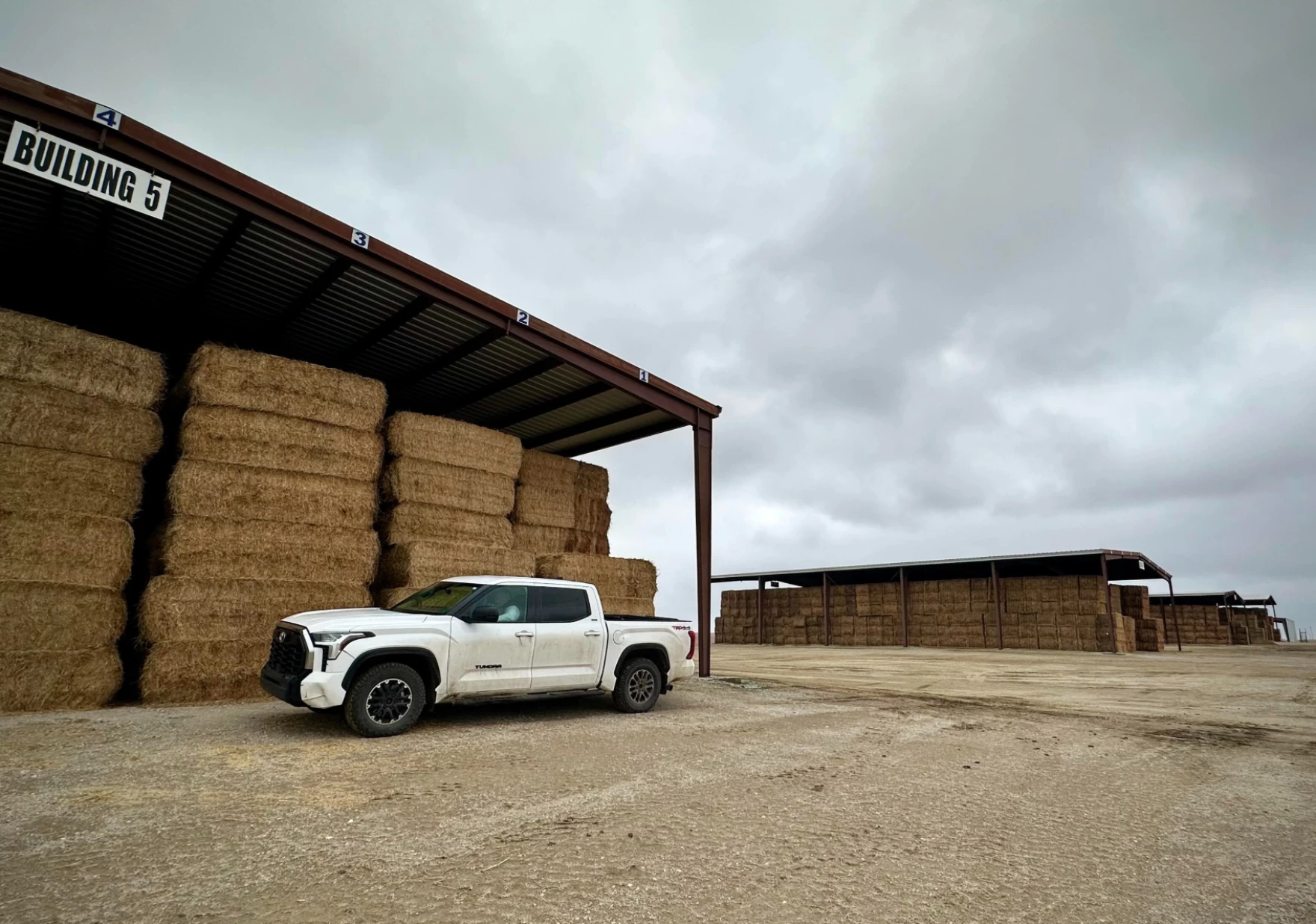
Larson’s operation in north central Kansas narrowly survived the 1980s farm crisis. He grew hay for local cattle operations, but, in dry years, he couldn’t grow enough, and in wet ones, he grew too much, and the price tanked. So, Larson started a business buying, selling, and shipping hay nationwide, which spun into a diverse family of companies called Bestifor Farms, with thirty-some employees.
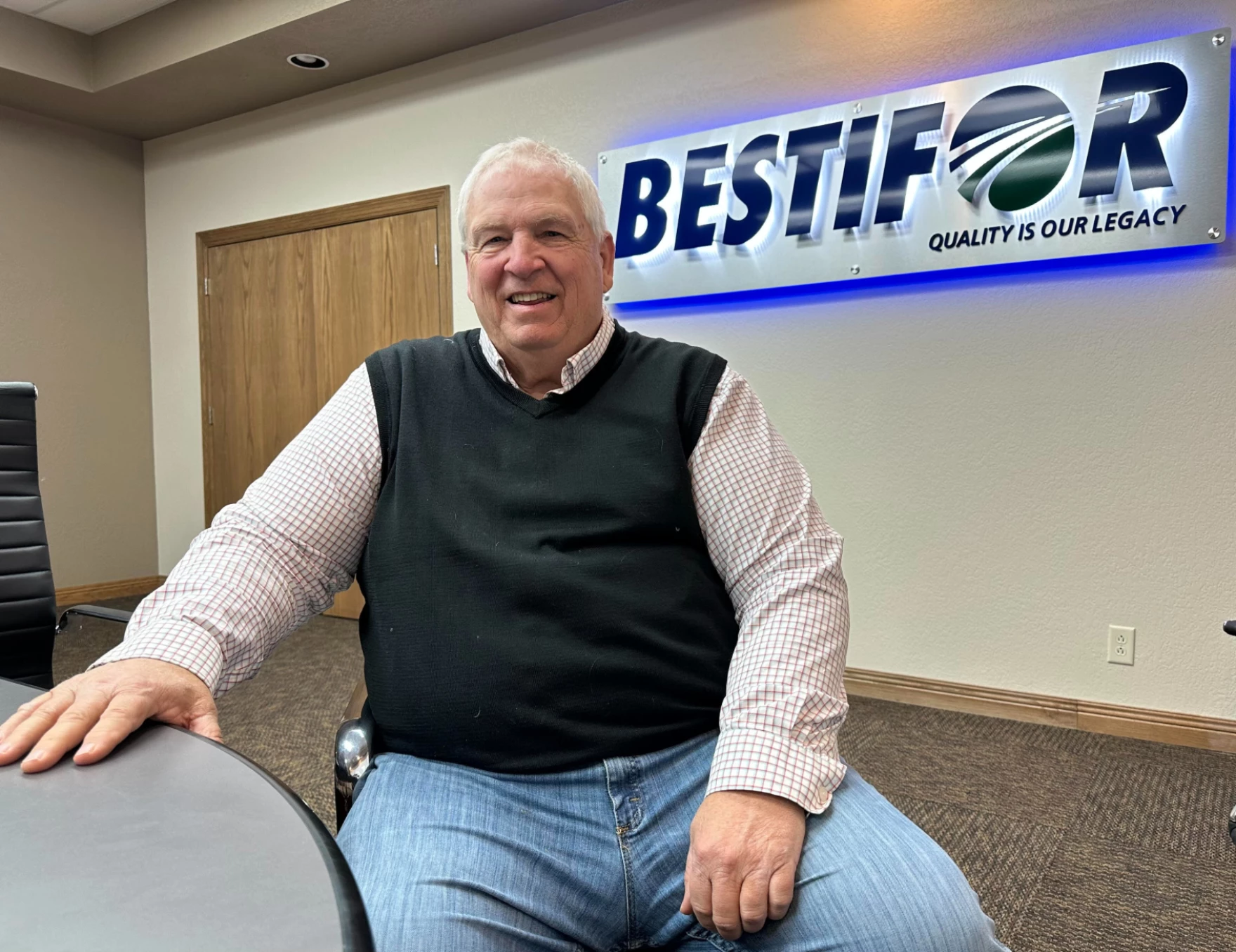
“Between the pet food company, and software, running the grain elevator mechanics, we have secretaries and staff and HR and accountants,” said Larson, sitting in the Bestifor board room. “It adds up before you know it.”
Larson’s also running a trucking business, while growing lots and lots of hay, corn and soybeans.
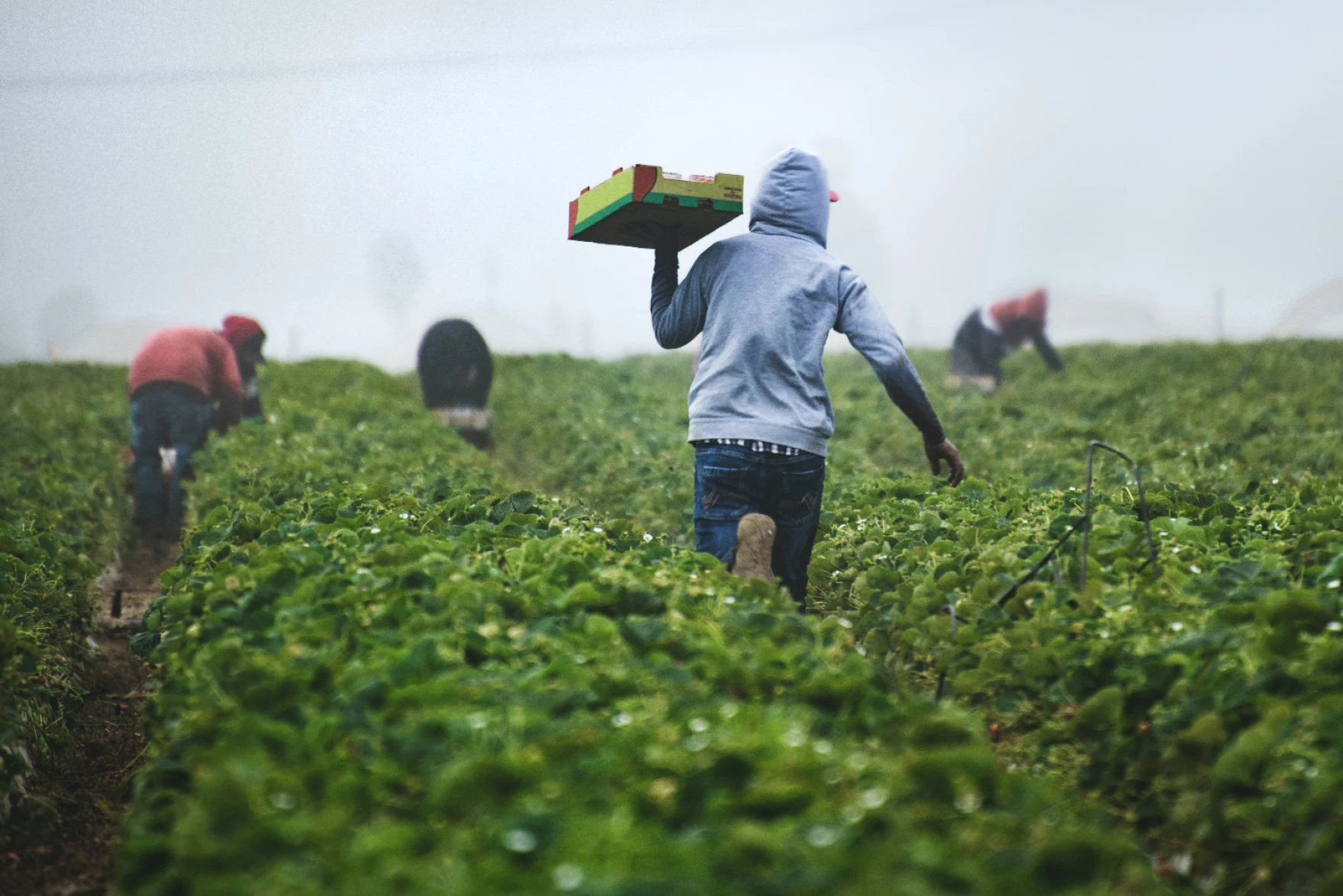
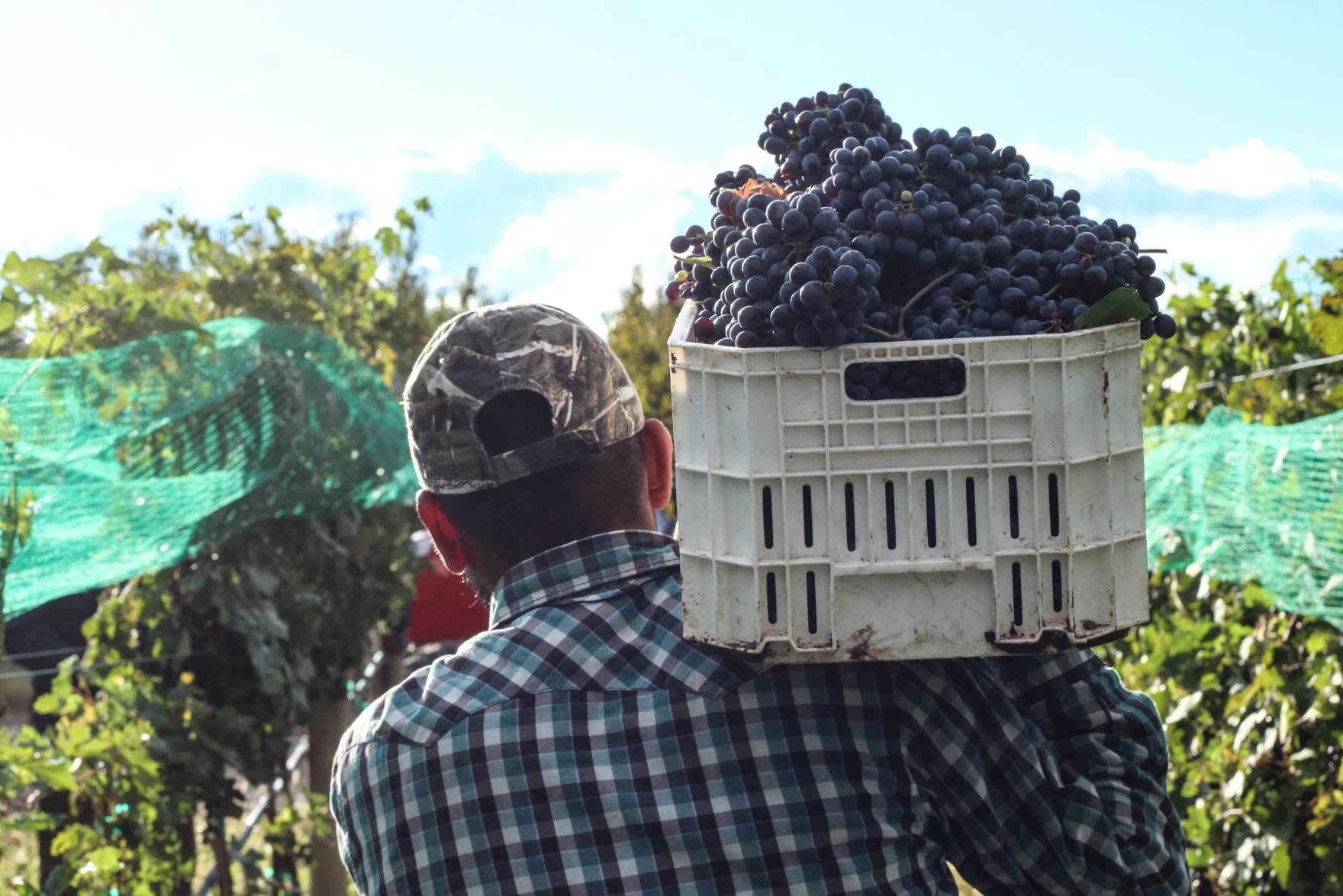
He could use more employees, but said that, where he is, in Bellville, Kansas, an hour from the nearest Walmart, no one looking for a job is willing to put in the long hours and hard work necessary to keep a farm running. Larson said he’s got little choice but to hire foreign guest workers through the H-2A visa program.
“You’re not replacing workers here. They’re just filling a void,” said Larson. “If you’re going to be in this business, you got to find people.”