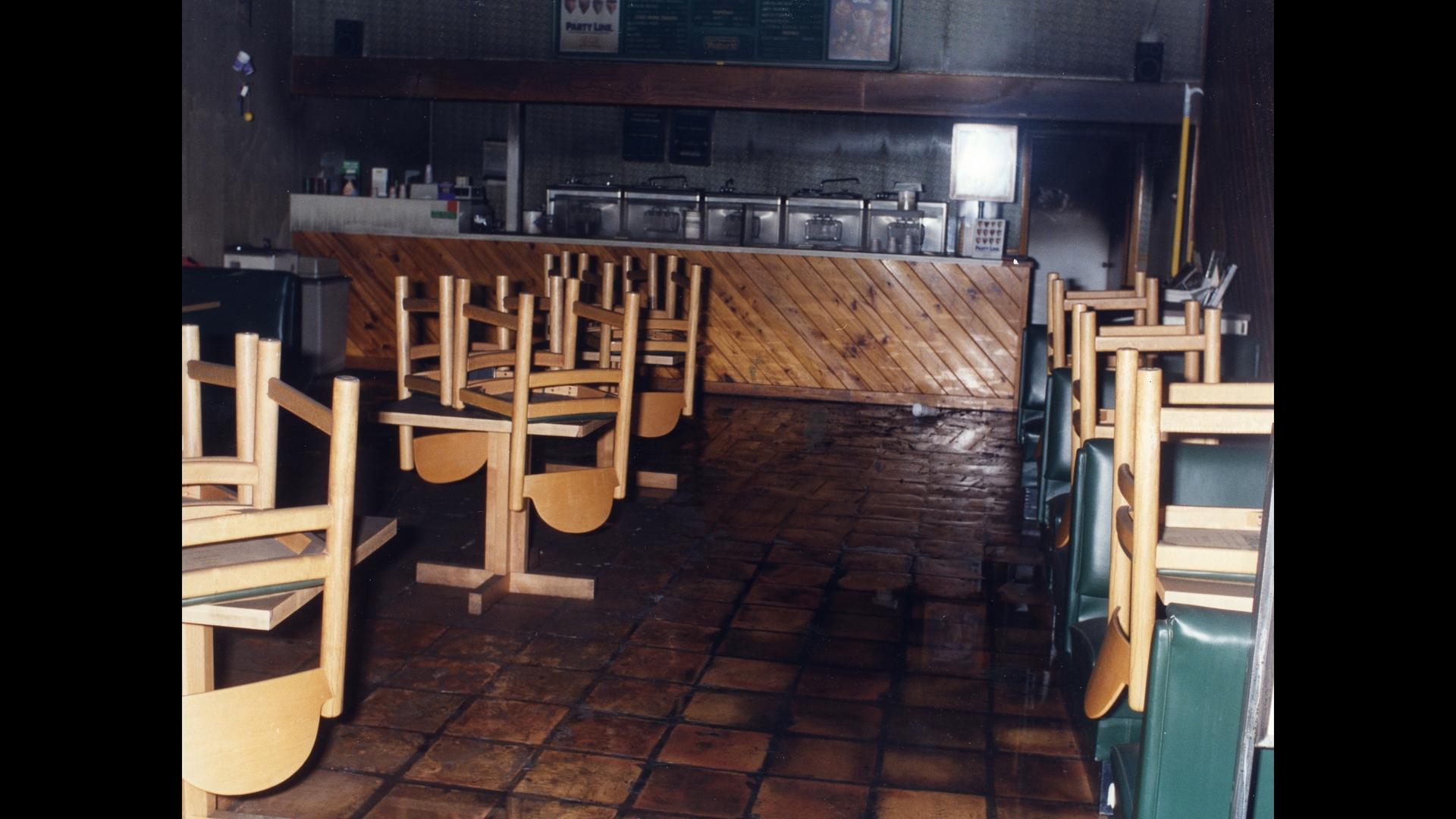
A lot has been written and said about a horrific crime in Austin in the early 1990s. Four teenage girls were violently killed. It became known for the place where it happened: the yogurt shop murders.
Though there were arrests, confessions, and even convictions, the crimes remain officially unsolved.
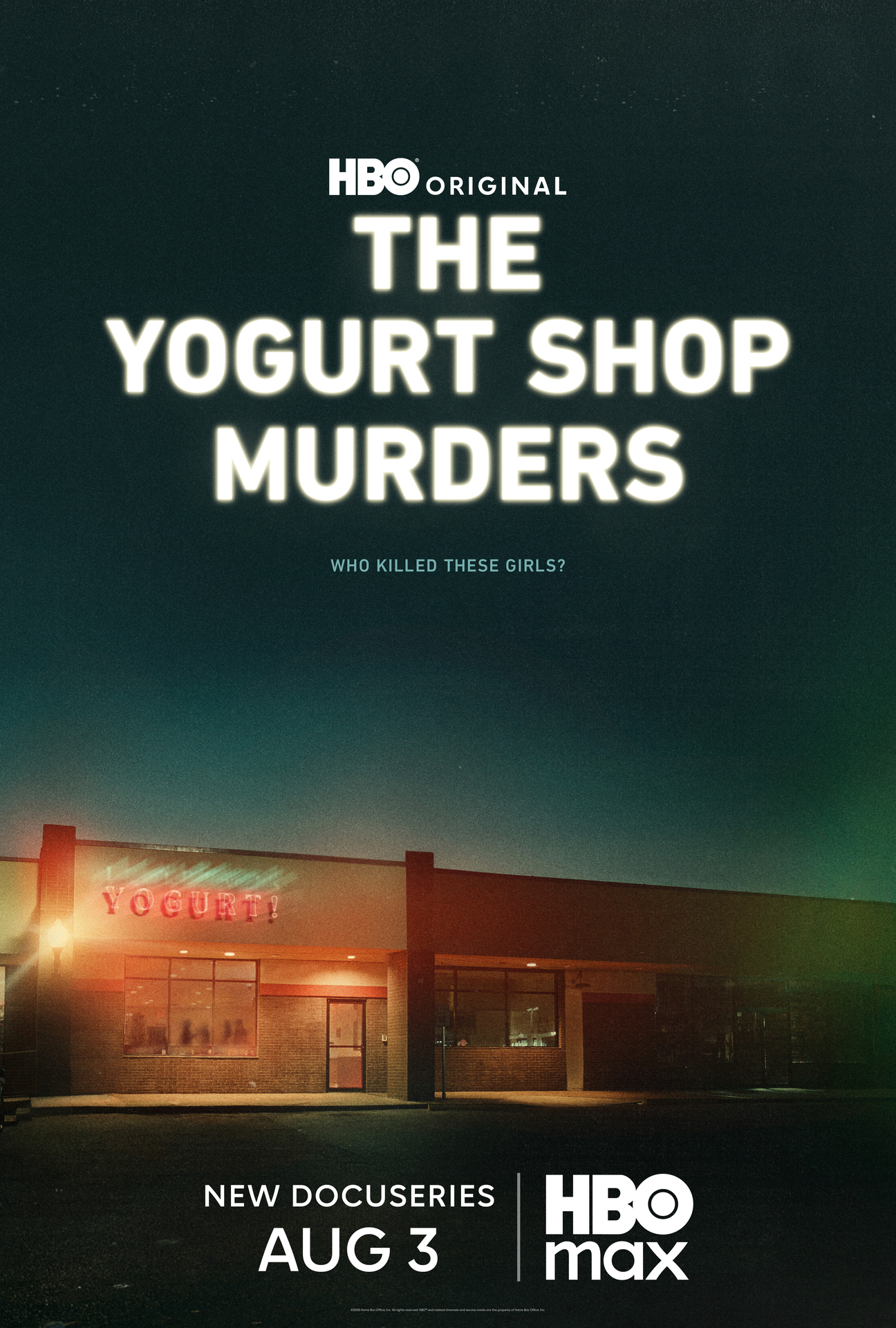
What happened back in 1991, and since, is the focus of a four-part documentary series now on HBO and HBO Max. “The Yogurt Shop Murders” is directed by Austin-based filmmaker Margaret Brown.
Brown spoke with Texas Standard freelancer Karen Bernstein when the series had its Texas premiere at South by Southwest. Brown told us she got involved in making “The Yogurt Shop Murders” after hearing about the project from her manager.
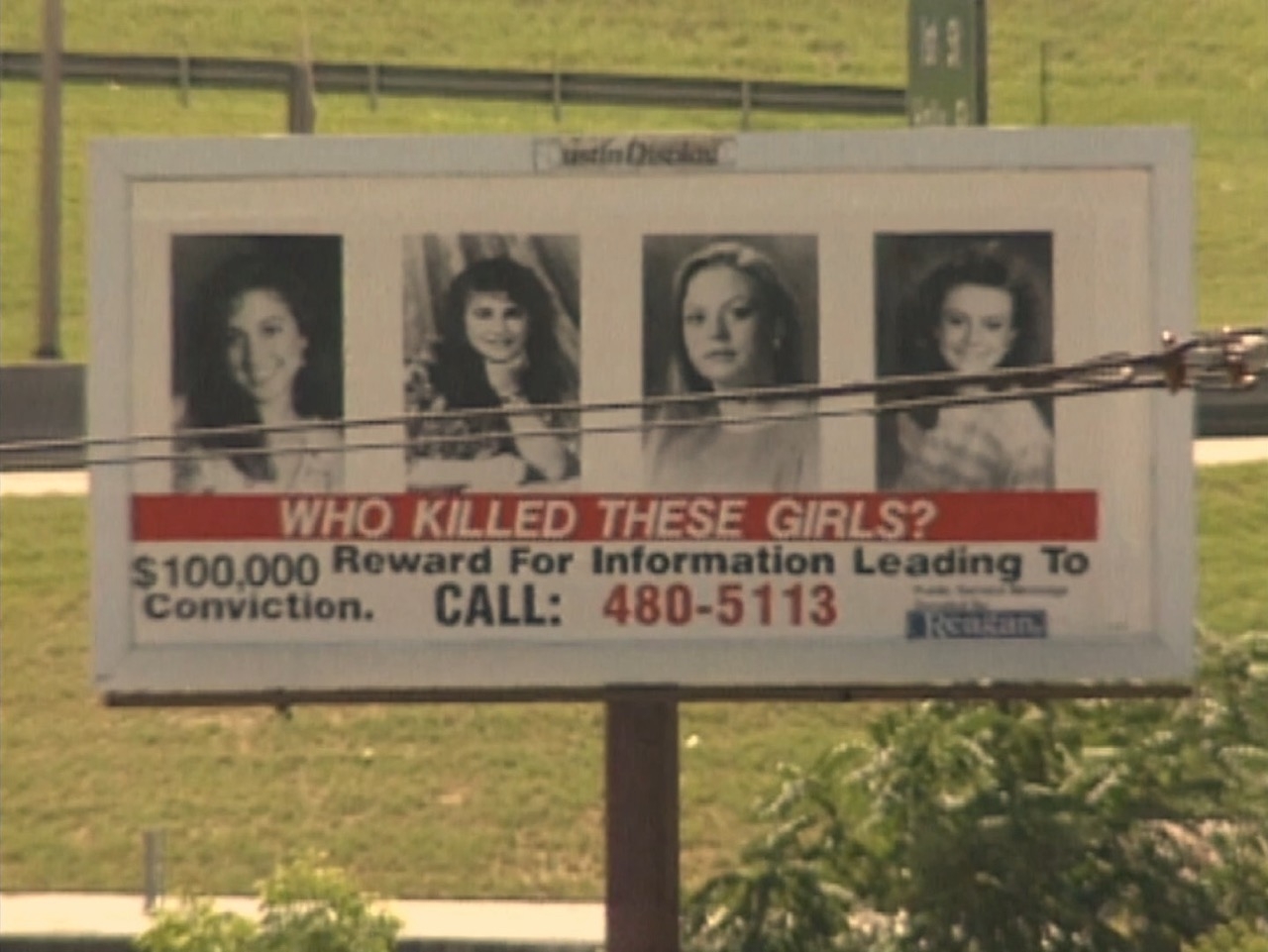
“So they told me the story, which of course I already knew about because I was here [in Austin] in the late ’90s and I remember seeing the billboards. And it was also something you just heard about. People talked about it all the time. And so it was almost just like part of the fabric of living in Austin,” Brown said.
“I thought about it in sort of an abstract way when I took the job. I saw the archival footage. I thought, ‘oh my gosh, this is incredible.’ Like, there’s so much amazing archival footage. And then… the way that journalists I really admire and love talked about it. I thought, ‘oh, this will be really interesting.’”
Brown said her perspective began to shift when she met the families of the victims.
“I’ve never done anything in the true crime world before, and I feel like I’ve done things that are about trauma, but really different than this kind of trauma. So I was just like, ‘oh, I really can’t mess this up.’ Like, I could feel their pain. It was so, so anguished,” Brown said.
So why, so many decades later, does Brown think the yogurt shop murders continue to hang so heavy over Texas?
“I think it’s the horrific nature of the crime, first of all,” Brown said. “I think also it’s because there were people who were convicted who then got let off in kind of a complicated way and there’s still questions about that.”
» GET MORE NEWS FROM AROUND THE STATE: Sign up for Texas Standard’s weekly newsletters
Brown said the murders looms large over Austin as a whole.
“I think it’s a part of the fabric of Austin,” Brown said. “I think it’s something that changed how people thought about where they lived. The way the media characterized it, it’s like ‘the day Austin lost its innocence.’ And I do think there’s truth there.
But I also think, one thing Barbara Ayres says, one of the mothers, is that she met other crime victims in Austin afterward who were African American. And their children did not get near as much attention. She goes, ‘four white girls, big news, big news, four white girls got murdered.’ That’s how she says it.”