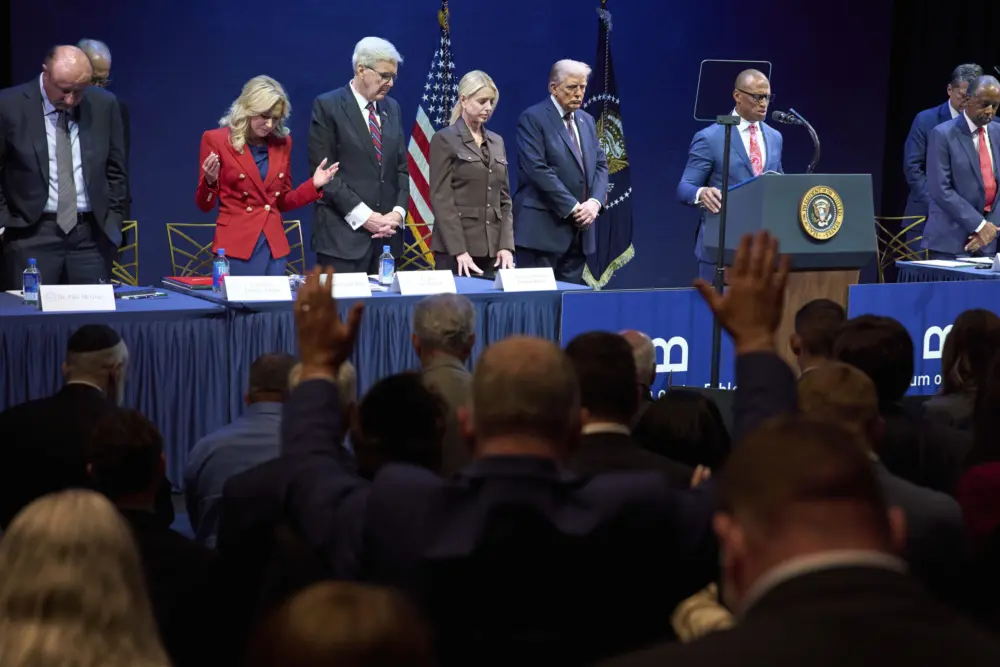
Next month, the president’s Religious Liberty Commission — led by Texas Lt. Gov. Dan Patrick — will make its formal policy recommendations to President Donald Trump. Patrick, speaking last week, hinted at the direction of his recommendations by arguing there is no such thing as separation of church and state in the U.S. Constitution.
Patrick’s remarks point to the growing influence of Christian nationalism on conservative politics in Texas and nationwide.
Sam Martin, the Frank Church Chair of Public Affairs at Boise State University, studies the intersection of religion and American politics and previously taught at Southern Methodist University in Dallas.
“Texas is to conservative politics and Christian nationalism and these kinds of ideas what California is to progressive ideas,” Martin said. “”What Texas does has ripple effects in ways that other red states like, say, Idaho or Wyoming or even a place like South Carolina just simply do not.”
Martin noted that, among other avenues, the growth of Christian nationalism in Texas influences the rest of the country through public school education.
“A vast majority of textbooks that get written have to be approved first by Texas, because they buy so many of them,” Martin said.
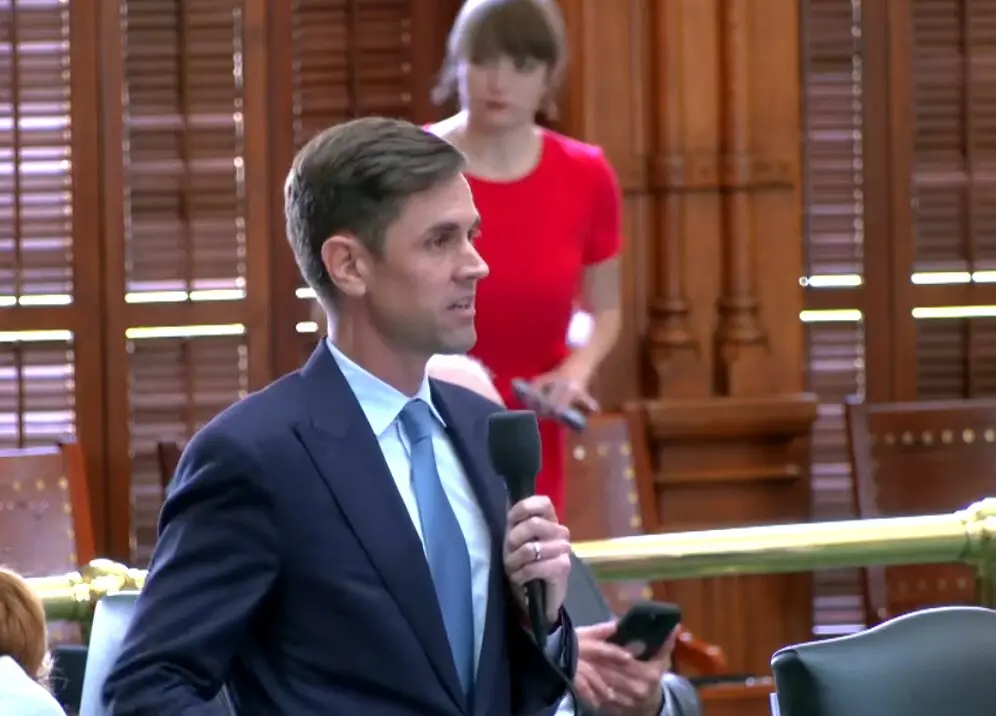
On Tuesday, the conservative-leaning U.S. 5th Circuit Court of Appeals sided with Texas officials in ruling the state can compel public schools throughout the state to display the Ten Commandments in every classroom.
Power in the name of Christ
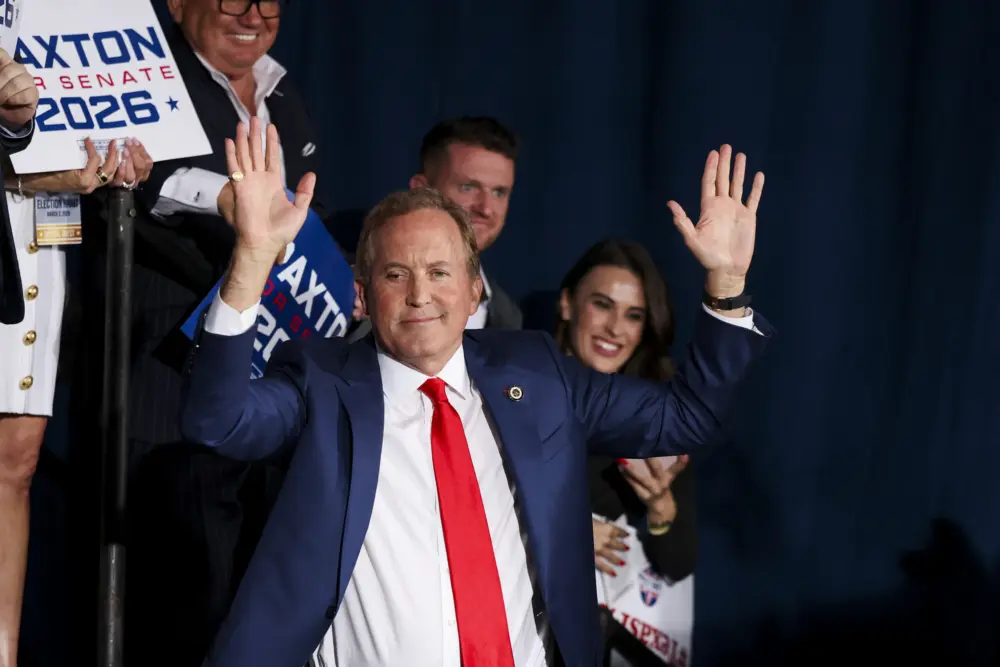
Invoking religion is nothing new in Texas politics. Speaking at the annual Conservative Political Action Conference, or CPAC, near Dallas last month, Attorney General Ken Paxton, a Republican candidate for U.S. Senate, attributed his acquittal of impeachment charges in 2023 to divine intervention.
“There’s only one reason I got through all of that, and it’s by the grace of God. He absolutely delivered me, and he used the people of Texas to deliver me,” Paxton said.