It’s been a tough spring for Harvest Thyme Farm.
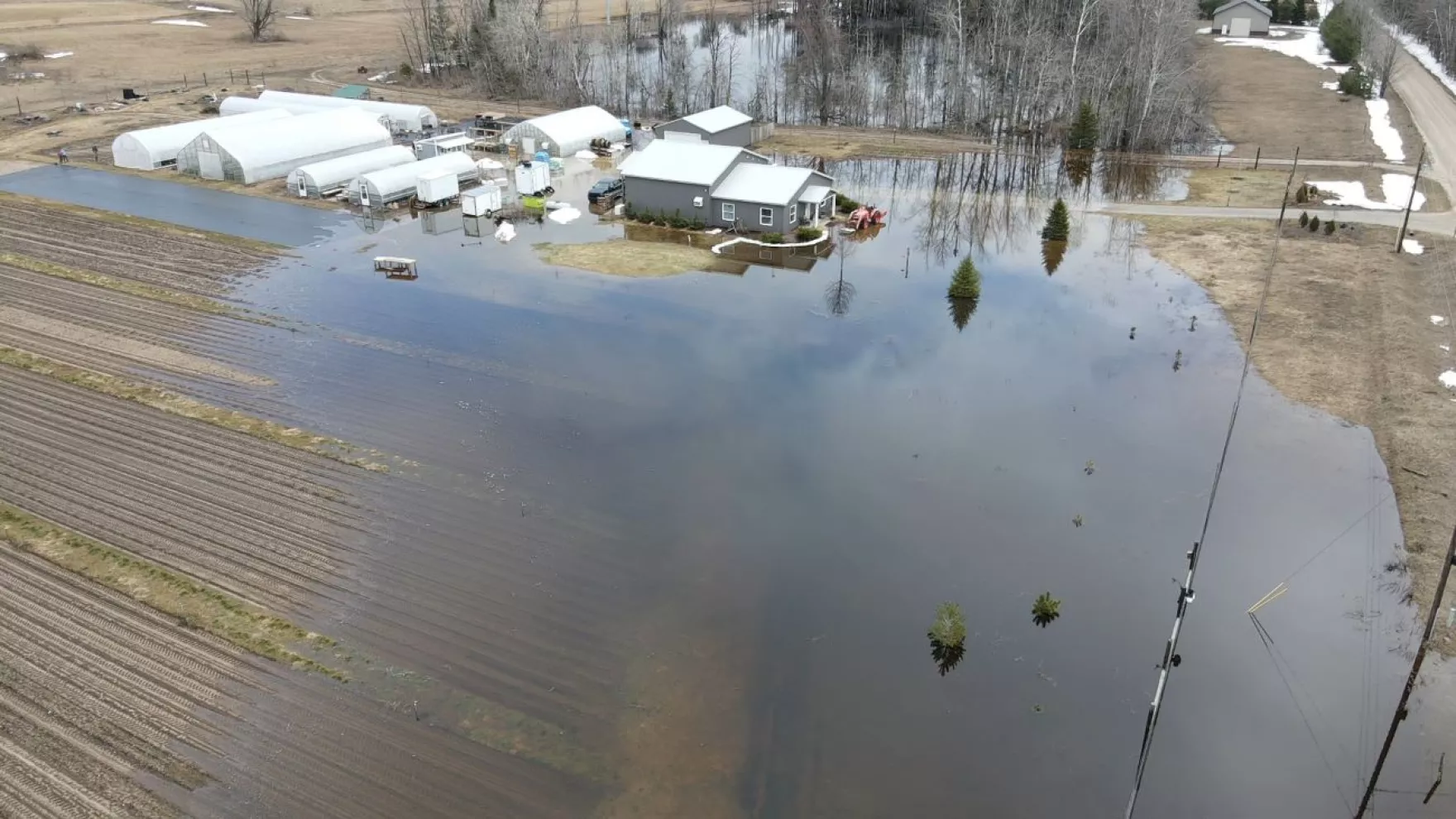
In March, the flower and vegetable farm in Cheboygan, Michigan, was buried by an historic blizzard and ice storm. April brought floodwaters that filled their backyard and inundated their greenhouse.
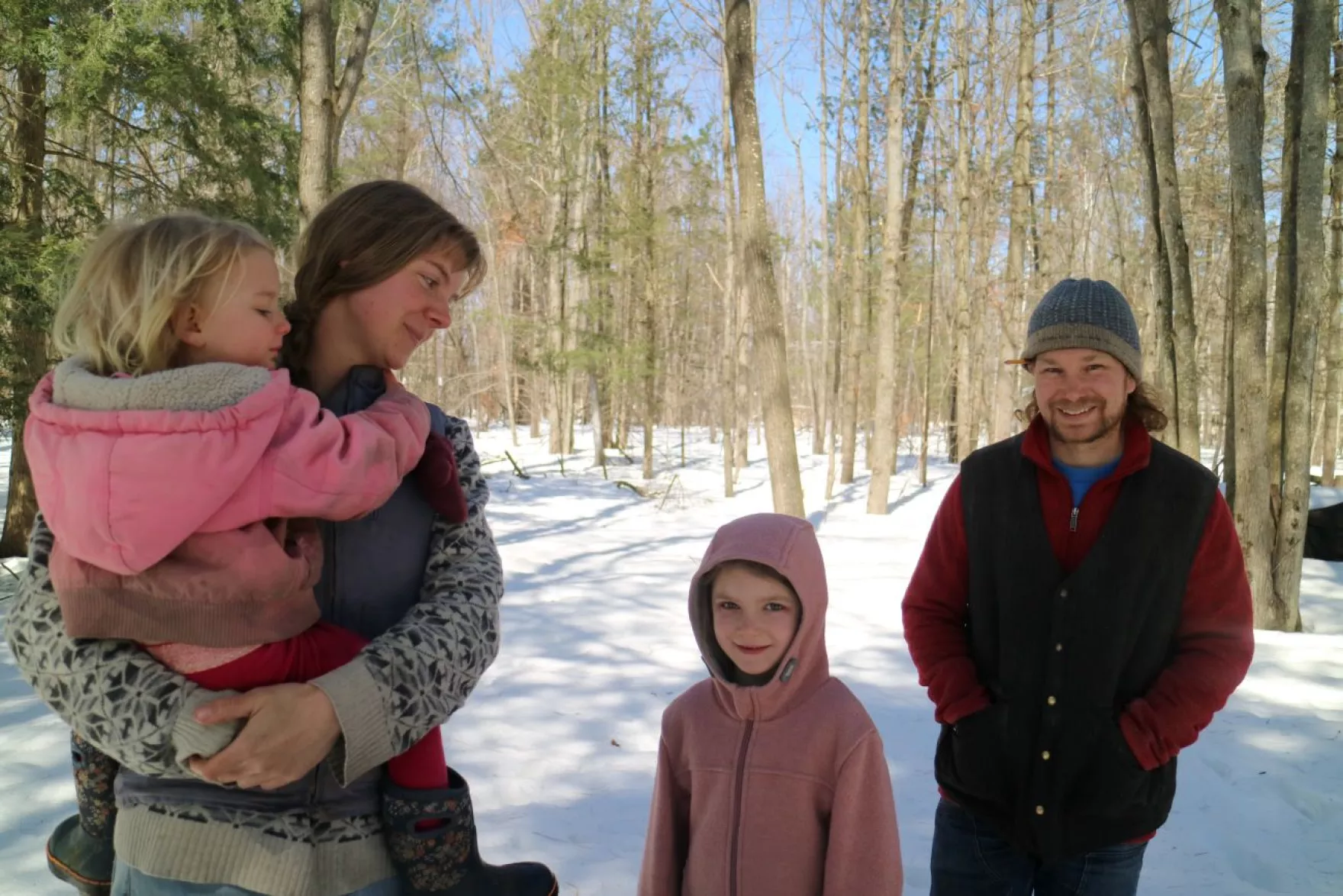
“It’s just one thing after the other,” said the farm’s owner, Greta Jankoviak.
Michigan Gov. Gretchen Whitmer declared a state of emergency for 33 counties on April 12, after widespread flooding washed away bridges, roads, and submerged homes. Eight tornadoes also tore through the state.
The March blizzard, which dumped more than four feet of snow in portions of Michigan’s Upper Peninsula in just 48 hours, melted just as quickly with April’s warmer temperatures. Heavy rainfall then flooded rivers, causing water to overtop dams.
Brad Rippey, a meteorologist with the U.S. Department of Agriculture, says severe weather events like these are becoming more common and more intense as the climate changes.
“That’s definitely a trend we have seen,” Rippey said. “A warmer climate can lead to more water vapor.”
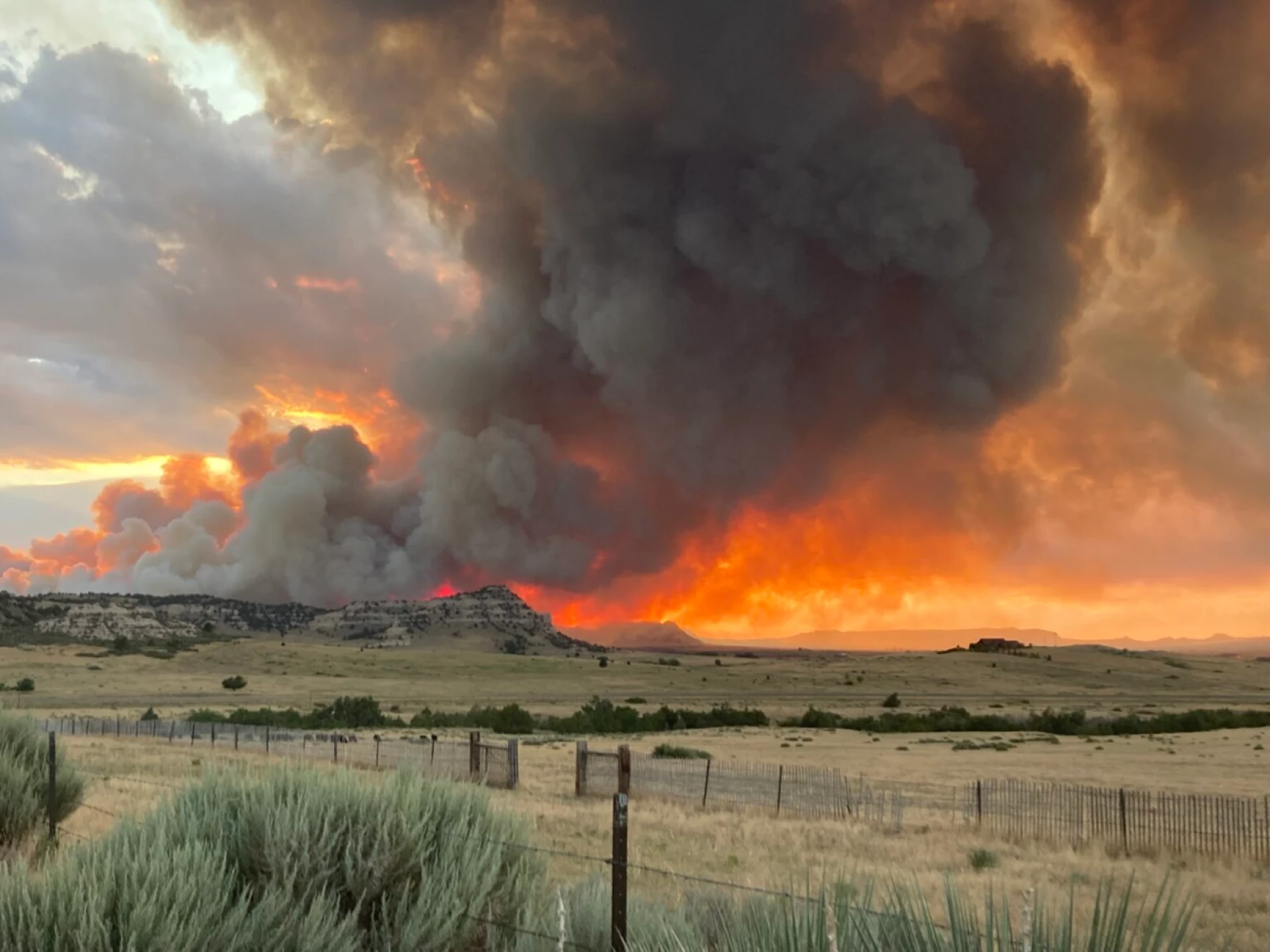
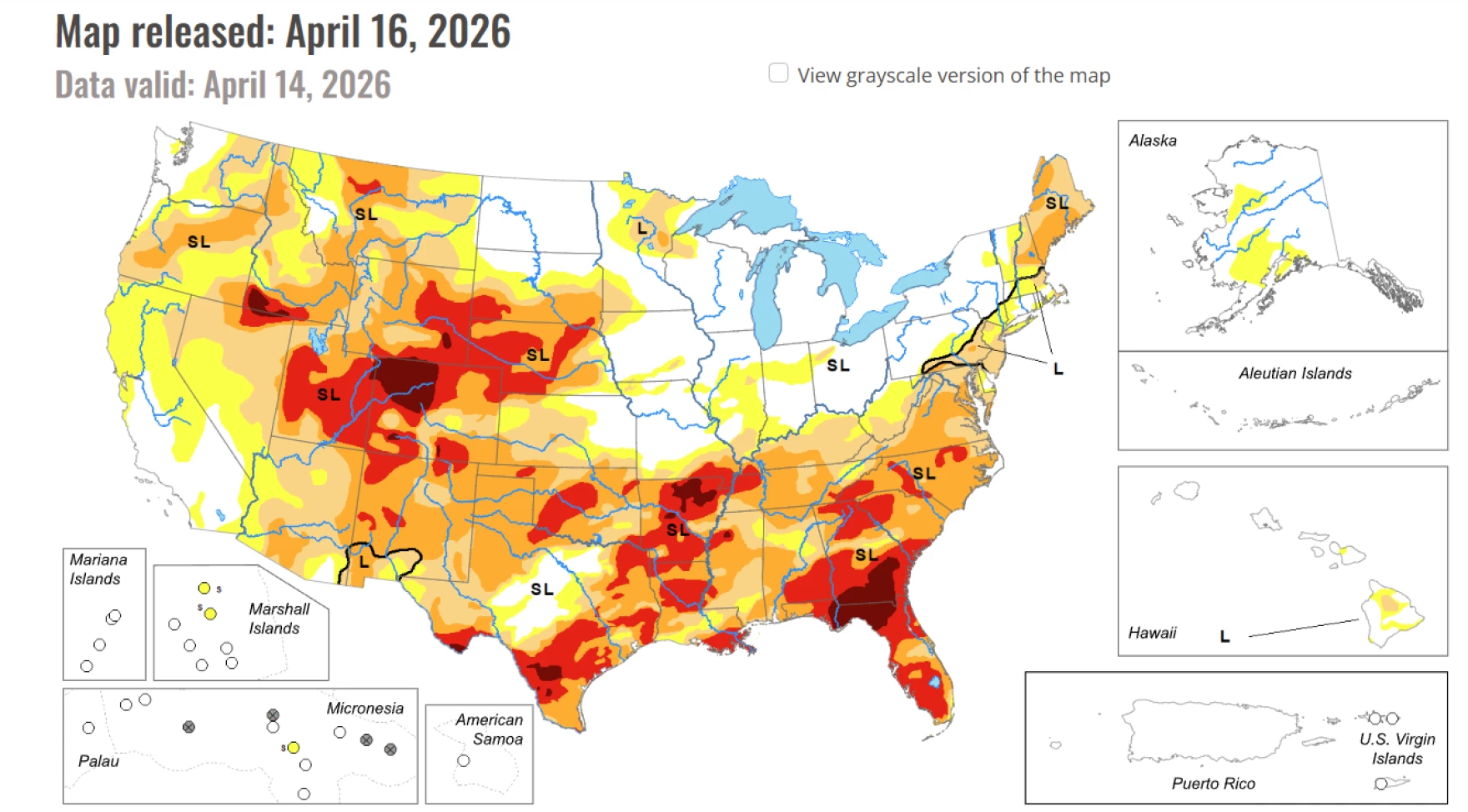
Rippey says the more moisture the atmosphere holds, the heavier rain, ice and snowstorms are becoming. At the same time, parts of the U.S. are experiencing warmer, drier winters. That’s setting the stage for large wildfires.
These extreme weather events can have serious consequences for farmers like Jankoviak. This month’s extensive flooding in Cheboygan will delay the Harvest Thyme Farm’s planting season, she said.
“A quarter of our beds are underwater right now,” Jankoviak said. “We’ll have to push things back at least two weeks.”
For now, she said, work on the farm is slow going, as they wait for the floodwaters to recede.
Massive wildfires
When the horizon turned into a glowing pink haze in March, Larry Burgess knew fire was headed his way.
Burgess, a rancher in Ashby, Nebraska, said the winds were working in his favor at first, but things changed quickly.
“The wind was forecasted to turn to the south,” he recalled. “I knew we’d be in trouble then.”
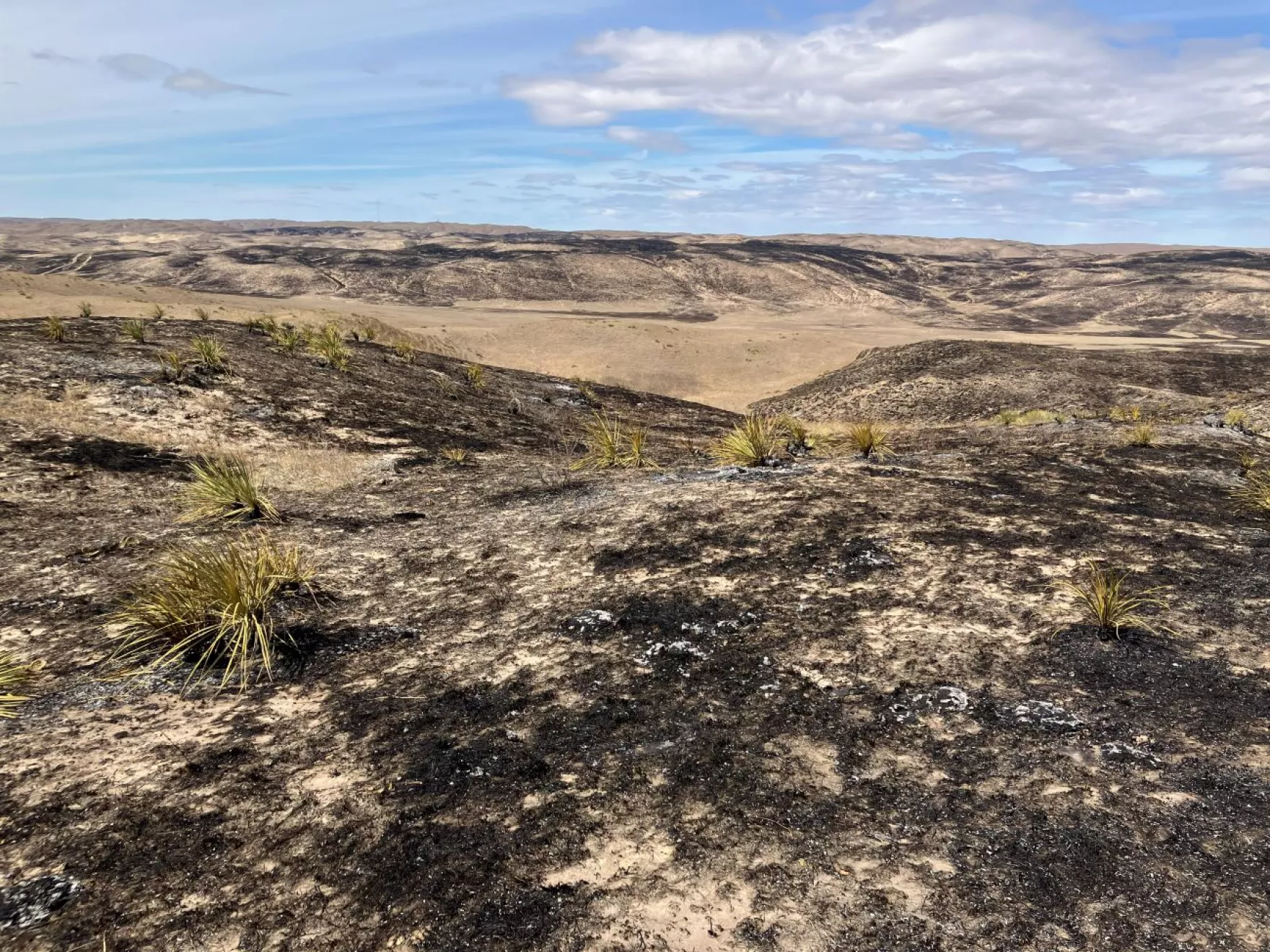
Burgess’ western Nebraska ranch lost 2,500 acres of pastureland to this year’s wildfires. Some farmers lost livestock, while others are shipping away thousands of cows because they no longer have enough grazing pasture.