From Texas Public Radio:
Editor’s note: The names of all of the students and parents in this story are pseudonyms to protect their privacy.
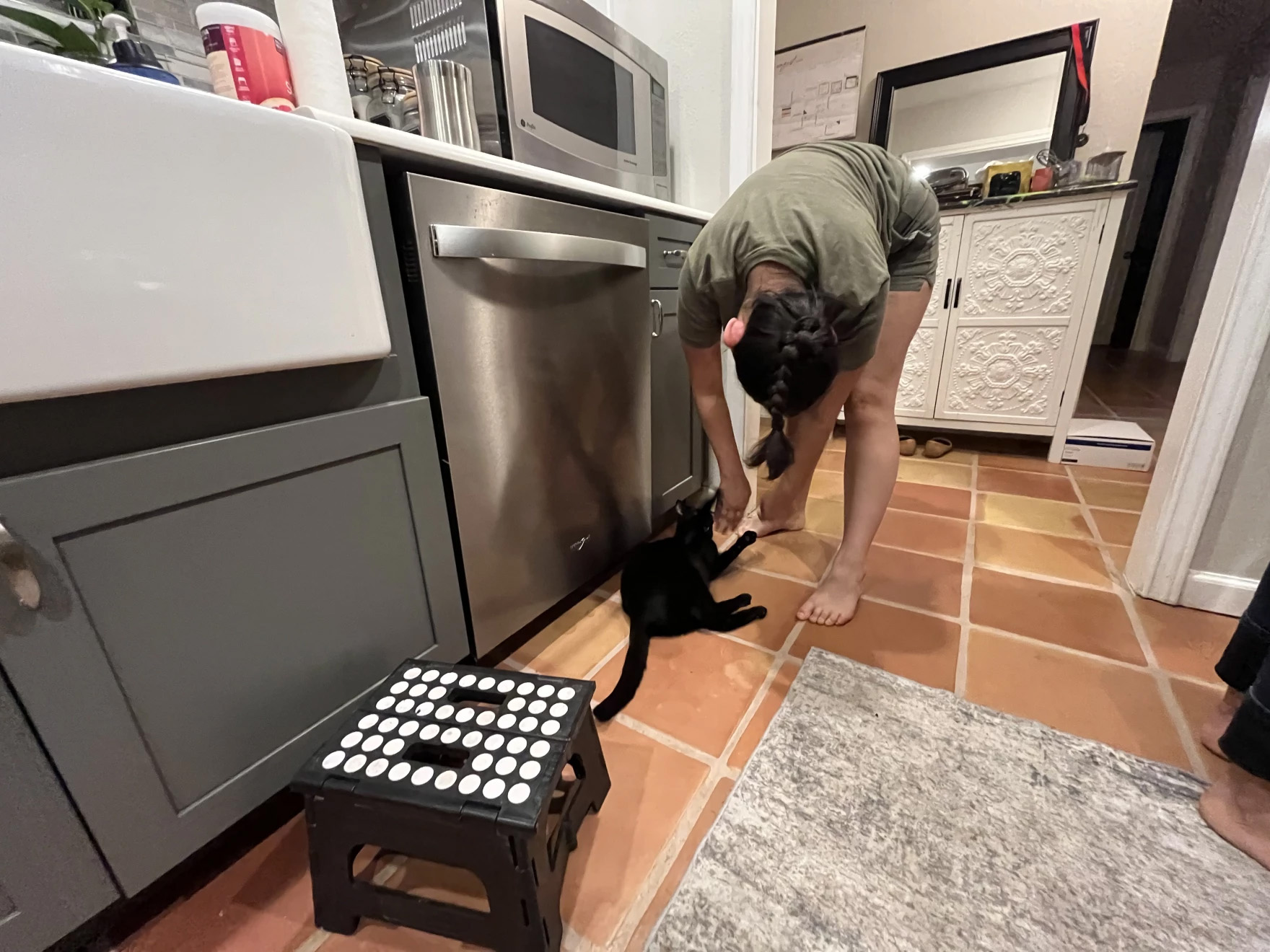
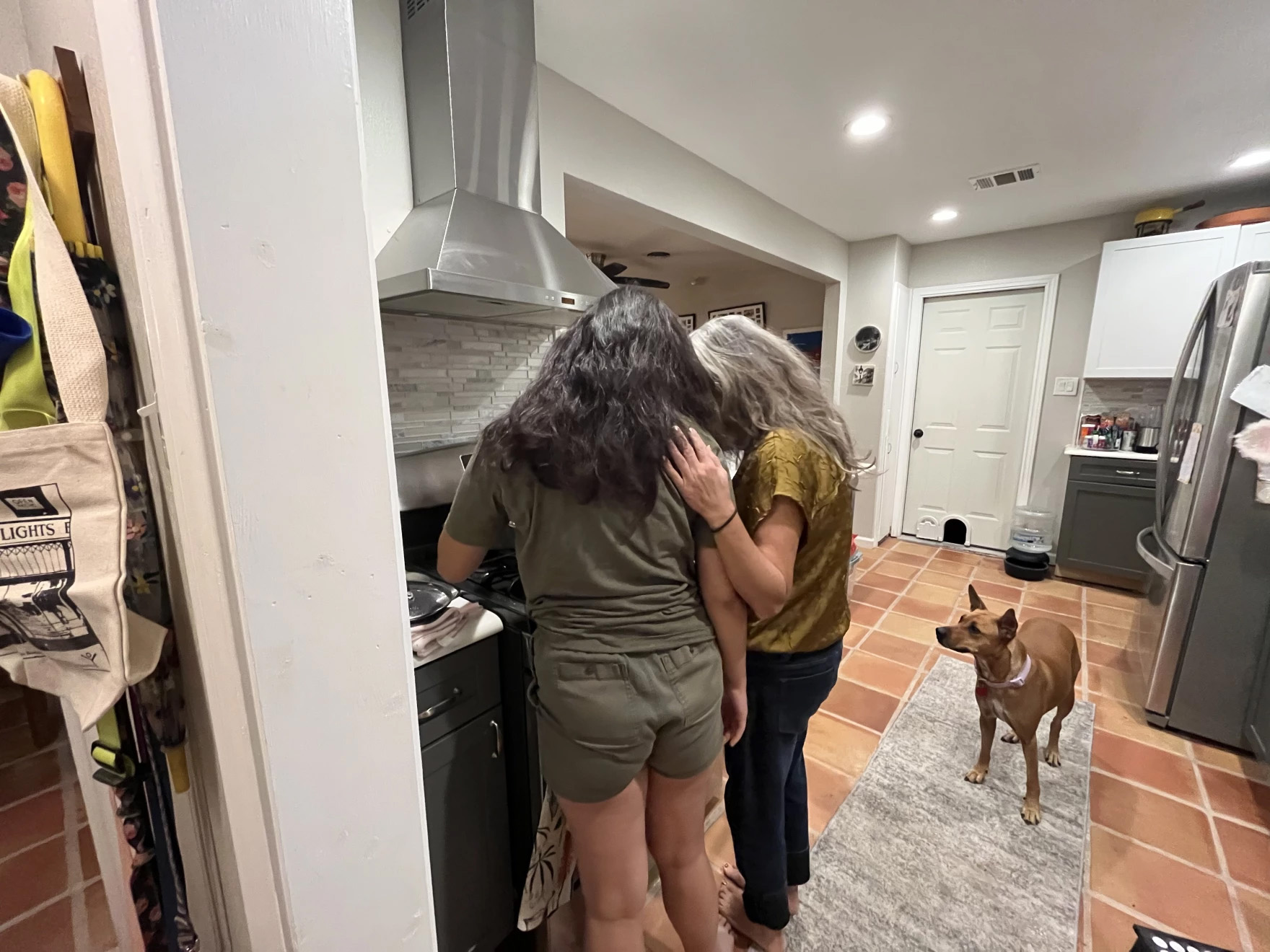
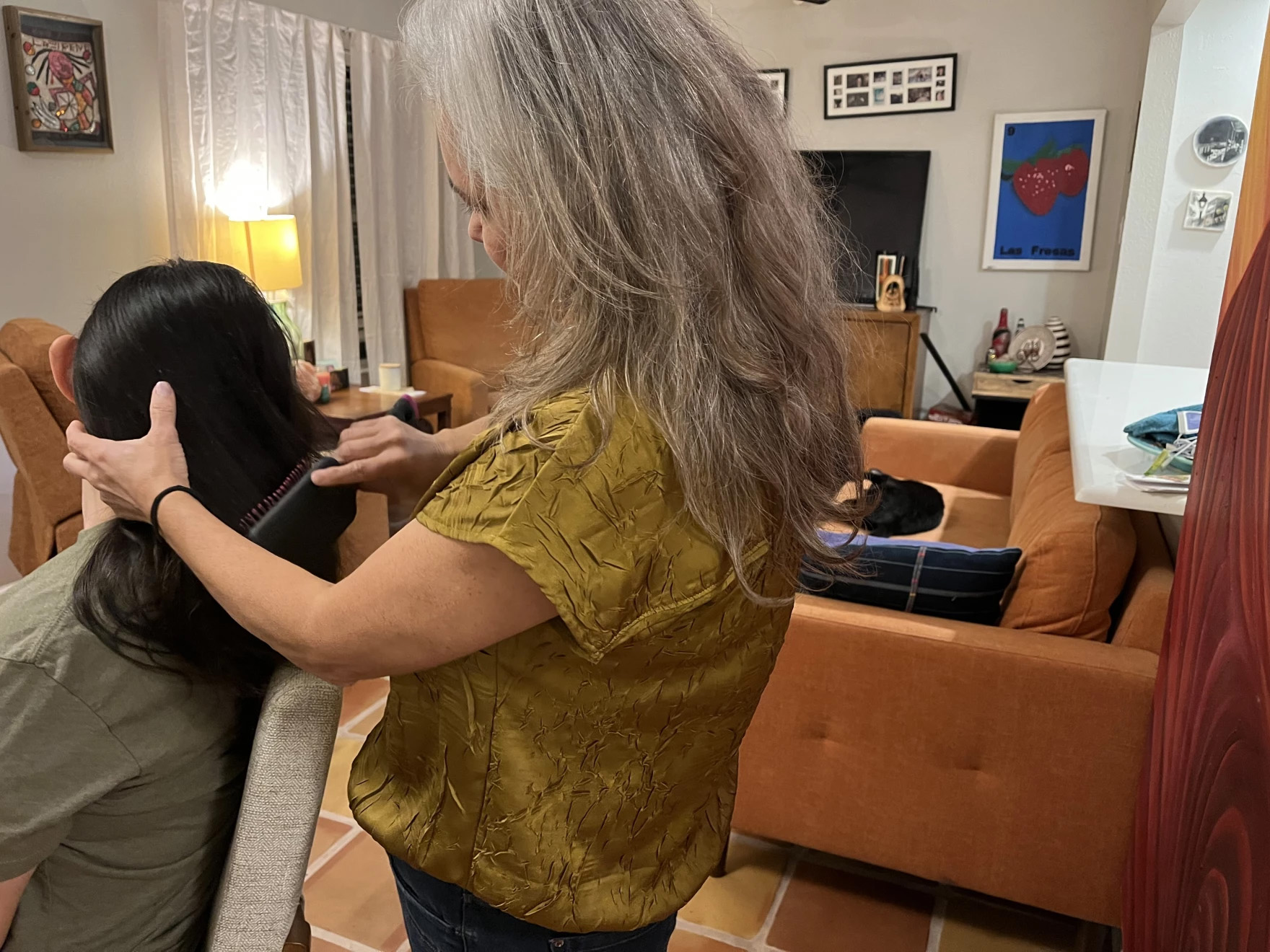
After dinner on a recent school night, 16-year-old Ace sat in a dining room chair while their mom, Mara, brushed and braided their hair.
It’s a familiar ritual – something they do every time Ace performs with their high school dance team.
“You do all the mom things,” Ace said.
“I do all the mom things,” Mara agreed.
Ace loves being on the dance team. It’s an important part of who they are. But, this school year, another important part of their identity is being quashed.
“When everyone knows that you go by a different name, and no one can call you that, you get a lot of looks,” Ace said.
Ace is nonbinary, and everyone they know has called them by their chosen, gender-neutral name, since they were 9.
“I was a very, like, pretty pink princess little child, but I don’t think I ever really wanted to be a girl,” Ace said. “It didn’t fit.”
Ace’s preference is for their pronouns to be switched between she and they, but they said they’re used to being called she.
“I live in Texas, so I don’t exactly expect that much,” Ace said.
But, this year, their teachers have been told they can no longer call Ace by their chosen name. And that’s really getting under their skin.
Names and pronouns
In August, Ace’s school district, North East Independent School District in San Antonio, told employees that because of Senate Bill 12, they can only call students by names and pronouns that match the sex listed on their birth certificate.
For Ace, that means some teachers avoid calling them anything at all.
“They’ll be like, ‘It’s either your last name or I just don’t call on you.’ Or, like, ‘If I need you, I’ll point at you.’ So, in certain classes, I’m just on high alert, because I don’t know what the teacher will be feeling that day,” Ace said. “It’s really dehumanizing.”