“If we look back to 2018, the last time there was a government shutdown, it lasted 35 days from December 2018 to January of 2019,” Kidd said. “It did impact the economy. [The] estimated first-quarter gross domestic product was reduced by about $8 billion.”
While the federal government has shut down, many essential federal workers remain on the job unpaid.
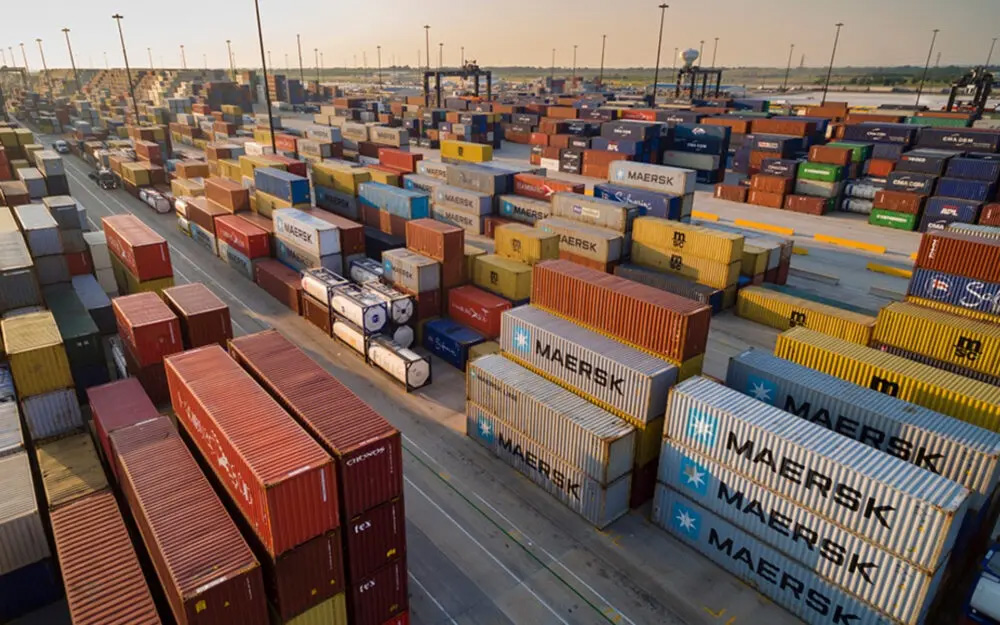
That includes roughly 63,000 of the 68,000 people employed by U.S. Customs and Border Protection (CBP), the agency that inspects cargo going through the Port of Houston and Texas’ 31 other official ports of entry. Any hold-ups bringing imported goods through customs should remain relatively brief, at least for now.
“I think the risk you have is just a little bit of slowdown in processing,” said Margaret Kidd, president of the Houston Maritime Center and Museum, and a lecturer in supply chain management at the University of Houston.
But that could change if the shutdown lasts more than a few weeks, said former Harris County Judge Ed Emmett, who is now a fellow in energy and transportation policy at Rice University’s Baker Institute for Public Policy.
“People used to really fear these shutdowns and say, ‘Oh … the country is going to come to a stop,’ and it hasn’t happened,” Emmett said. “The question becomes, though, of those essential government workers, they have to work, but they don’t get paid, and so if it drags on too long, at what point do they start having to call in sick or whatever?”
Emmett noted that customs brokers were already reporting processing delays even before the government shutdown began at midnight Eastern Time.
“What used to take an hour now takes three hours,” Emmett said. “Well, if you have a shutdown, and if that gets worse, then obviously that will delay a lot of traffic coming through the port.”
Delays can translate to financial losses for businesses that depend on those cargoes going through on schedule. The longer the delays, the bigger the losses. Those costs are typically passed on to consumers. The resulting supply chain disruptions can also translate to lost worker productivity or even layoffs. According to an analysis by the Texas Ports Association, Texas ports support roughly 2.5 million jobs statewide.