From the Texas Observer:
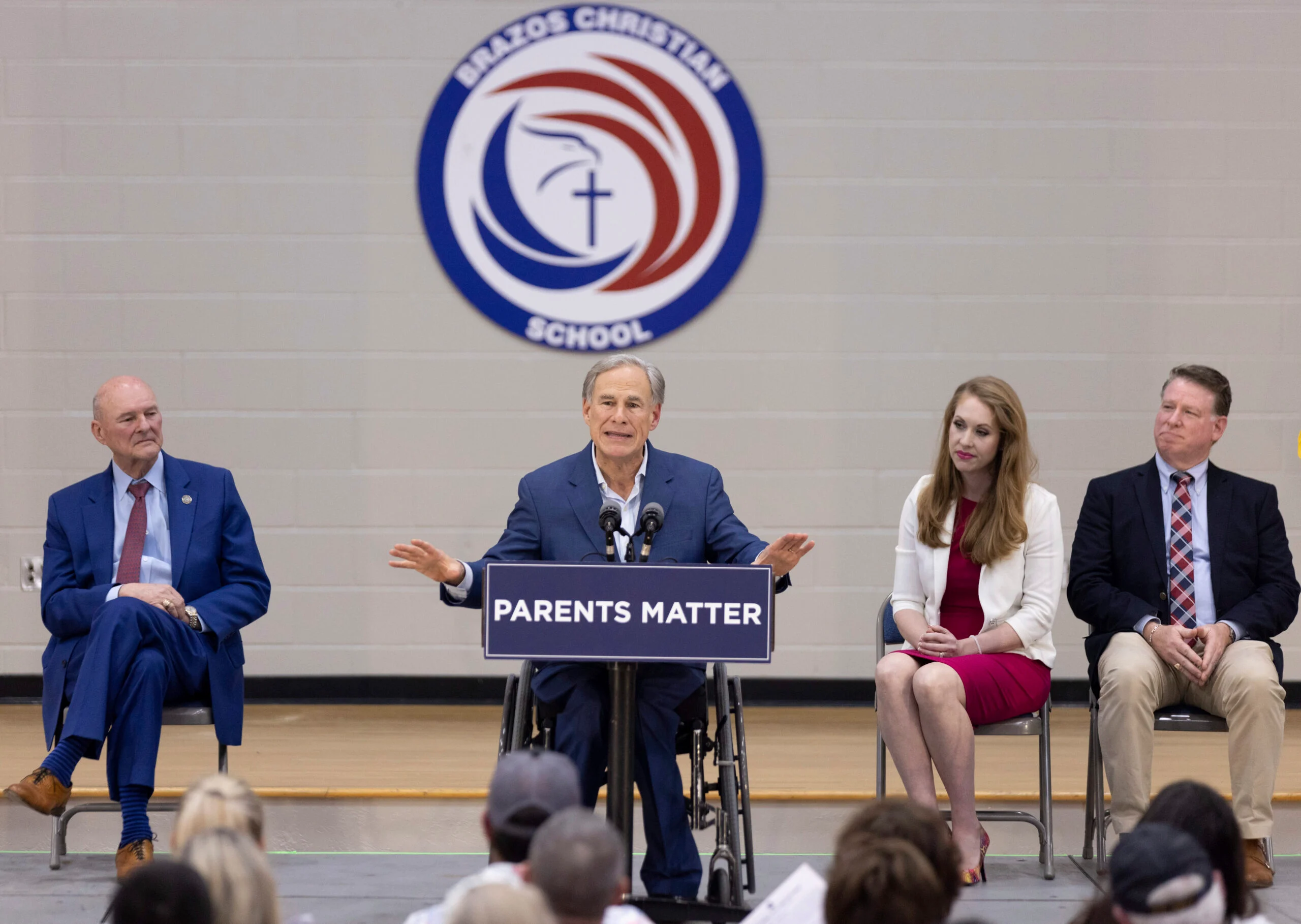
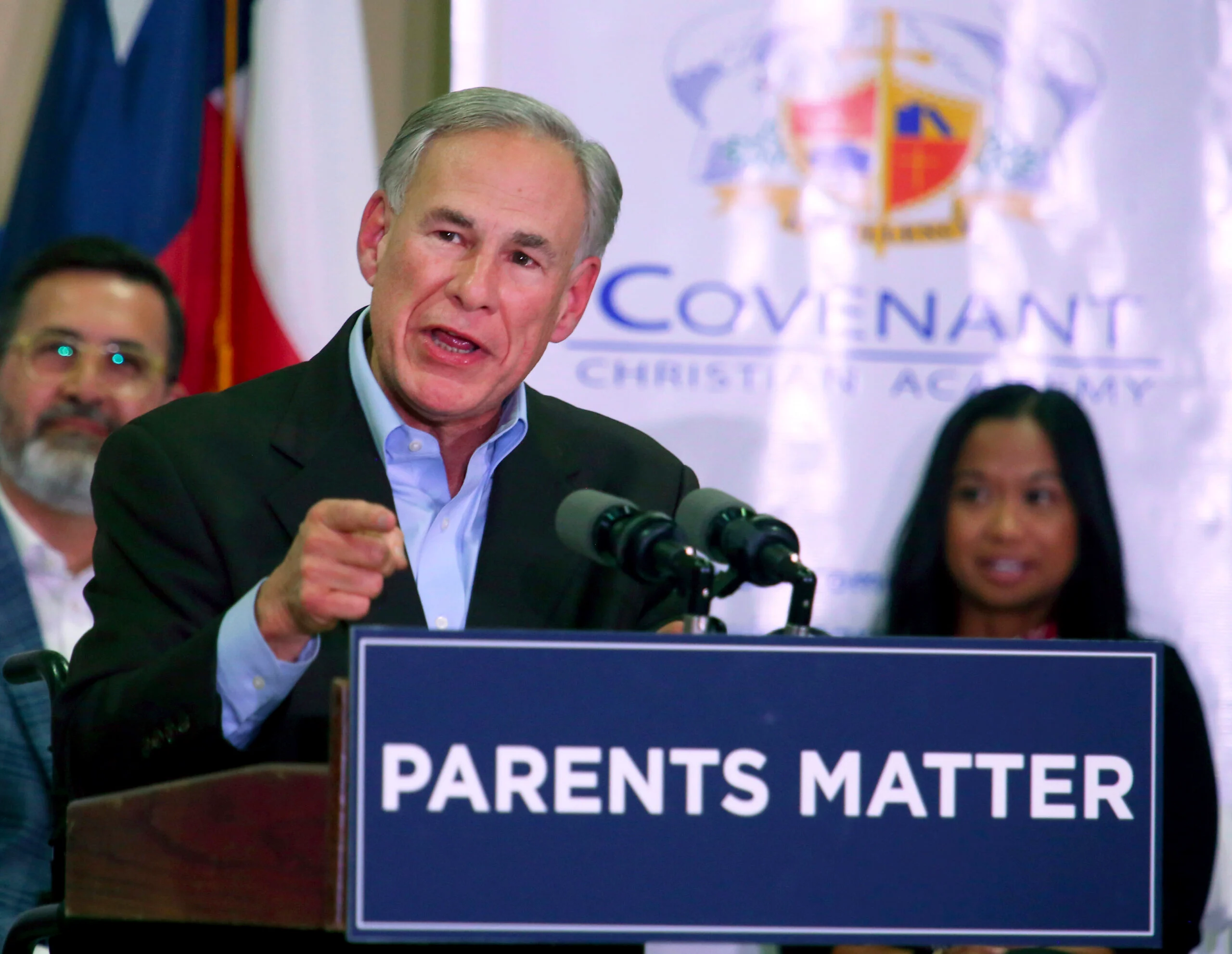
Upon signing school vouchers into law last May, Governor Greg Abbott pronounced that he had delivered “education freedom to every Texas family.” But the billion-dollar program, which opens to parents on February 4, has enrolled dozens of private schools that openly discriminate against Texas families on the basis of religion, sexual orientation, or gender identity, according to a Texas Observer analysis of information gathered from the schools’ websites and handbooks, and survey responses and phone calls with school leaders.
The Observer gathered information about all 291 schools selected by the state that offer education beyond the kindergarten level. More than 90 percent are affiliated with or owned by a religious or faith-based group, the analysis found. More than 100 of those schools require or prioritize for admission students of the same faith, and more than 60 have a written policy that discriminates against LGBTQ+ students, the schools’ own data shows.
The Texas Comptroller’s office announced December 22 that nearly 600 private K-12 and early pre-K schools had already been enrolled in the Texas Education Freedom Account (TEFA) program, as the state vouchers have been dubbed. But only about half that were listed on its website as of January 1 serve students beyond kindergarten. The comptroller’s office, which administers the voucher program, has not provided comment for this story.
About 70 percent of these schools are concentrated in the greater metropolitan areas of Houston, Dallas-Fort Worth, San Antonio, and Austin. Many rural Texas families will have no options; more than 180 of Texas’ 254 counties have no elementary, junior, or senior high schools enrolled so far.
Participating students in approved private schools will receive $10,474 for the 2026-27 school year—though students with special needs may receive up to $30,000 and homeschool students will receive $2,000. If applications for the voucher program exceed available funding, program rules state that the comptroller must prioritize applications of students with disabilities and lower incomes.
But these rules don’t guarantee student access to enrolled private schools.
The Observer’s analysis found that around a third of the schools enrolled in the program have a 2025-26 tuition that exceeds $10,474 and few offer special education services. Private schools generally increase rates every year, and the tuition excludes other fees and costs, such as registration, testing, sports, supplies, field trips, or uniforms.