Just west of downtown Austin, in what was established as the freedmen’s community of Clarksville, Don Baylor grew up playing baseball in the streets.
“There were no parks in Clarksville,” Baylor’s son, Don Baylor Jr., said. “They played in the street, they played in vacant lots. Sometimes they would go to Butler Park in South Austin to play. Clarksville had few amenities, but a lot of love.”
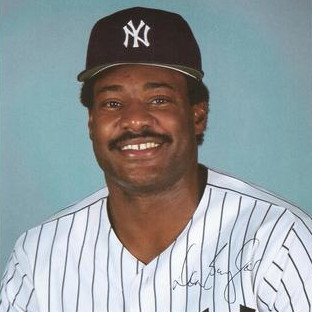
Don Baylor during his time with the New York Yankees. New York Yankees via tradingcarddb.com, Public domain, via Wikimedia Commons
Baylor’s reality reflects a microcosm of segregation-era Texas; Westenfield Neighborhood Park was readily available for Baylor and his friends, but they weren’t allowed to use the space and were forced to turn to unconventional spaces to play the sport they loved.
“Every time we would drive on Winstead, he would point out that park as being really a symbol of Jim Crow. That was where the water fountains were segregated, that’s where the bathrooms were segregated, but that’s also where he couldn’t go and play,” Baylor Jr. said. “That park has really deep significance not just for him, but I think for the whole family that grew up in Clarksville when that park was really off-limits.”
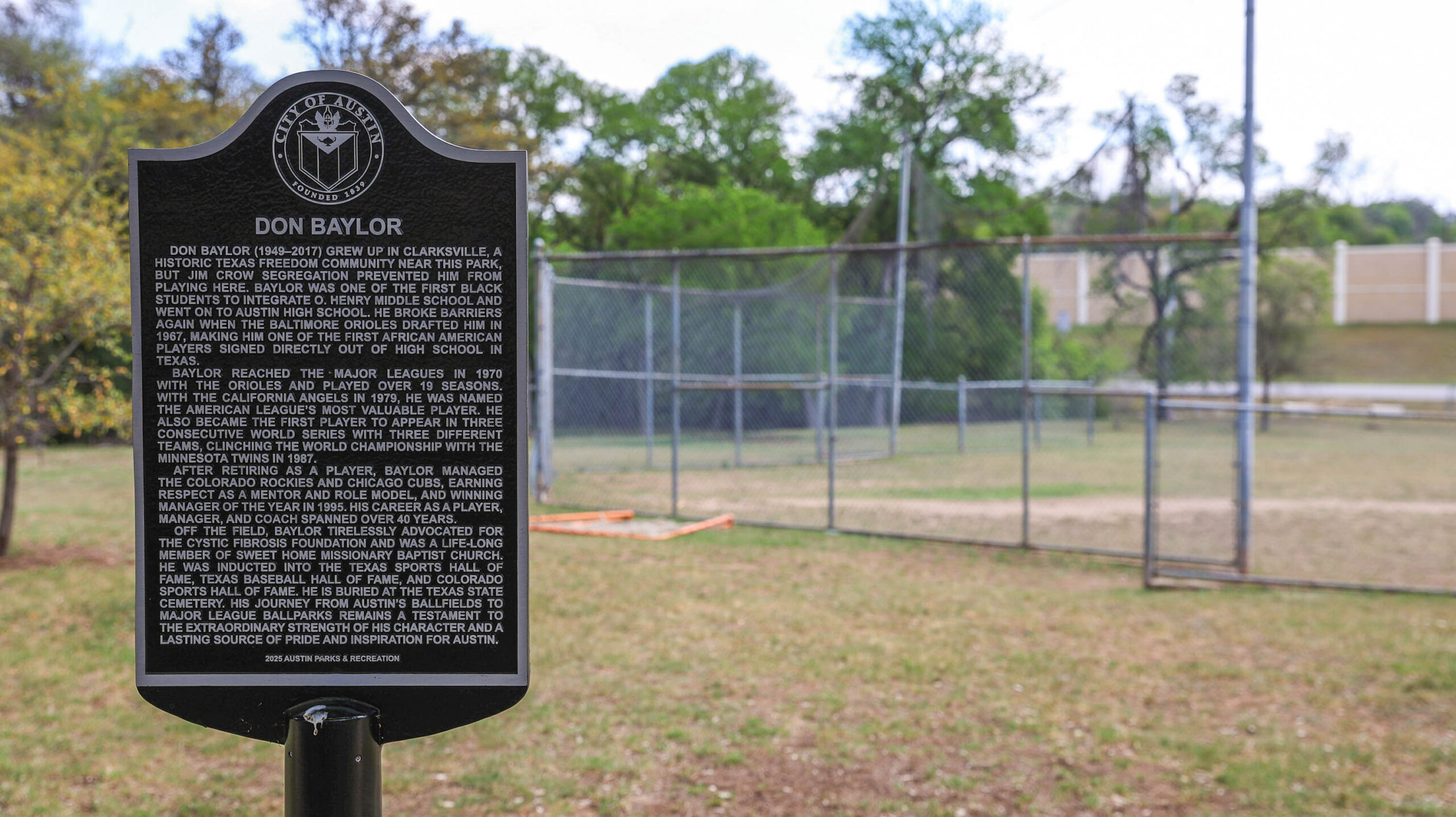
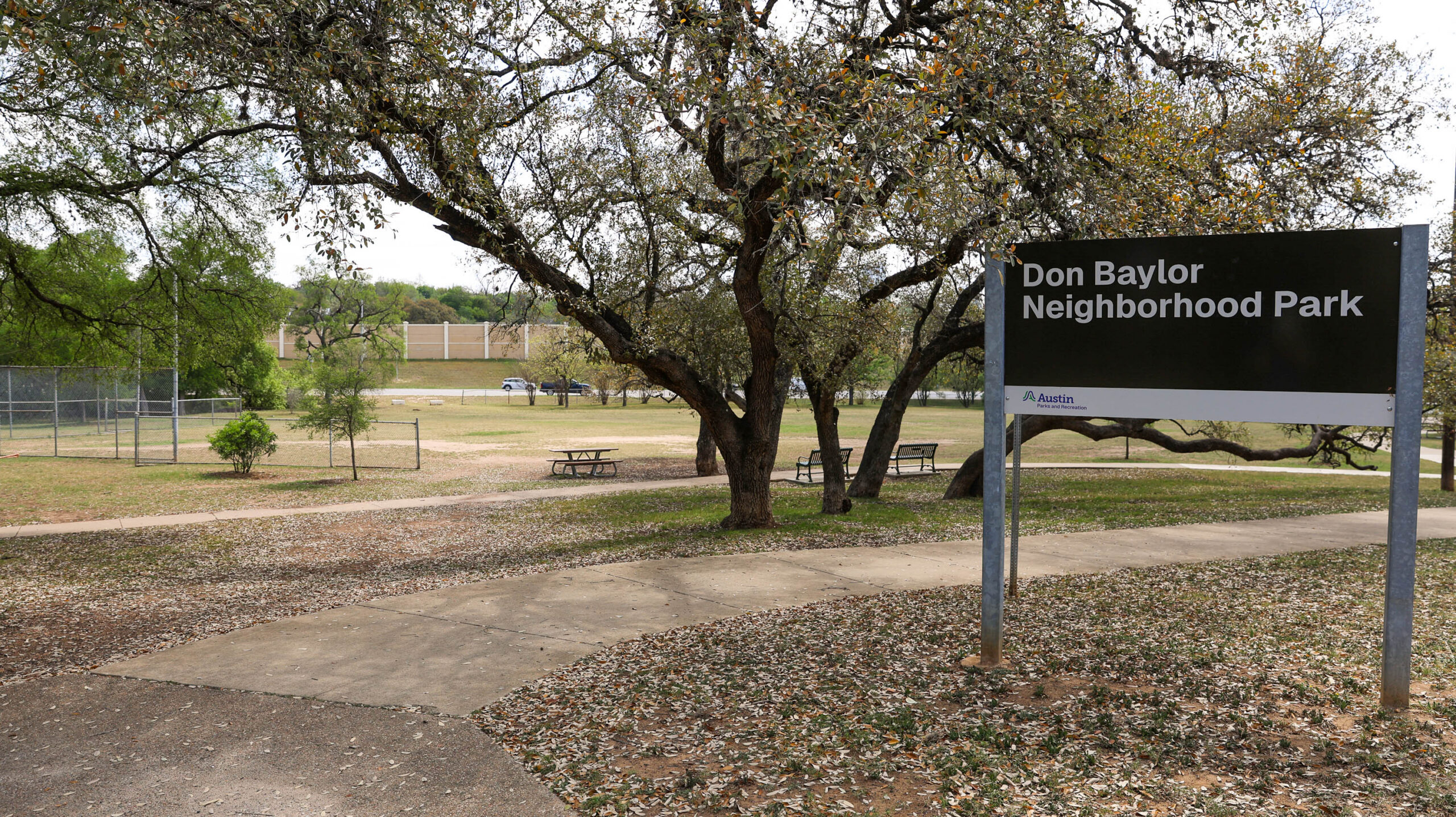
Now, Westenfield has been renamed, transforming into Don Baylor Neighborhood Park with an accompanying historical marker recognizing Baylor’s impact.
The 1979 AL MVP and 1995 NL Manager of the Year has been called one of the most impactful players of the later 20th century.
Baylor was the first player to appear in three consecutive World Series with three different teams. In 1986, Baylor lost to the Mets while on the Red Sox, but claimed a pennant in 1987 with the Twins. His fifth-inning homer in game six tied their score against the Cardinals, leading to the Twins to ultimate victory. He lost once more on the Athletics in 1988.
“Watching baseball, I probably thought that was the best team I’d ever seen up until that point,” Baylor Jr. said of the 1987 Twins.