Can you tell the difference between a male and female insect? Depends on the type.

Insect expert Wizzie Brown says there’s a reason only female ants, bees and wasps can sting.
  

By Laura RiceFebruary 24, 2026 1:25 pm, , ,

Wizzie Brown, a program specialist with the Texas A&M AgriLife Extension Service and Texas Standard’s go-to insect expert, is helping answer questions from kids about bugs.

She says when male and female insects look different, that is called sexual dimorphism – and this can happen in a variety of ways.

Size

A lot of times, females are going to be larger than the males.

A good example of that is walking sticks or stick insects. The females are very large, very elongated, and then the males are tee-tee tiny.

» RELATED: Six surprising facts about walkingstick insects
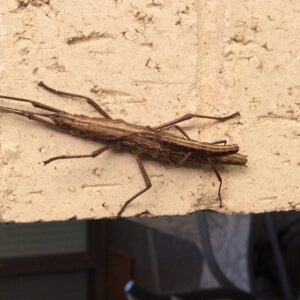
A close-up photo of a small brown walkingstick insect on the back of a larger one. They are perched on a light colored brick. The larger insect is the female.

Diego Giordano, CC BY-SA 4.0

A lot of times people will call me and they’re like, “Oh, I saw this mom with a little baby walking stick on her back.” That is not a mom and a baby. That is the male, which is on the back of the female. So the female is the very large one. The male is the tiny one.

With walking sticks, their eggs are dropped to the ground, and it takes usually two years for those eggs to hatch out, so the babies are nowhere near where the mom is.

Color

Another way that you can tell males from females is by coloration.

An example of this is the Eastern Tiger Swallowtail. The males are going to have yellow markings on the wings, whereas the females are going to either have yellow markings or some of them are just black with kind of very faint striping.
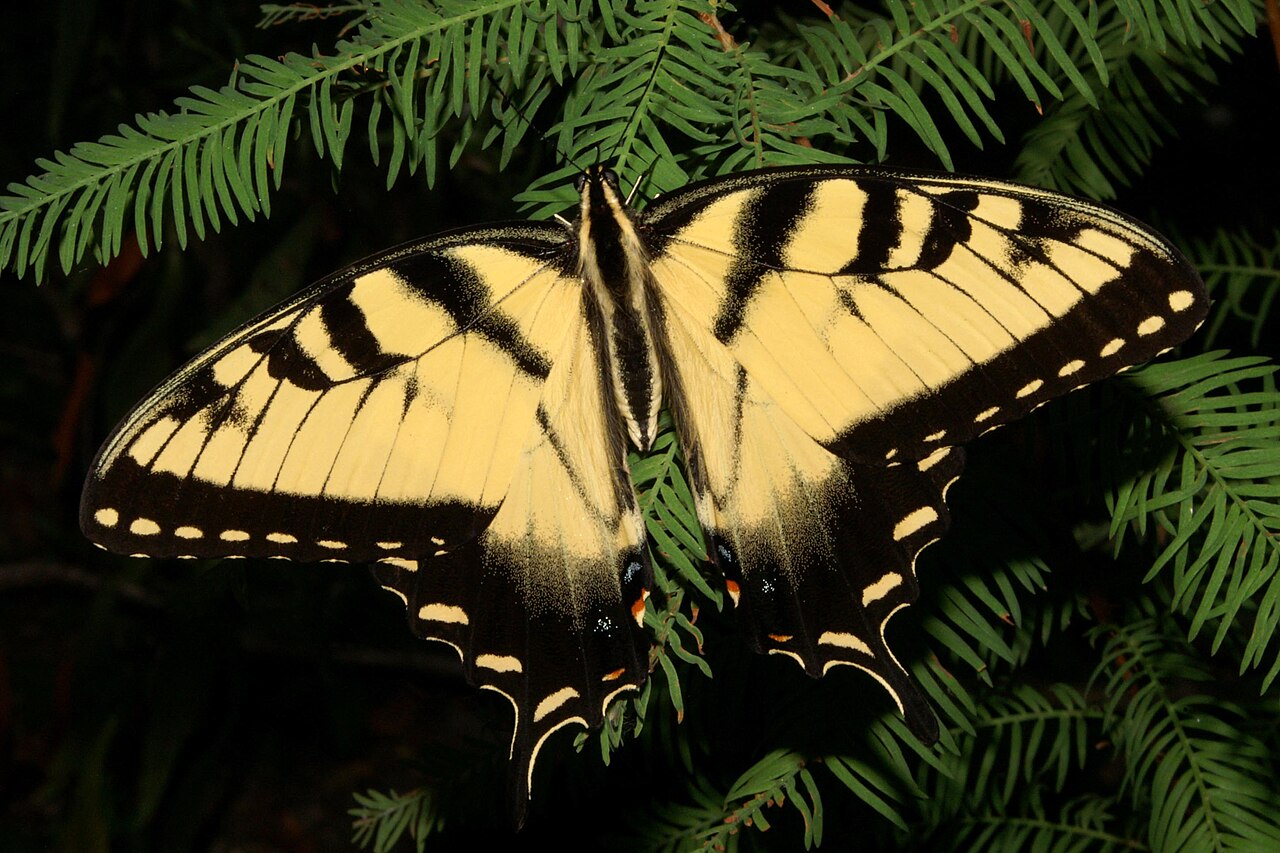

A male Eastern Tiger Swallowtail.

Antennae

Antennae can also help you possibly tell the difference between males and females.

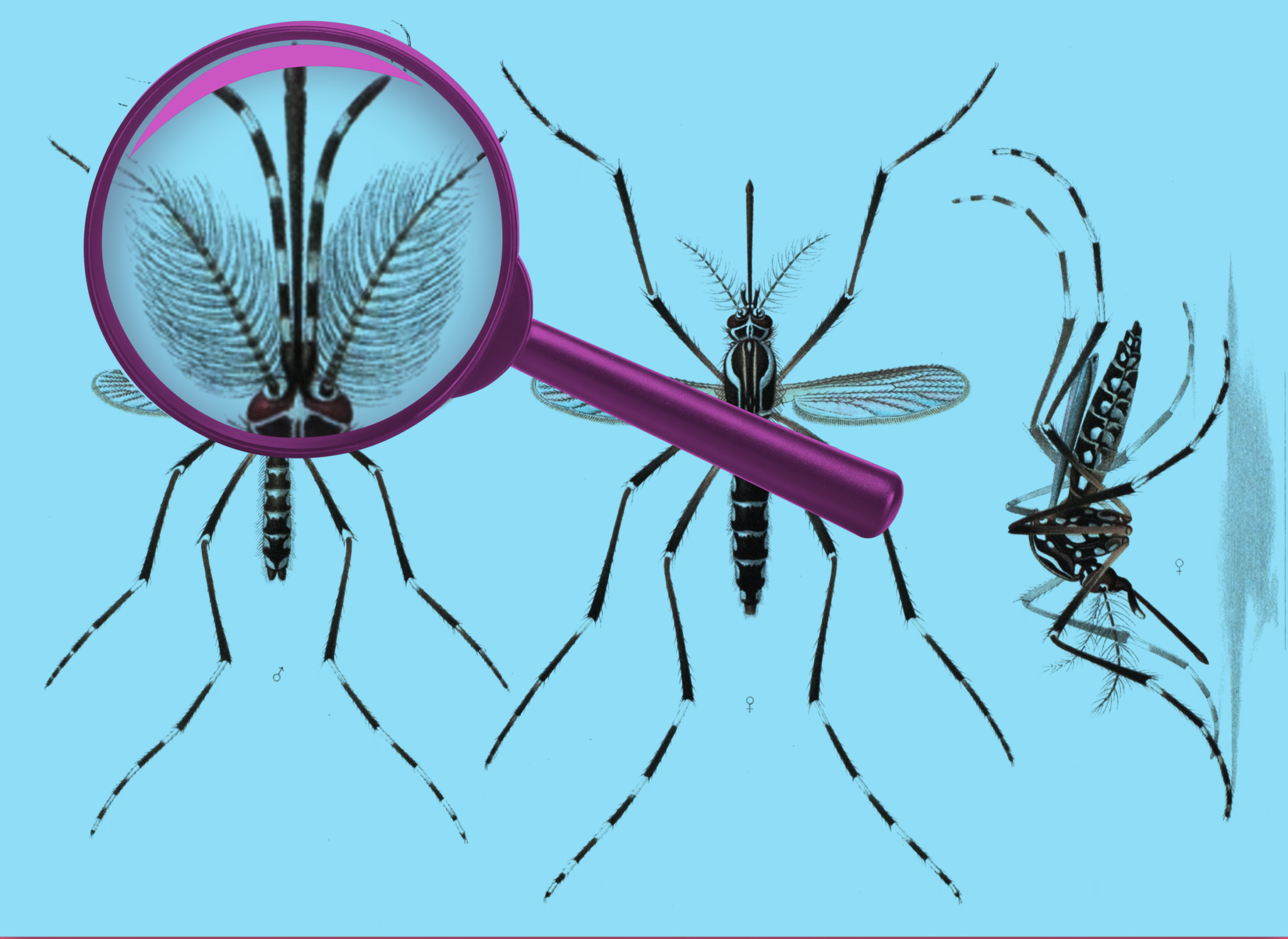
If you look at mosquitoes, male mosquitoes have feathery antennae and females are going to have straight antennae.

The males have feathery antennae because those are used as a way to pick up smells that are given off by the female to find them for mating purposes. And so what they’re doing with the feathery antennae is increasing the surface area so they can get into contact with those chemicals more.

» RELATED: Four reasons mosquitoes might like to bite you best

Genitalia

And then the last way that you can tell is going to be genitalia, or sexual organs, that come off the tip of the abdomen.

With females, they have a structure that’s called an ovipositor. If you think about wasps, that is going be the stinger on workers.

So only bees, wasps, and ants, if they are females, are they going to be able to sting you. The males cannot sting you because they do not have an ovipositor.

Do you have a bug question for Wizzie Brown? Drop us a line, and we’ll pass it along.

» RELATED: Chiggers, dung beetles and more: Our favorite bug stories of the past decade

If you found the reporting above valuable, please consider making a donation to support it here. Your gift helps pay for everything you find on texasstandard.org and KUT.org. Thanks for donating today.