From Inside Climate News:
INGLESIDE, Texas—The rediscovery of an ancient settlement site, sandwiched between industrial complexes on Corpus Christi Bay, has spurred a campaign for its preservation by Native American groups in South Texas.
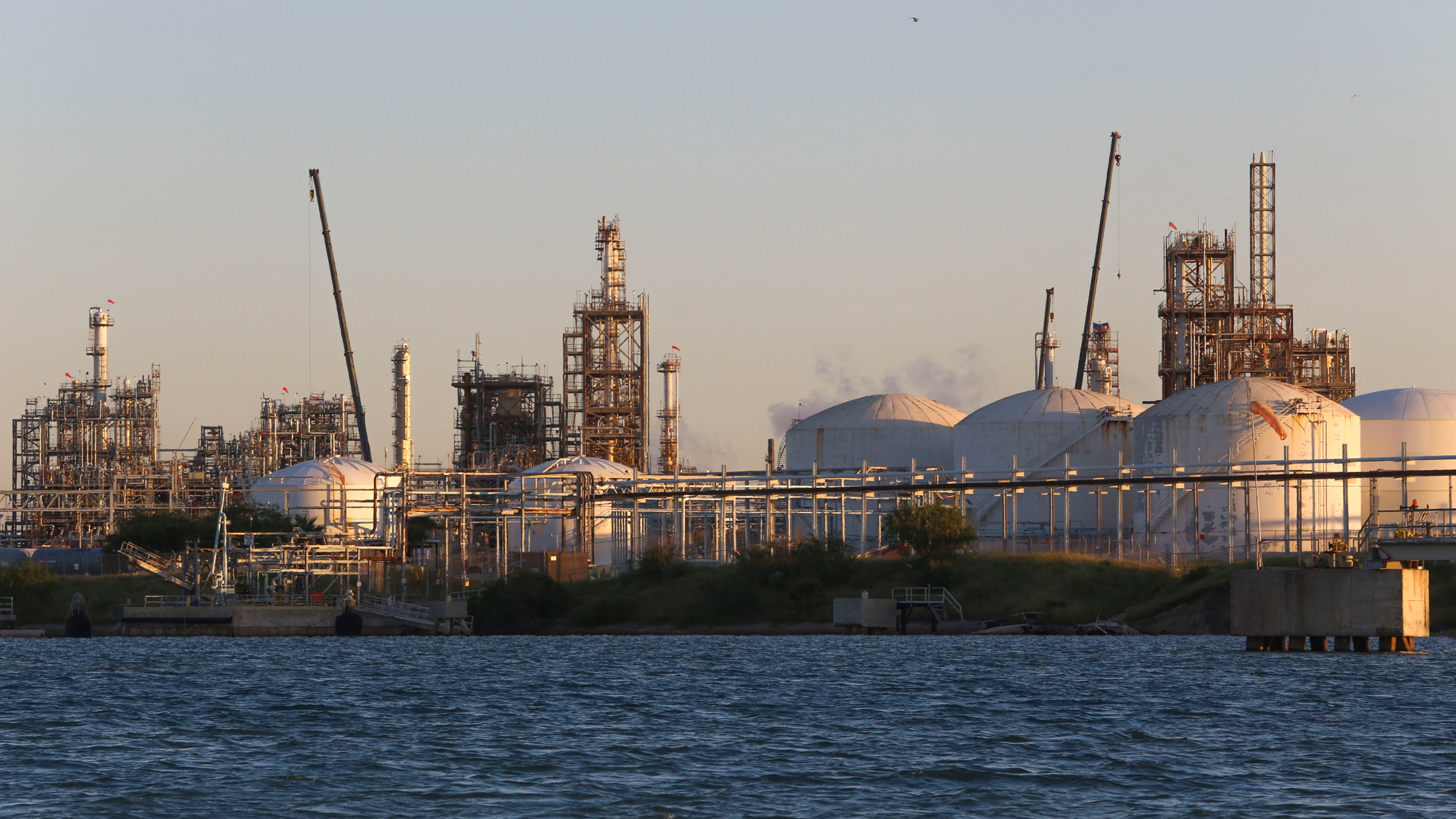
Hundreds of such sites were once documented around nearby bays but virtually all have been destroyed as cities, refineries and petrochemical plants spread along the waterfront at one of Texas’ commercial ports.
In a letter last month, nonprofit lawyers representing the Karankawa and Carrizo/Comecrudo Tribe of Texas asked the U.S. Army Corps of Engineers to revoke an unused permit that would authorize construction of an oil terminal at the site, called Donnel Point, among the last undisturbed tracts of land on almost 70 miles of shoreline.
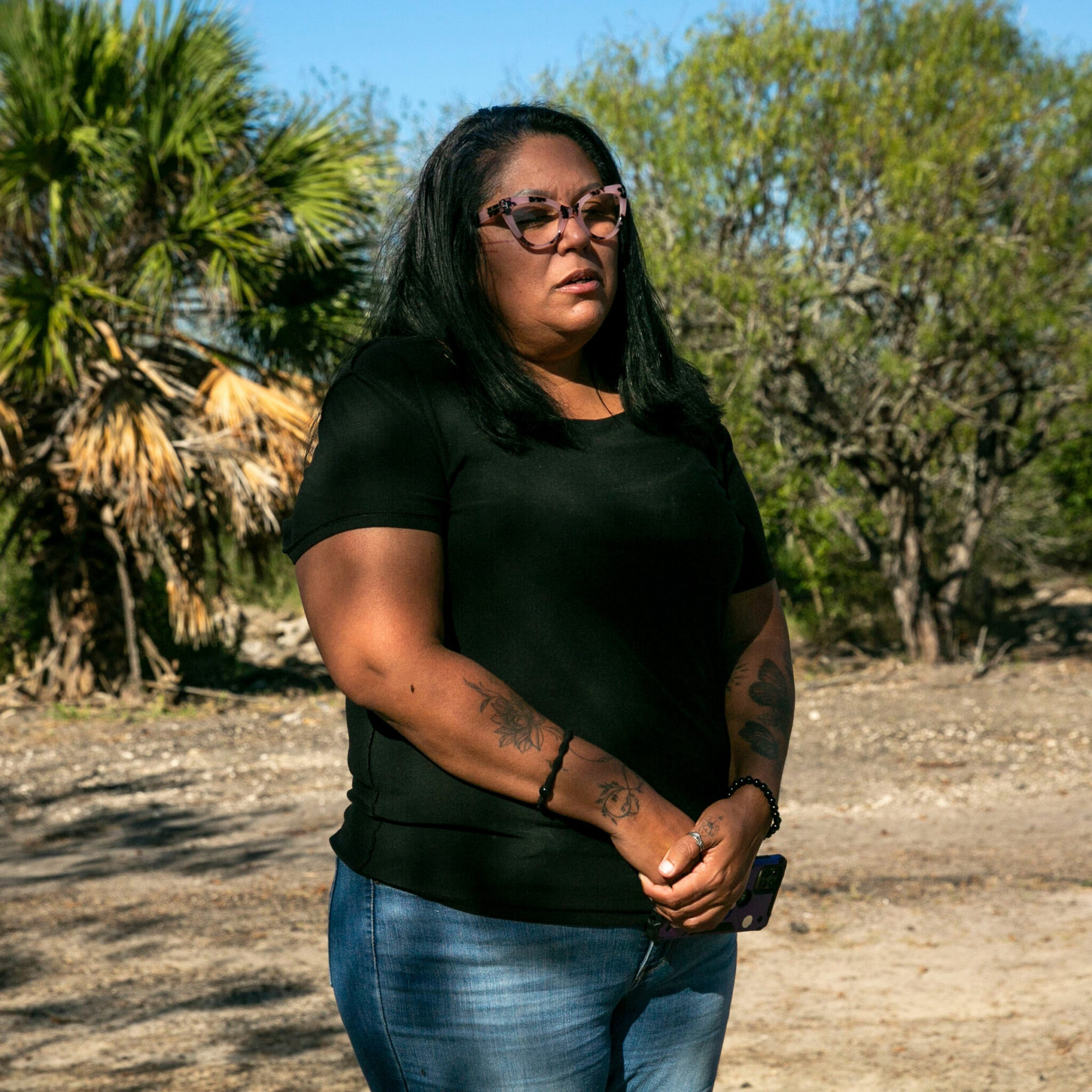
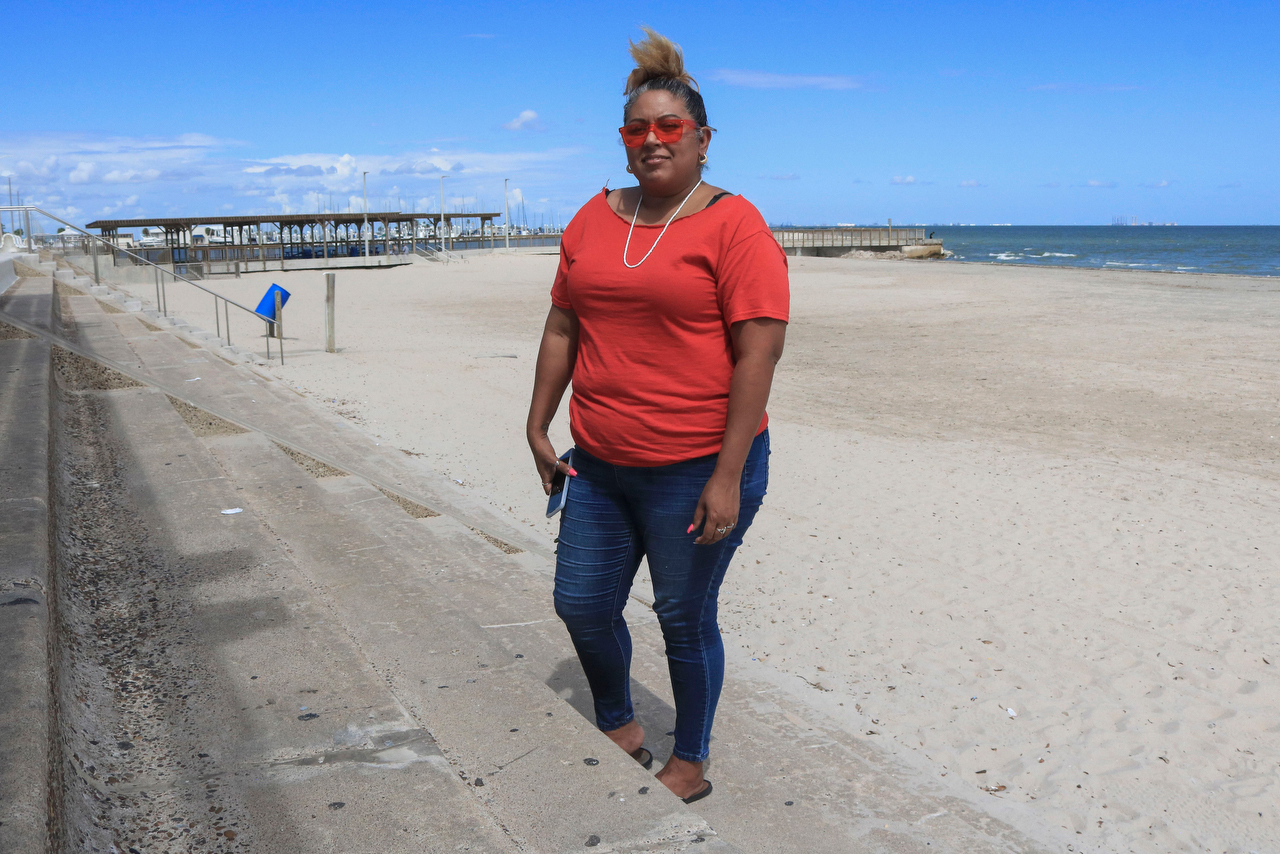
“We’re not just talking about a geographical point on the map,” said Love Sanchez, a 43-year-old mother of two and a Karankawa descendent in Corpus Christi. “We’re talking about a place that holds memory.”
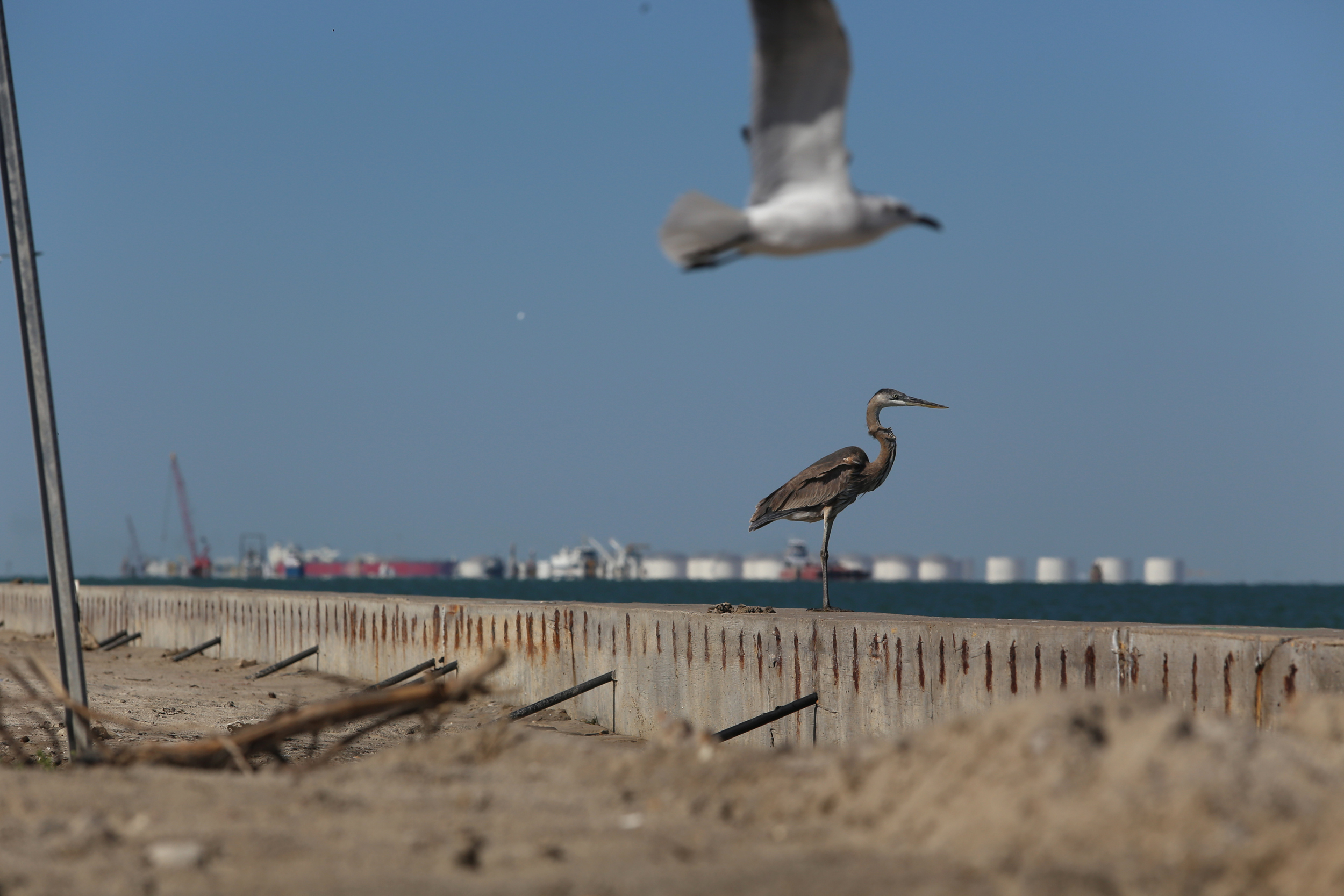
The site sits on several hundred acres of undeveloped scrubland, criss-crossed by wildlife trails with almost a half mile of waterfront. It was documented by Texas archaeologists in the 1930s but thought to be lost to dredging of an industrial ship canal in the 1950s. Last year a local geologist stumbled upon the site while boating on the bay and worked with a local professor of history to identify it in academic records.
For Sanchez, a former office worker at Texas A&M University-Corpus Christi, Donnel Point represents a precious, physical connection to a past that’s been largely covered up. She formed a group called Indigenous Peoples of the Coastal Bend in 2018 to raise awareness about the unacknowledged Indigenous heritage of this region on the middle Texas coast.
The names and tales of her ancestors here were lost to genocide in Texas. Monuments now say her people went extinct. But the family lore, earthy skin tones and black, waxy hair of many South Texas families attest that Indigenous bloodlines survived. For their descendents, few sites like Donnel Point remain as evidence of how deep their roots here run.

“Even if the stories were taken or burned or scattered, the land still remembers,” Sanchez said.
The land tells a story at odds with the narrative taught in Texas schools, that only sparse bands of people lived here when American settlers arrived. Instead, the number and ages of settlement sites documented around the bay suggest that its bounty of fish and crustaceans supported thriving populations.
“This place was like a magnet for humans,” said Peter Moore, a professor of early American history at Texas A&M University-Corpus Christi who identified the site at Donnel Point. “Clearly, this was a densely settled place.”
There’s no telling how many sites have been lost, he said, especially to the growth of the petrochemical industry. The state’s detailed archaeological records are only available to licensed archaeologists, who are contracted primarily by developers. A few sites were excavated and cataloged before they were destroyed. Many others disappeared anonymously. Their remains now lie beneath urban sprawl on the south shore of Corpus Christi Bay and an industrial corridor on its north.
“Along a coastline that had dense settlements, they’re all gone,” Moore said.
The last shell midden
Rediscovery of the site at Donnel Point began last summer when Patrick Nye, a local geologist and retired oilman, noticed something odd while boating near the edge of the bay: a pile of bright white oyster, conch and scallop shells spilling from the brush some 15 feet above the water and cascading down the steep, clay bank.
Nye, 71, knew something about local archaeology. Growing up on this coastline he amassed a collection of thousands of pot shards and arrowheads (later donated to a local Indigenous group) from a patch of woods near his home just a few miles up the shore, a place called McGloins Bluff.