Mark Gardiner stood on the hill he calls “the high and lonesome” on his 48,000-acre ranch.
The lookout near the Oklahoma-Kansas state line opens up to a sea of sagebrush prairie, a hospitable home for deer, badgers, songbirds, dragonflies and other wildlife.
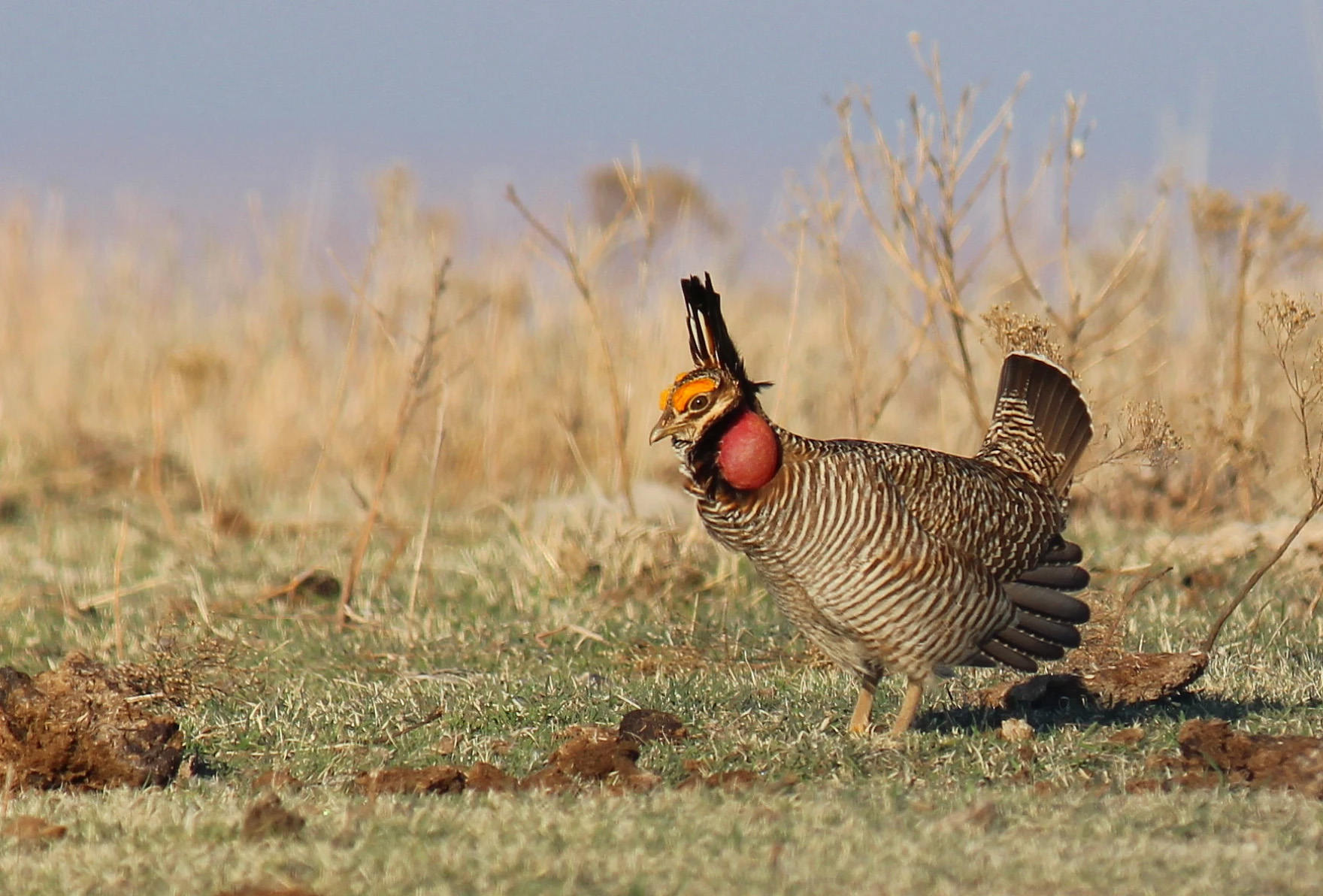
Those who stick around long enough on the Gardiner Angus Ranch may also spot a lesser prairie chicken.
“I love them. I like seeing them,” Gardiner said. “I mean, you’re riding a horse across here and ever since I was a little kid, they fly off like a pheasant … it’s pretty cool to see them.”
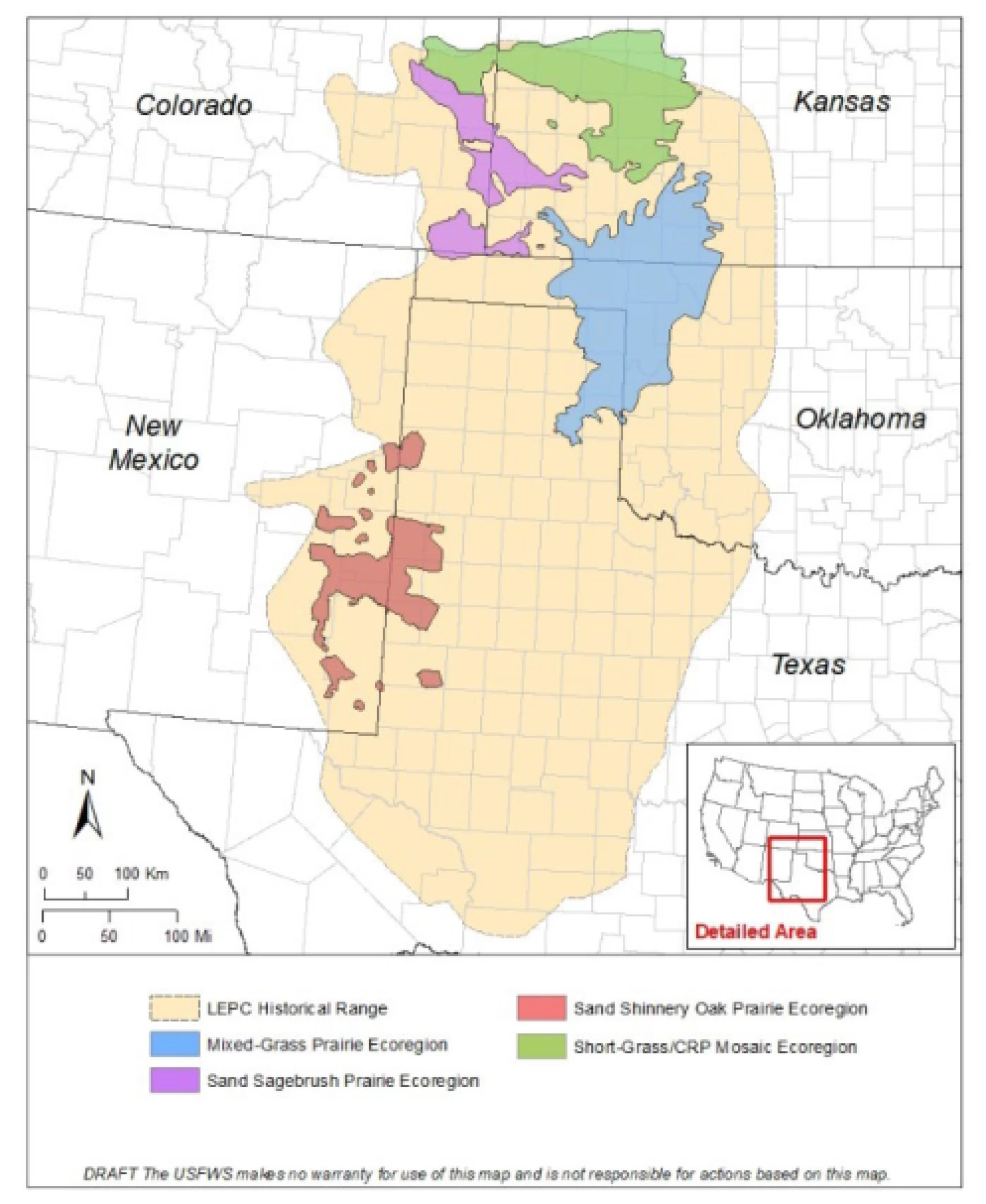
The U.S. Fish and Wildlife Service estimates millions of lesser prairie chickens may have once scurried across a range of almost 100 million acres across the Great Plains. Today, scientists estimate there are only about 27,000 left in five states – Kansas, Oklahoma, Texas, New Mexico and Colorado. The bird has lost about 90% of its habitat due in part to land development, the spread of invasive trees on prairies, renewable energy projects and oil and gas activity.
Despite its plummeting numbers, the federal government has reversed protections for the species twice, most recently this summer after a court decision.
Now that work will fall to state and individual landowners.