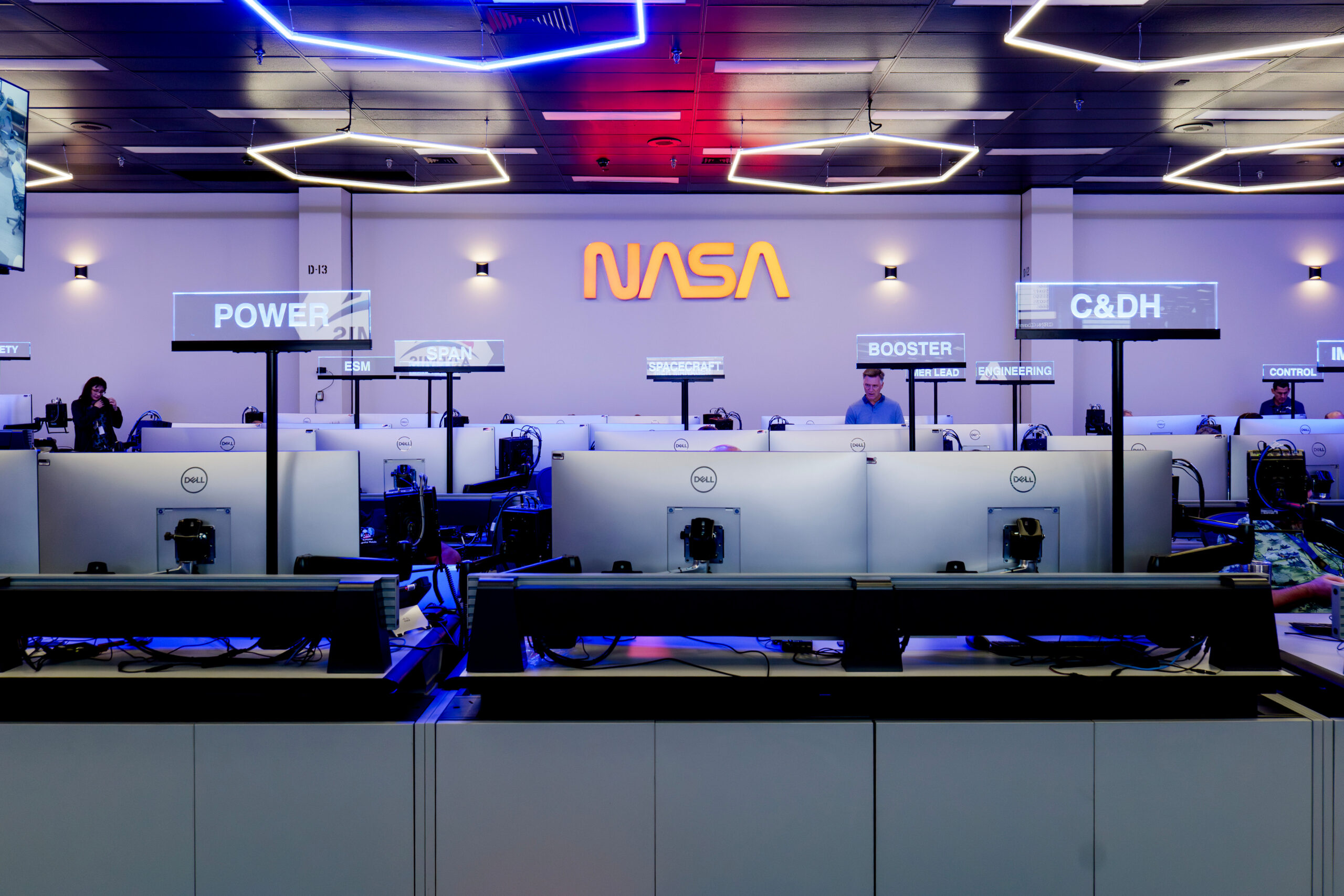
NASA is hiring new talent to rebuild its core competencies and meet the agency’s aggressive moon deadlines.
But this push to staff up comes just two months after thousands of civil servants received their final paycheck from last year’s buyouts.
Andrea Leinfelder, who covers space for the Houston Chronicle, said NASA hasn’t released specific numbers for how many people it wants to hire.
“When I asked if people who took the buyouts would be eligible to apply, they said that they’d look for people with a broad background of experience, including those who previously worked in the government,” she said. “Which made me believe that if you took the buyout last year, you could apply.”
However, Leinfelder said part of the purpose of the buyouts was to free up space to bring in new talent and skillsets.
“I spoke of one guy who said the way it was handled was not very good, and it was a turbulent year for those who did take the buyout,” she said. “But could give a chance to have some people from the private sector get into NASA and kind of cross-pollinate a little bit.”
The current hiring push represents two initiatives, Leinfelder said. The first is to hire people to bring work being done by contractors back in-house. The second is called NASA Force, which is part of the U.S. Tech Force initiative.
“NASA Force is really aimed at trying to get people from the private sector to come in just for a two-year term and elevate the workforce at NASA,” she said.
These new roles will help NASA meet its deadlines for upcoming Artemis missions. Artemis 2 will be a 10-day journey around the moon, and Artemis 4 is planned to land on the moon.
“The new administrator, Jared Isaacman, wants to launch more often because it’s been more than three years since the first time this rocket launched and that’s a long time to let your muscle memory atrophy, right?” Leinfelder said. “You need to do it more often if you’re ever gonna be truly good at anything.”
Leinfelder said it can be hard to get people to leave high-paying private sector jobs to work in a government role.
“Isaacman is trying to frame it like, come do a duty to your country for a few years then go back to the private sector,” she said.
Leinfelder said NASA’s hiring plans seem to indicate that the agency was not well served by the reduction in force efforts that took place last year.
“This new hiring push kind of acknowledges last year’s layoffs or buyouts or what have you were not suited to NASA’s long-term goals,” she said. “You can’t reduce your staff and then try to get to the moon before China. That’s just really difficult to do.
And so there’s acknowledgement there, but also I think a lot of people are energized under Jared Isaacman. He started in the role in December and he’s been moving fast. He’s bringing these new ideas. Everyone likes the goal of getting to the Moon faster and having more launches. So there’s a lot of optimism right now in the direction NASA’s going, but there’s also acknowledgement that last year’s buyouts probably weren’t best for the future of the agency.”