Public Domain Day marks the end of copyright protection for famous films, books and music

From Betty Boop to “The Maltese Falcon,” the new year brings a wealth of new works into the public domain.

By Shelly BrisbinJanuary 6, 2026 12:43 pm,

In a time when technology has made it easier than ever for anyone to reimagine a piece of music, a book, or a film, and many artists battle to protect their copyrighted work from the algorithmic meat grinder, it’s worth celebrating a group of creative works that are now free for anyone to use, adapt and remix as they see fit. 

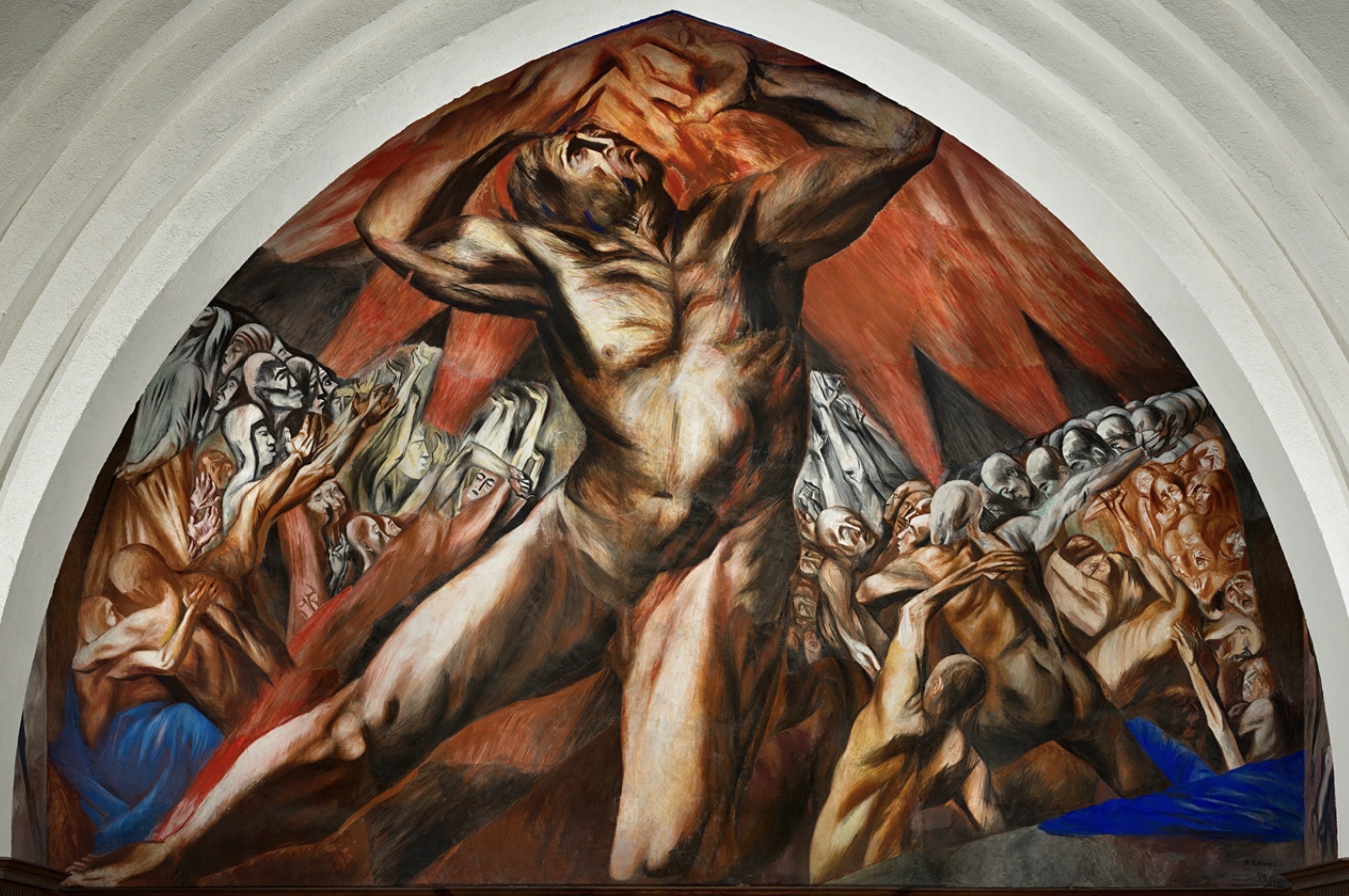
Jan. 1 marked the annual observance of Public Domain Day, when books, film, comics, musical compositions and art copyrighted in 1930, and sound recordings from 1925, became free for all to use. 

A personal connection

For me, this Public Domain Day marks a dividing line in time. 1930 is the year of my mother’s birth. So the way I imagine the modern world has always begun in that year.

Mom was, after all, the youngest of her siblings, and she’s the one who left the farm with her family before she was old enough to participate in the work of scratching out a living in rural Texas. 

From my mother, I learned to love film – sitting on the floor, watching old movies she’d grown up with. I became a passionate student of film history. And as I watched more movies made before and after that date, I found 1930 marks a bright line between early, clumsy attempts at sound filmmaking, and the era in which Hollywood studios and directors began making sight and sound masterpieces and all-talking epics. 

Greta Garbo first spoke on film in 1930. The movie was “Anna Christie,” made by MGM and frequent Garbo director, Clarence Brown. “Garbo Talks!” was the tagline. And now, creators are free to drop her throaty, Swedish-accented voice into their own creations.

Also in 1930, John Wayne donned his first spurs and cowboy hat for director John Ford in “The Big Trail,” and the Marx Brothers first cracked wise on film, in “Animal Crackers.”

Lewis Milestone’s “All Quiet on the Western Front,” which won a Best Picture Oscar, was a new kind of war film in 1930. It centered the experience of Germans being asked to fight in World War I. It’s still regarded among the most important anti-war films ever made. 

In a kind of copyright twofer, a film called “Cimarron,” and the book it was based on, are now in the public domain. The film was made in 1931, but it was copyrighted in 1930. The movie won the 1931 Oscar for Best Picture, and the book is by Edna Ferber, who would go on to write the Texas-based book and film epic, “Giant.”

William Faulkner’s “As I Lay Dying” enters the public sphere this year, along with Dashiell Hammett’s “The Maltese Falcon” (the book, not the film), and the first four Nancy Drew novels, by Carolyn Keene. 

For kids, there’s “The Little Engine That Could,” an illustrated edition by Watty Piper that has been popular for generations. And 1930 marked the first appearance of the familiar primary school characters, Dick and Jane, in “Elson’s Basic Reader.”

Cartoons and animated characters always attract remixers and adapters, as happened when the first Mickey Mouse cartoons became free to use a few years ago.

This year, there are nine new Mickey cartoons up for grabs, but the big news is Betty Boop, the bubbly, high-voiced girlie, who’s been reimagined frequently across the decades in advertising and fashion. But now, the original version from Fleischer Studios, a more audacious version of Betty – is free for all. Betty’s first appearance came in a short about a restaurant, called “Dizzy Dishes.”

Music copyright rules can be complicated. Music published in 1930 – the notes and lyrics – is now free to use. This year, that includes George and Ira Gershwin’s “I Got Rhythm” and “Embraceable You,” along with Hoagy Carmichael’s “Georgia On My Mind.” But the famous Ray Charles’ version of “Georgia,” recorded much later, and Ethel Merman’s and Ethel Waters’ versions “I Got Rhythm –  recorded first in 1930, by the way – are not. 

Copyright law has a special carve-out for sound recordings, giving them 100 years of protection, not the 95 for music compositions. This year, that means “St. Louis Blues,” recorded in 1925 by Bessie Smith, and featuring Louis Armstong, enters the public domain, along with civil rights pioneer Marian Anderson’s haunting version of “Nobody Knows the Trouble I’ve Seen.” 

There’s also Gene Austin’s “Yes Sir, That’s My Baby” and “Fascinating Rhythm,” recorded by Paul Whiteman and his orchestra.

Whiteman, by the way, is the subject of “King of Jazz,” an inventive and sometimes surreal 1930 film that also enters the public domain this year.

And if you’re wondering, those Whiteman songs within “King of Jazz” that hadn’t already been copyrighted are copyright-free now because the law says sound recordings that are part of a film fall under the same rules that the film, itself, does. 

If you found the reporting above valuable, please consider making a donation to support it here. Your gift helps pay for everything you find on texasstandard.org and KUT.org. Thanks for donating today.