Millions of dollars in federal funding is set to expire next year for the 988 Suicide & Crisis Lifeline. It launched in 2022 as an easy-to-remember three-digit number for people experiencing a mental health crisis anywhere in the U.S. to call and be connected with a counselor.
The adoption of a shortcut to reach the suicide prevention hotline — which could previously only be contacted using a 10-digit number — and the accompanying public awareness campaign led to a surge in calls.
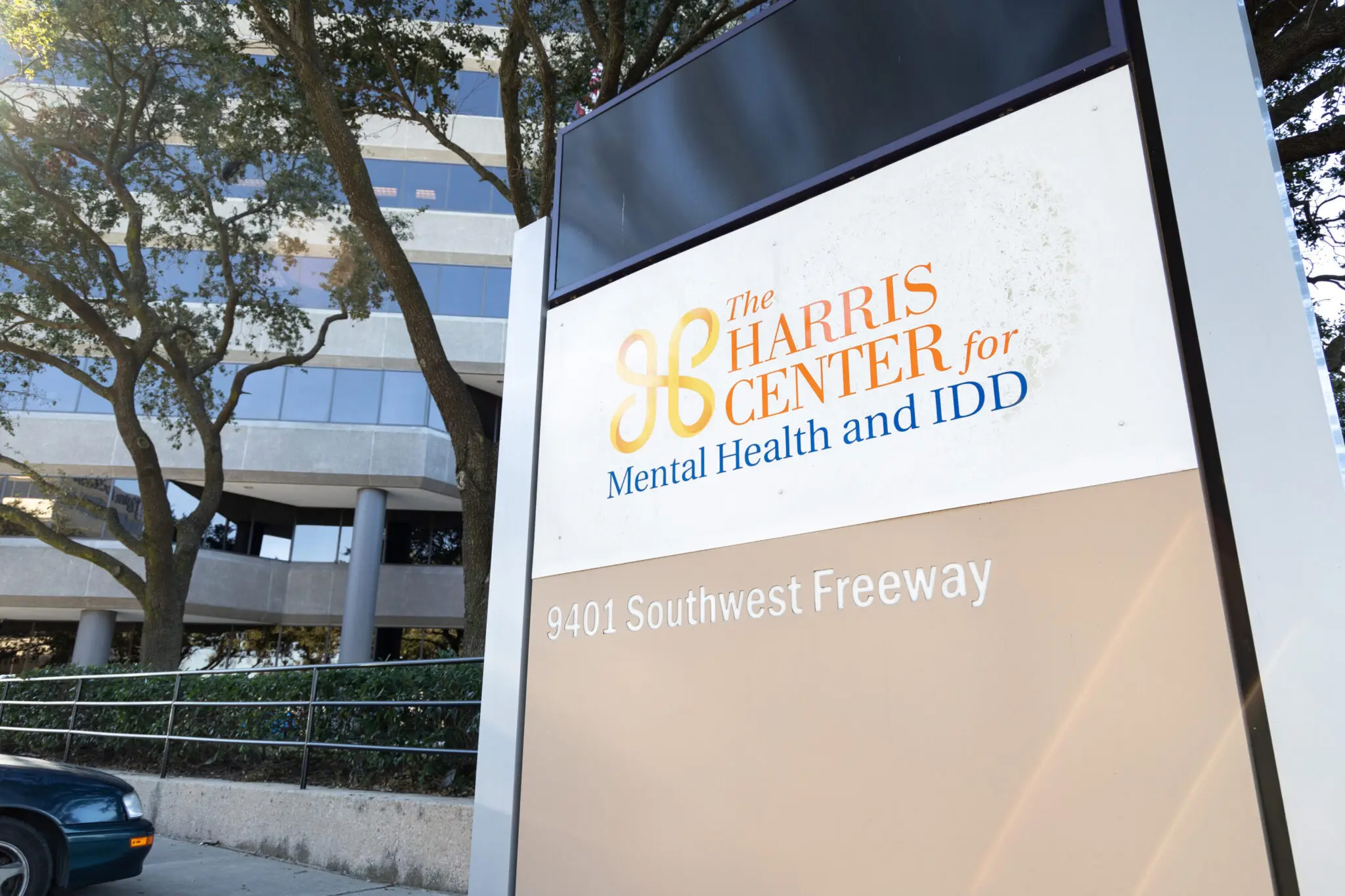
Jennifer Battle is the vice president of community access and engagement at the Harris Center for Mental Health and Intellectual and Developmental Disabilities, which operates one of five 988 call centers in Texas.
“We’ve been watching the data over the last three years, and we know that data continues to increase around people who are aware of the number, people who have used it and will call back, people who have used it and will talk to their friends and family and neighbors about it, and it will continue to grow,” Battle said.
In October 2025, the most recent month for which data is available, Texas 988 call centers received more than 26,000 calls.
Mental health professionals, advocates and lawmakers say they’re optimistic there will be ways to fill the gap in funding and continue the suicide prevention hotline’s vital services. But exactly how the 988 line will be funded remains to be seen.
“We’ve been kicking the can down the street for adequate community-based mental health infrastructure investment since the ’50s,” said Dr. Thomas Kim, a psychiatrist and advocate with the Texas Medical Association. “Is now the time? I sure hope so, because ultimately, our most precious resource isn’t oil or gas. It isn’t AI. It’s people, and we need to kind of care for one another.”
Alternate funding sources
In Texas, the 988 Lifeline is currently funded by a combination of federal grants, but is operated by the state.
The Substance Abuse and Mental Health Services Administration (SAMHSA) distributes two grants that sustain the 988 Lifeline in Texas: the Mental Health Block Grant (MHBG) and the 988 State and Territory Improvement Award. Together, they provide just over $19 million.
The 988 State and Territory Improvement Award, which accounts for $10.8 million of that total, will expire at the end of this fiscal year, on Sept. 29, 2026.
It’s unclear what steps, if any, Congress might take to extend federal funding for 988. Houston Public Media reached out to several Houston-area congressional representatives and Sens. John Cornyn and Ted Cruz of Texas.
Houston-area Democratic U.S. Rep. Lizzie Fletcher was the only one to respond. She took aim at the Trump administration’s purge of the federal workforce and pledged to fight to “protect 9-8-8 and all the essential services that people in Texas’ Seventh Congressional District and people across the country rely on.”
SAMHSA, a federal agency within the U.S. Department of Health and Human Services (HHS), is also undergoing a dramatic restructuring. According to the National Alliance on Mental Illness, nearly two-thirds of SAMHSA’s workforce has been laid off since January. In March, HHS Secretary Robert F. Kennedy Jr. announced that SAMHSA, along with several other public health agencies, would be consolidated into a new federal agency, the Administration for Healthy America.
It remains to be seen whether the Administration for Healthy America will create new sources of federal grant funding for the 988 Lifeline or if Texas lawmakers will appropriate funds by September of next year. HHS declined to comment for this story.
In a special session this summer, the Texas Legislature took the first steps to ensure 988’s future financial stability by establishing the 988 Suicide & Crisis Lifeline Trust Fund.
The legislature has not yet allocated any money for the fund, akin to opening a savings account without making a deposit.
Texas state Sen. Jose Menendez, a Democrat from San Antonio, was one of the trust fund bill’s primary sponsors.