Where do Texans stand on abortion? Marijuana? Guns? And how will those opinions impact upcoming primary elections across the state?
A new poll out the Barbara Jordan School of Public Affairs at Texas Southern University asked just those questions — and many more.
Rice professor Mark Jones helped co-direct the survey in the first half of August, and he said the goal was to capture the preferences of likely primary voters in both parties in Texas.
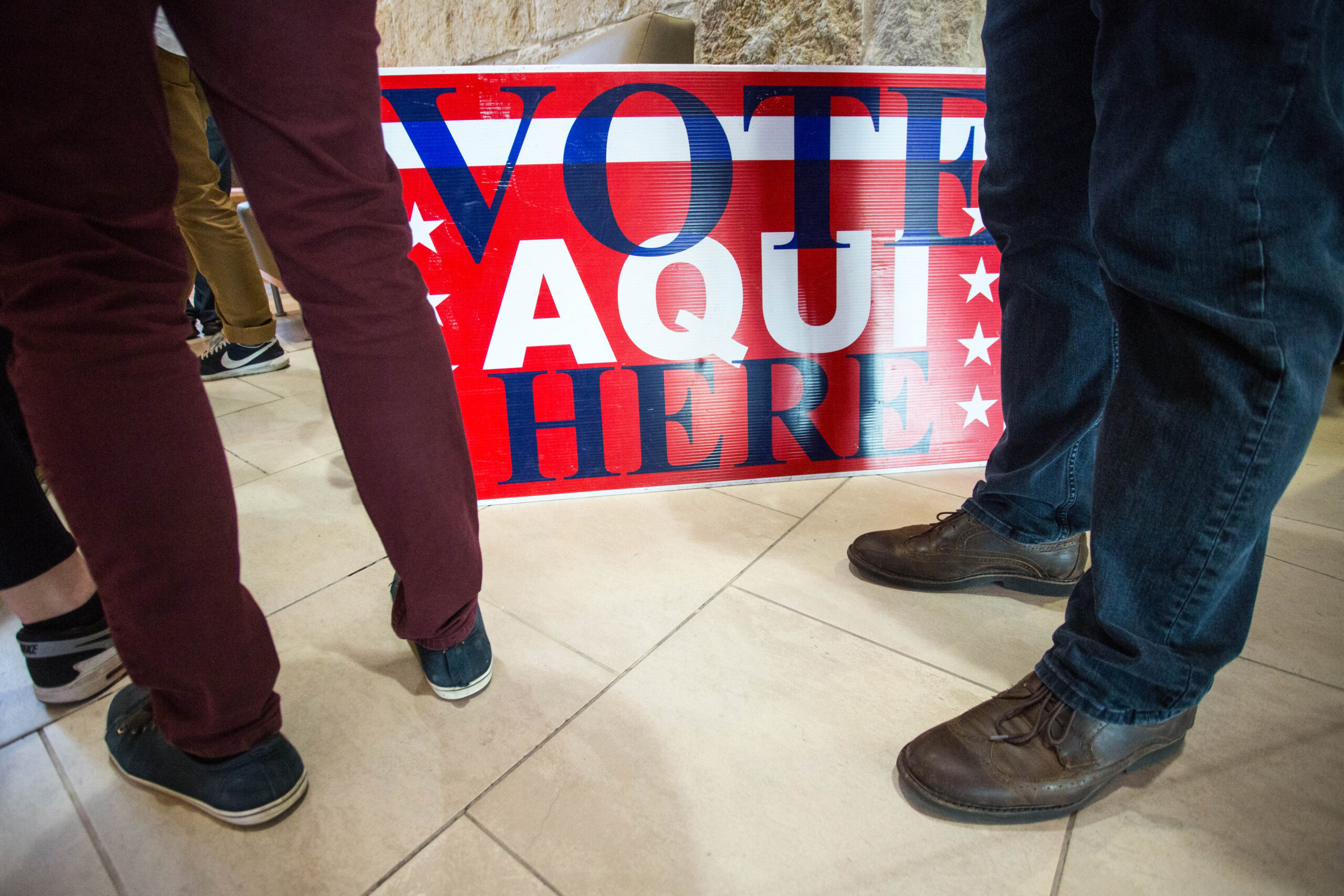
“Generally the way politics works in Texas, most of our elections – the majority of them – are decided in the primaries, not in November,” he said. “That means that the key voters, the people who really hold the keys to power often are those who vote in the primaries, which is a smaller proportion of the Texas population and one that isn’t surveyed very often.”
Jones said the survey results showed that Republican and Democratic primary voters have opposite policy preferences in most key culture war issues. Take abortion, for example.
“We found that 84% of Democratic primary voters would like to return to the way things were before the Dobb’s decision back in the prior decade, where abortion was legal for any reason through 20 weeks,” he said. “Two-fifths of Republicans are very happy with the status quo where abortion is only legal if the woman’s life is at risk, and you can get up to two-thirds of Republican primary voters being on board with the current policy if you added the exception for abortion being legal if in the case of rape.”
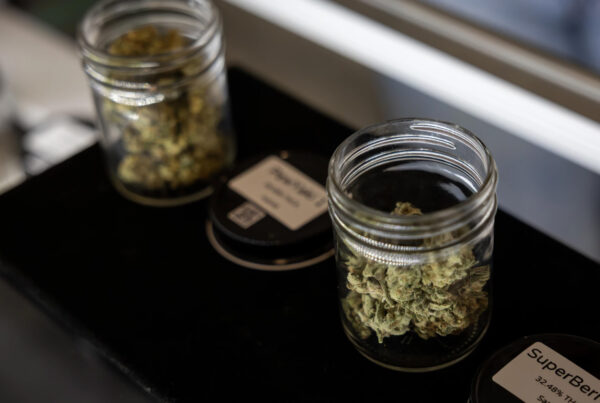
The poll found a similar split on marijuana usage.
“When it comes to legalizing recreational marijuana, 70% of Democratic primary voters are in favor of that, whereas only 34% of Republican primary voters are,” Jones said. “However, if you flip it to say, well, what about medical marijuana? The difference isn’t as stark. 93% of Democrat primary voters are in favor of medical marijuana at least. And you get 79% of Republican voters in favor of that.”
» GET MORE NEWS FROM AROUND THE STATE: Sign up for Texas Standard’s weekly newsletters
Jones said Texas Republican primary voters also favor other staple party positions, including less strict gun laws, banning trans girls and women from women’s sports, and denying birthright citizenship to the children of undocumented parents.
Jones said the fact that primaries are so important in deciding the winner in major elections in Texas means that candidates’ policies don’t always line up with the average voter.
“The more that we focus on primaries and the more that that’s where the real decisions in terms of power are made, the more likely we are to see the parties keep moving towards the extremes,” he said. “Because what the politicians are doing on both sides is pushing the policies and supporting the policies that the more extreme, or more at the edges, Republican and Democratic primary voters want to see, but that’s not necessarily what the average Texas voter wants to see.”
This happens, Jones said, because of how we draw our district lines.
“They’re drawn to favor one party over the other,” he said. “One way to essentially try to reduce some of this extremity, or at least this extreme politics, is to increase participation in the primaries. And that is to educate the broader electorate to know that if they really want to have a say in terms of where the policy direction of Texas is going, they need to not only participate in November, but they also need to participate in either the Republican or Democratic primary in the spring.”
There has also been talk over the decades of a third party coming into the center to appeal to voters who do not favor extreme positions. But Jones said that is easier said than done.
“We had a really telling case a few years back when Michael Bloomberg, the billionaire, just looked at the idea of running for president as an independent, and came to the conclusion that it was impossible,” he said. “When someone with the wealth and knowledge and support that’s like Bloomberg has – and a profile that fit, say, running as a centrist candidate – comes to the conclusion that it’s not possible, that’s a good indication that the idea of a third party isn’t a realistic or feasible one in the United States at the present time.”