From The Texas Tribune:
NACOGDOCHES — On President Donald Trump’s first day in office, he announced an end to all federally supported diversity, equity and inclusion programs. The implications of this decision have been far-reaching.
It has embroiled the federal government in disputes with colleges and universities. Big cities are reevaluating programs to ensure they don’t lose grants. And Fortune 500 companies seeking favor from the new administration have ended their DEI practices.
And it has frozen cash flow for Black farmers, many of whom live in East Texas.
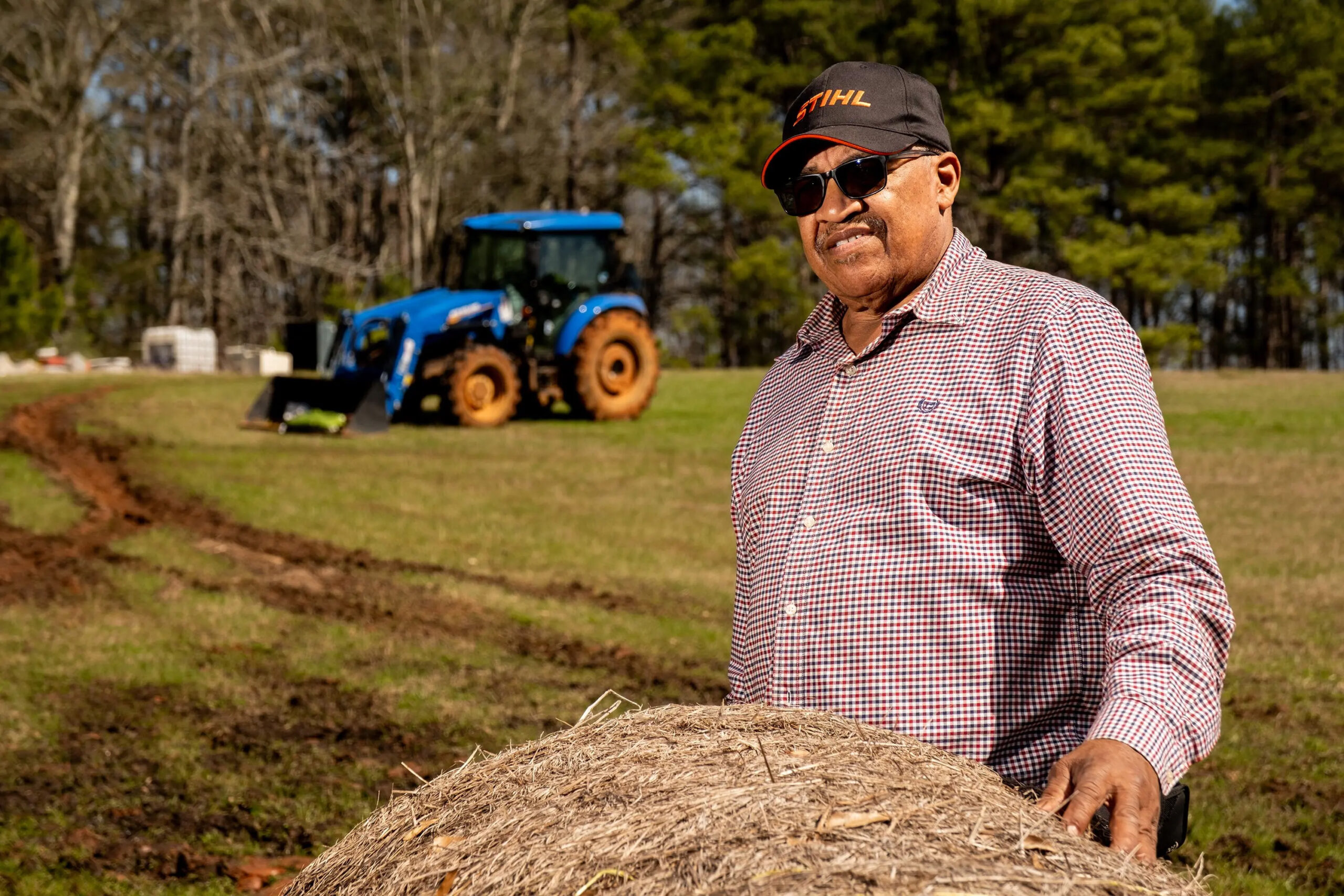
“Everything is at a standstill,” said Roy Mills, a third-generation East Texas Black farmer. “And we don’t know what the end is going to be. We’re getting further behind in all the practices that were being implemented. Things that are supposed to be going on have come to a halt.”
To comply with Trump’s order, the U.S. Department of Agriculture ended its diversity efforts across 14 programs. The department claimed in May to have canceled 3,600 contracts and grants, saving more than $5.5 billion. Applications for assistance moving forward will be reviewed without consideration of an applicant’s race, gender or veteran status.
Mills, who also manages a nonprofit dedicated to farming education with his brother Ike, lost $300,000 in federal grant money to host a conference, he said. More broadly, the funding freeze has delayed the growing season for many. It has halted work on projects that began two and three years ago.
Mills and other Black farmers have said they were unsurprised by Trump’s bid to end race-based programs. And they weren’t particularly sad to see them go. The efforts to support Black farmers, they said, have not worked.
Despite the disruption and delays, there is a mustard seed of hope that reprioritizing small farms, which Black-owned farms are primarily, will provide them a better future.
‘Endangered species’
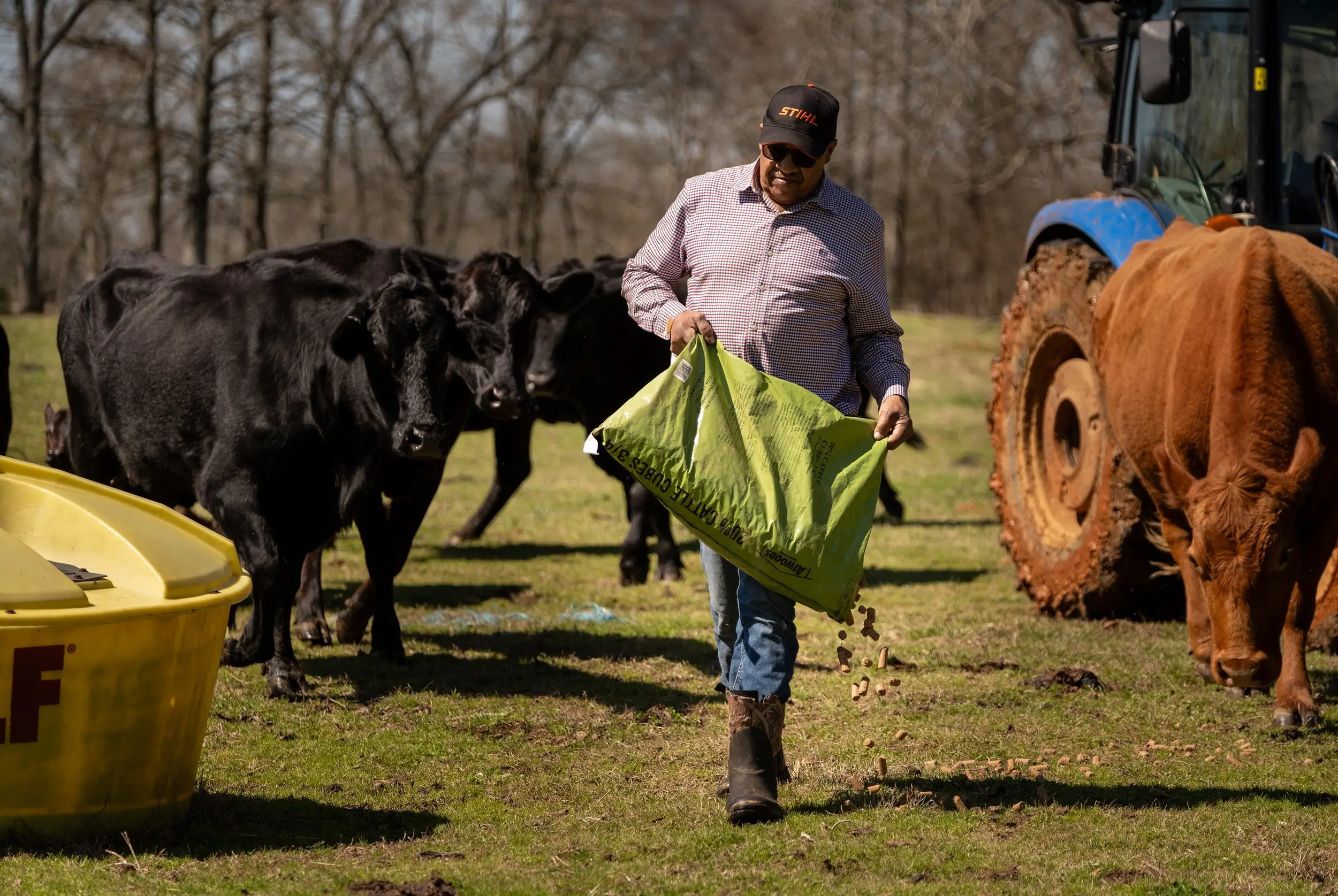
Mill’s grandfather, Joshua Mills, bought the family farm in Nacogdoches in 1926. Today, the farm is 200 acres. The primary plot of land serves the cattle operation. The family home sits on several acres next to a large hot house, designed to grow different crops out of season. Greens started sprouting on their own in March. A barn that was once used to farm worms now holds equipment.
While the Mills farm grew over the last century, the population of Black farmers in the U.S. has declined 96%.
DEI programs rarely actually helped Black farmers, said Cindy Ayers Elliott, a doctor of economics, finance and agriculture. She runs an urban farm in Jackson, Mississippi, which has helped reduce the impacts of the food desert. This current freeze is just another example of how the USDA has failed Black farmers like her, she said.
“If I was a turtle, I would be called an endangered species,” said Elliott. “There are less than 40,000 Black Farmers in America overall.”
Former President Joe Biden’s administration made diversity a priority in its farming assistance. However, according to a NPR investigation, just 36% of farmers who identified as Black were granted direct loans, which are supposed to be the easiest to get from the ag department and are targeted to farmers who can’t get credit elsewhere. Meanwhile, 72% of white farmers who applied for the same assistance were approved.
Today, Black farmers make up less than 1% of total producers in the U.S. but there are higher concentrations of them in certain southern states. Texas had the highest number of Black producers in 2022, according to the latest agriculture census. And most of them can be found in East Texas.
But there used to be more.
When Joshua Mills bought his 86 acres in 1926, he was a part of a larger movement of African Americans seeking independence through farming. Through the turmoil of the Jim Crow Era, two World Wars, the Civil Rights Movement and the Vietnam War, Joshua and his descendants grew the family farm.