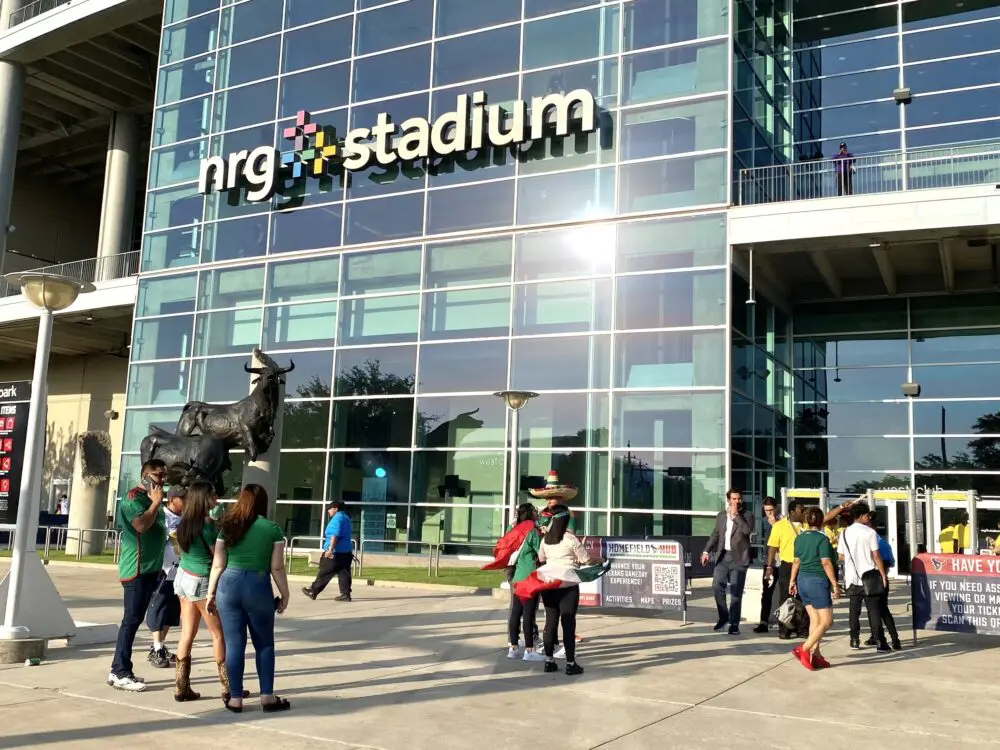
Two days before the New England Patriots faced the Atlanta Falcons at Houston’s NRG Stadium in 2017, residents across Houston who turned on Channel 11’s nightly news became spectators to the “dark side” of the Super Bowl: sex trafficking.
By the end of the massive sporting event, law enforcement officials had reported just under 100 human trafficking-related arrests across the area.
Grant Snyder, a former sergeant with the Minneapolis Police Department, traveled to Houston to lead “Operation Guardian Angel.” In 2017, his team identified victims and arrested perpetrators during the round-the-clock initiative.
“We were doing ops until the wee hours of the morning,” he told Houston Public Media. “We were going out and making contact, finding out where people were — just knocking on the door, telling them who we were, telling them why we were there and asking if they needed help.”
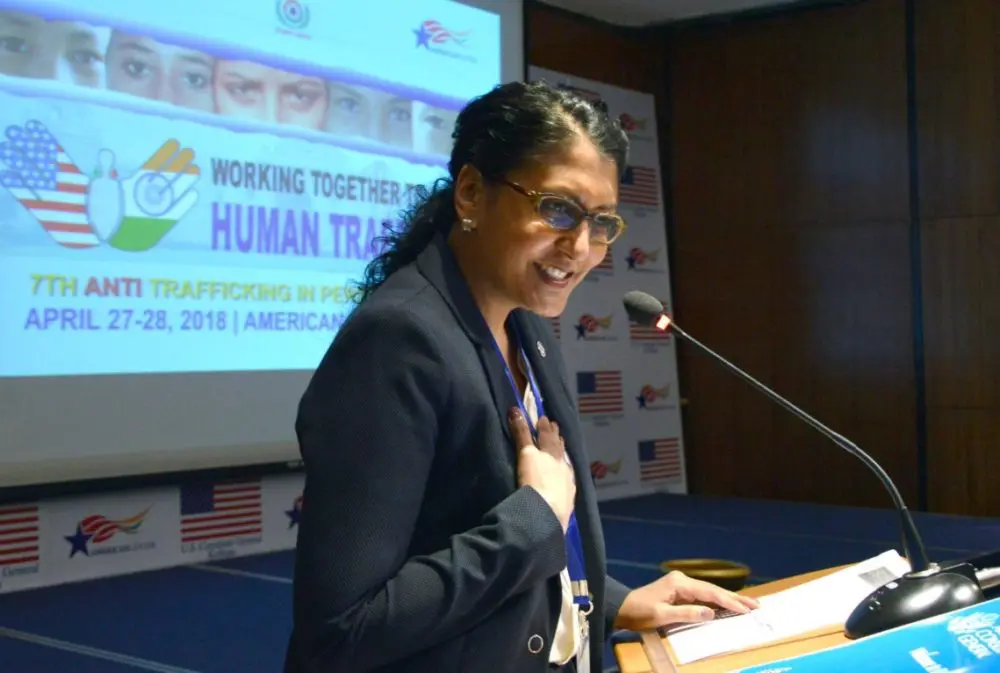
Nearly a decade later, with the 2026 FIFA World Cup fast approaching, conversations about human trafficking are again echoing through advocacy organizations, city meetings and law enforcement briefings — especially in Houston, a city with some of the highest sex trafficking rates in the country, according to the Houston Area Women’s Center.
But there is a barrage of conflicting information on whether sex trafficking actually increases during large sporting events. Law enforcement and advocacy organizations seem to differ.
“And I’ll be honest with you, I haven’t really seen strong data either way,” Snyder said.
Do large crowds increase demand for sex work?
While over 70,000 people attended the 2026 Super Bowl this year, the 2022 FIFA World Cup had over 3.4 million spectators at its final. The Houston World Cup host committee estimates about half a million people will be in attendance over the course of three weeks in June and July, when the city is set to host seven matches at NRG Stadium.
Yasmin Vafa, director and co-founder of Rights4Girls, says this is a cause for concern.
“Anytime we’re talking, you know, tens of thousands of people all converge to one location for one big event, the traffickers will seek to capitalize off the potential for increased demand for commercial sex,” Vafa said. “When demand spikes, traffickers absolutely follow.”
Online ads are a common strategy human traffickers use to solicit buyers. In 2020, over 80% of sex trafficking-related prosecutions involved advertisement. Increases in those ads have largely been observed during past Super Bowls.
Cherise Charleswell, senior director of Protect All Children From Trafficking (PACT) in Houston, said that increases in sex-selling ads indicate heightened trafficking overall as the sex trade itself operates as a market.
“The sex trade and prostitution is supply and demand driven,” Vafa explained. “Just like any other market.”
Added Snyder: “It’s the online environment – it’s the preferred environment for people to exploit victims. An increase in ads means an increase in trafficking.”