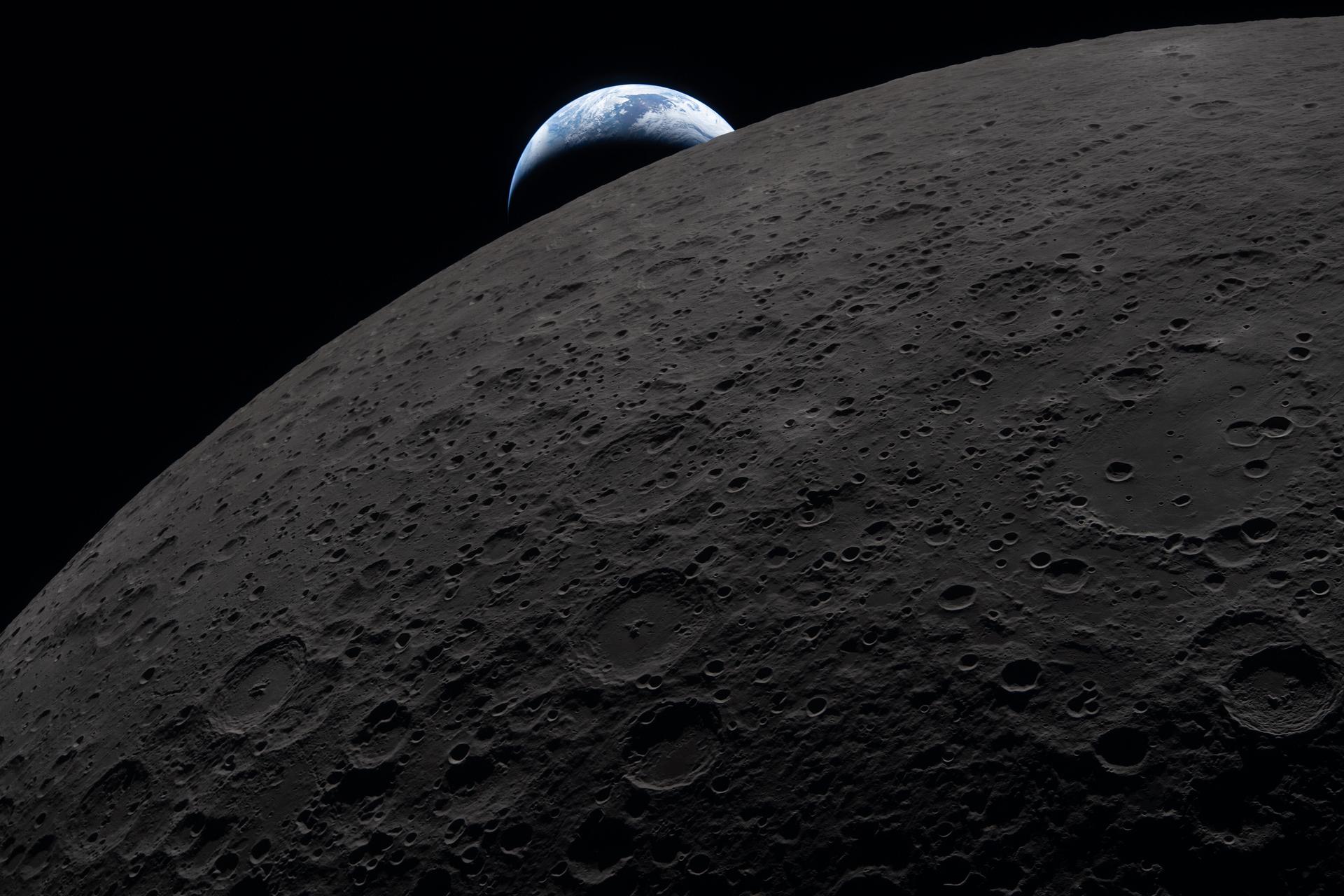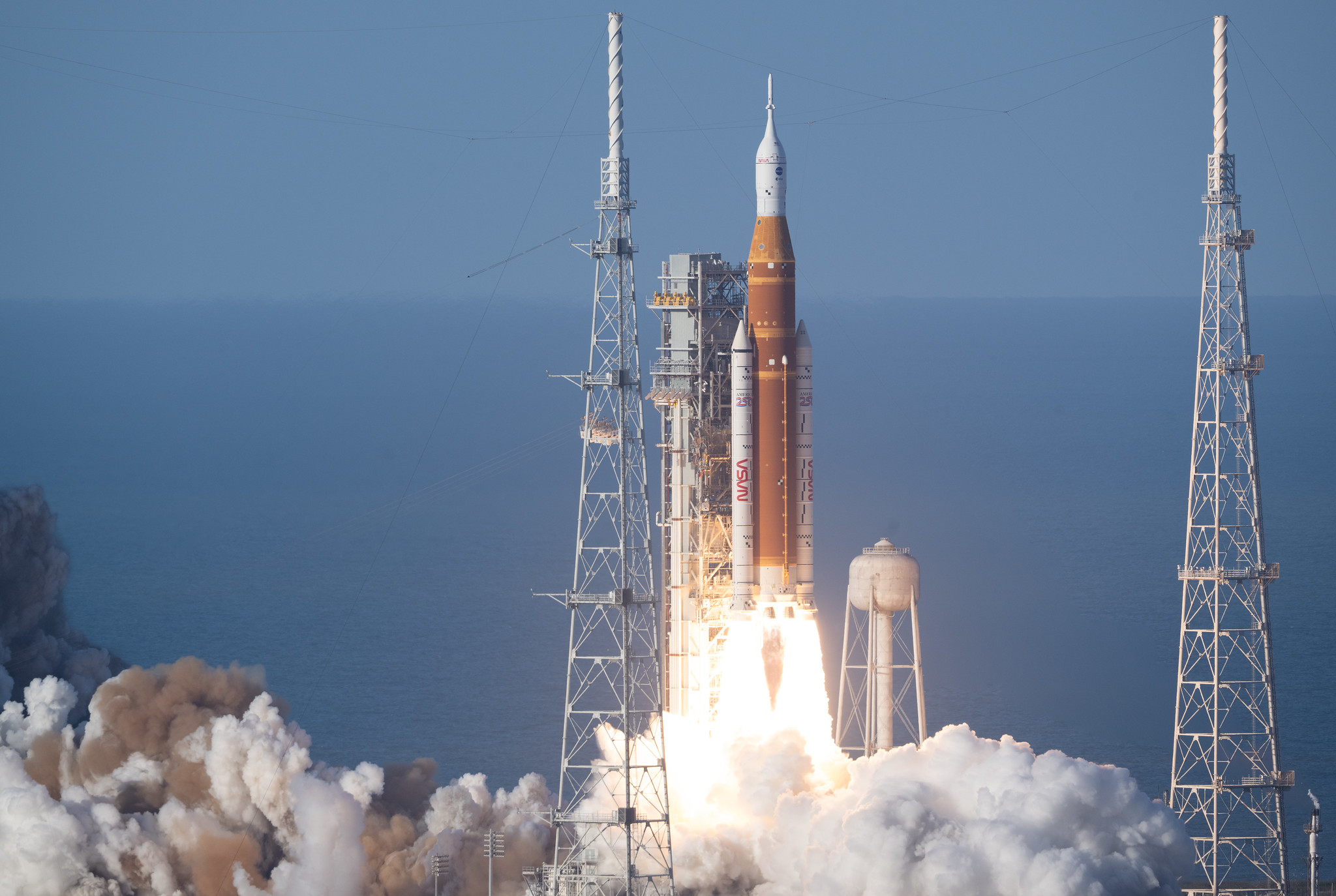
After more than 50 years, humans have returned to deep space – at least briefly.
NASA’s Artemis II mission just sent astronauts around the moon and back. That was a major milestone in the agency’s plan to return humans to the lunar surface for the first time since the Apollo era. But if this latest flight was a test, the question now is: What comes next?
To help us understand where Artemis goes from here, we spoke with Christian Davenport, longtime Washington Post reporter and author of “Rocket Dreams: Musk, Bezos, and the Inside Story of the New Trillion Dollar Space Race.”
Artemis II was a test flight. By most accounts, it passed.

NASA astronaut and Artemis II mission specialist Christina Koch prepares for lunar flyby activities after exercise on day four of the mission. NASA photo
Artemis II did not land on the moon. Instead, it was designed to prove NASA could once again send astronauts beyond low Earth orbit, operate safely in deep space, and bring them home. “NASA hadn’t flown humans out of low Earth orbit in more than 50 years,” Davenport says.
The agency also needed to test Orion, the new spacecraft built for lunar missions, on a real voyage with a crew onboard. That meant evaluating life support systems, communications, navigation, re-entry systems and the heat shield during the most dangerous phase of the mission: coming home through Earth’s atmosphere. The early signs are encouraging.
“The initial reports are is that the heat shield did well,” Davenport said, though he noted NASA will continue reviewing the data.
Not everything was perfect. “The toilet definitely had some problems on Artemis II,” he added. But still, the larger takeaway was clear: The basics worked.
So what’s next? Artemis III, then a return to the surface.
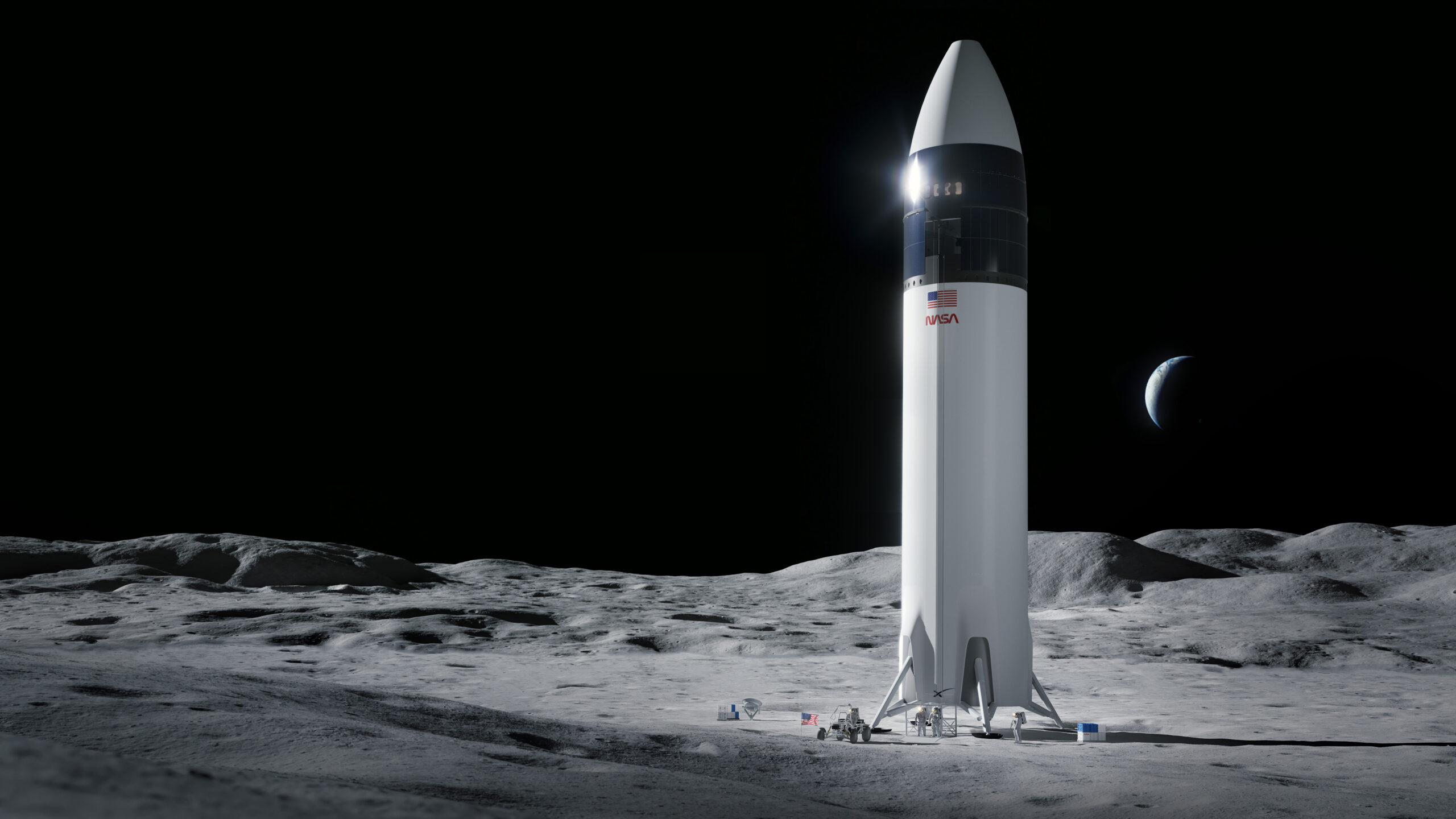
NASA now hopes to move quickly into Artemis III, currently targeted for next year. That mission would focus on another critical step: orbital docking between Orion and the lunar lander spacecraft astronauts would eventually use to descend to the moon.
Engineers and astronauts test a mockup of NASA’s Orion spacecraft at Johnson Space Center in Houston, including docking hatch and post-landing procedures. NASA photo
Davenport describes Orion as carrying astronauts into orbit around the moon, where it would meet the lander. The crew would transfer, descend to the lunar surface, then return to lunar orbit and rendezvous with Orion for the trip home.
But before that can happen, NASA wants to rehearse those procedures closer to Earth.
“So next year, they’re gonna test out that docking system,” Davenport said, “and they’re going to do that in Earth orbit, not lunar orbit.”
NASA’s broader goal is to begin actual surface missions soon after, though schedules in spaceflight are exceedingly subject to change. Still, NASA seeks to send the Artemis IV crew to the surface of the moon in 2028.
Why the rush? China is part of the answer.
The Apollo program was driven by Cold War competition. Artemis, in part, is being shaped by a new geopolitical rivalry.
Davenport said NASA leadership has framed the current moment as a new space race against China, which plans to land its astronauts on the moon by 2030.
The timeline matters because a lunar presence is no longer viewed as largely symbolic. Nations see strategic value in being first to establish footholds, partnerships, scientific programs and infrastructure there.
“If we are in a space race with China and they’re on the moon and we’re not, that will shift the sort of balance of power on Earth,” Davenport said.
The Pentagon is also watching closely, with Davenport saying the military increasingly views the moon and the region around the moon “as a really strategic high ground.”