From KUTX:
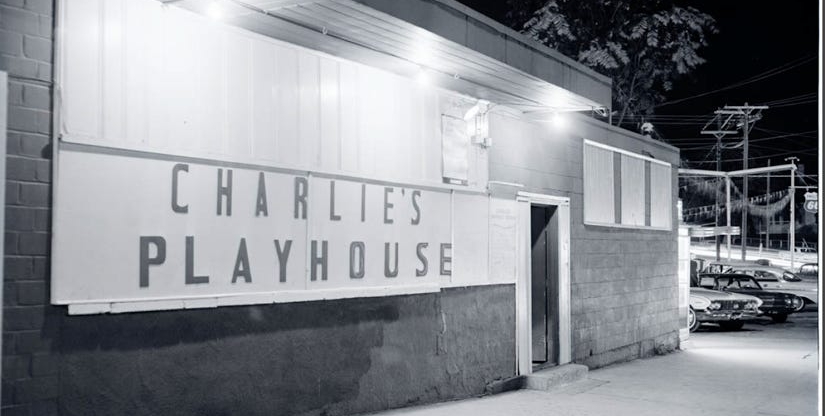
Charlie’s Playhouse opened around 1958 under the ownership of East Austin businessman Ernest “Charlie” Gildon. Located at 1206 East 11th Street in the historically Black cultural district, the building had previously housed the Show Bar and the Black Cat before Gildon took over.
During segregation, the club became a central gathering place for Austin’s Black community, offering live music, dancing, and nightlife in a city that limited where Black residents could socialize. At a time when Black musicians were restricted in where they could perform, Charlie’s became part of the Chitlin’ Circuit, the network of venues that welcomed Black performers across the country.
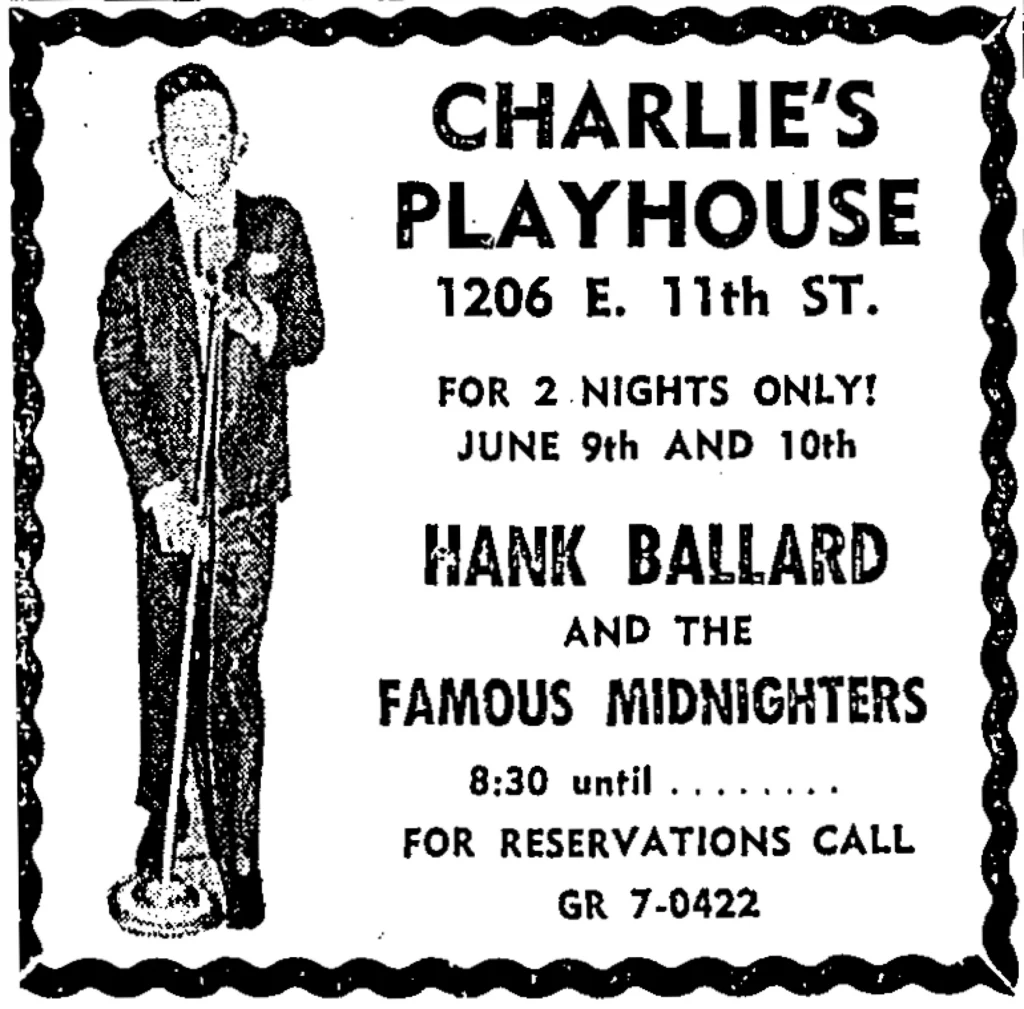
Throughout the 1960s, Charlie’s hosted live bands five nights a week. Austin native and local legend Blues Boy Hubbard helped define the club’s sound, alongside groups like The Jets. National R&B acts also made their way through Charlie’s doors, including Hank Ballard and The Midnighters, who are famously known for recording the original version of “The Twist.”
As the mid-to-late 1960s unfolded, Austin itself began to shift. While limited school integration had started in the 1950s, widespread desegregation of schools and businesses did not take hold until the mid-1960s, and full integration was ultimately forced by federal intervention around 1970.
As those changes moved through the city, white University of Texas students began showing up at Charlie’s, gradually shifting the dynamic of a space long rooted in Black community life.
When formerly segregated venues began opening their doors to Black patrons, many longtime Black customers of Charlie’s left. Donald “Duck” Jennings, a frequent performer at Charlie’s and member of The Jets, described it this way: “All the customers and the patrons, they left and went across the freeway.”
In 1971, L.C. Anderson High School, the city’s first public high school for Black students, was closed during court-ordered integration. Around the same period, Charlie’s Playhouse was nearing its end. Charlie’s closed in early 1973 after a brief run as Twink’s Playhouse and later became the Mexican restaurant La Cucaracha before the building was eventually demolished.
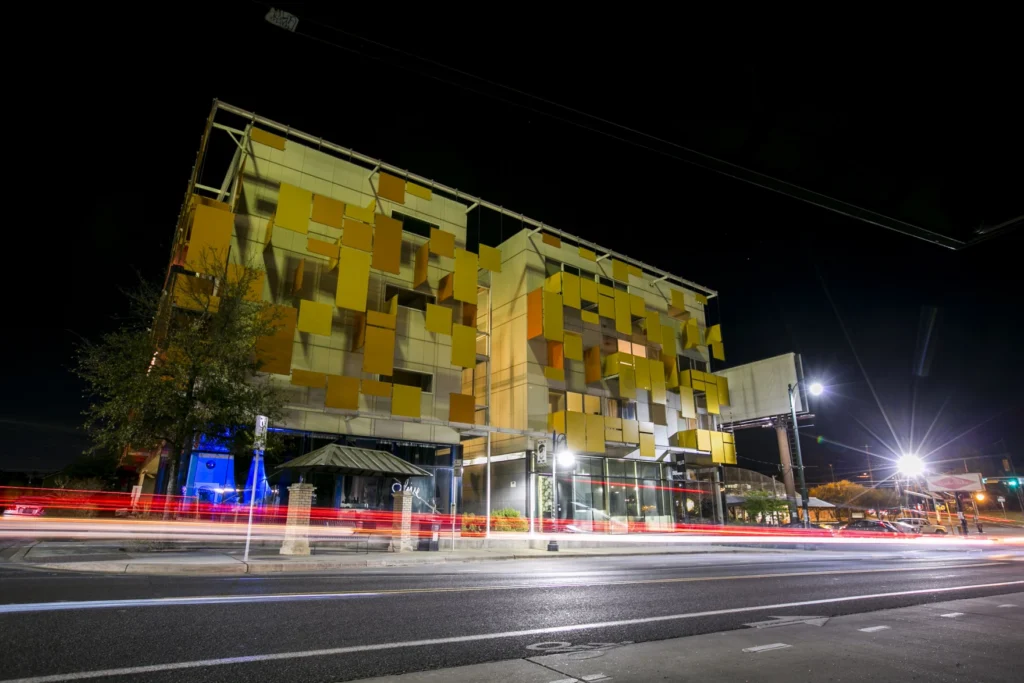
Today, a four-story condominium built in 2009 stands where Charlie’s Playhouse once filled the night with music and blues.
Even though Charlie’s Playhouse no longer stands at 1206 East 11th Street, its imprint on Austin’s music history lives on, a reminder of when East Austin was the heart of the city’s Black business, culture, and sound.