In 1915, one of the earliest coast-to-coast highways was built through Texas as it passed through all Southern states.
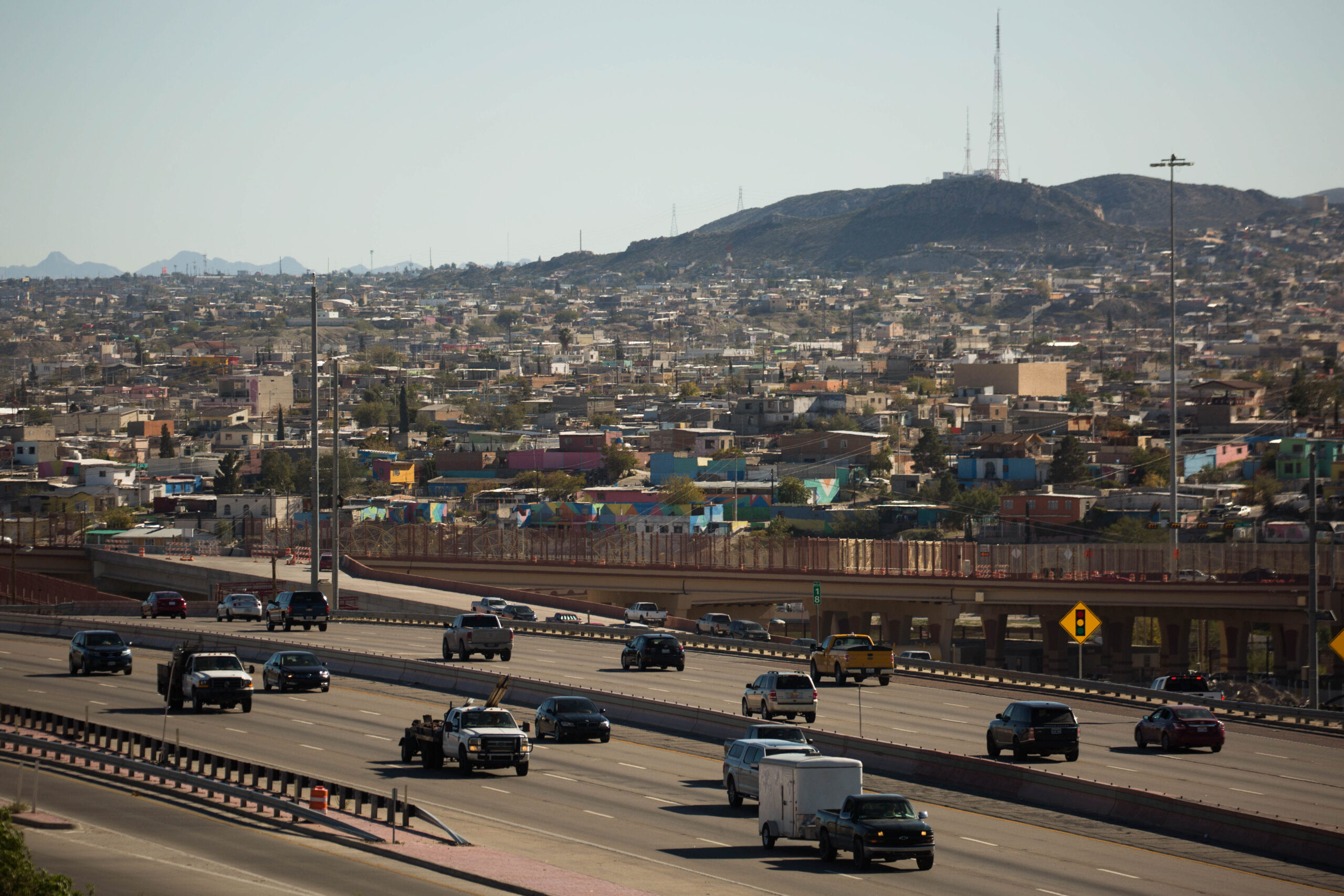
In West Texas it ran along the U.S.–Mexico border and was known as the Bankhead Highway, a precursor to modern day I-10.
The road, named for a former senator, symbolized progress and national connection. But behind the promise of mobility are the untold stories: of convict labor, displacement by construction and of residents who often had little or no voice in decisions that forever altered their communities.
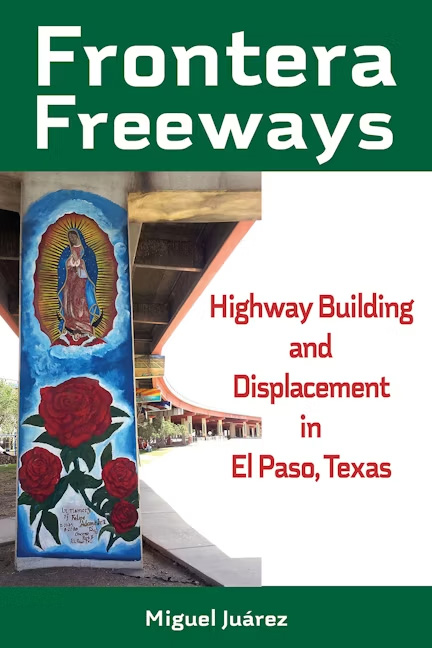
Miguel Juárez is a lecturer in history at the University of Texas at El Paso and author of a new book called “Frontera Freeways: Highway Building and Displacement in El Paso, Texas.” He joined Texas Standard for a discussion. Listen to the interview above or read the transcript below.
This transcript has been edited lightly for clarity:
 Texas Standard: Well, what was your inspiration for this book?
Miguel Juárez: The inspiration for the book was to inform people about maybe they experienced highway building when they were children and they really didn’t know what was happening. This is the first book to explain it in a way that people could understand, because highway building is very technical.
And this is, I think, one of the first books to explain these processes and basically what happened and in terms that people can understand and they would say, “Oh yes, that happened, but I never knew why my parents were so worried.” And there’s people’s stories in it.
So a lot of people experienced this, but they never knew why or how and this explains it.
So Miguel, your book centers on the Lincoln Park neighborhood. Tell us about that. Why is it significant?
Well, the Lincoln Park neighborhood was created in 1915 and it was located at the end of the city limits. It’s important to note that both Mexican and African Americans live there. So it was on the outskirts.
El Paso during that time did not actually have the Bankhead Freeway as you mentioned in your introduction. So Lincoln Park set the stage for all these other freeways to come. And, actually, at Lincoln Park neighborhood, all the freeways crisscross.
You write that because of the freeway construction, quote, “the fabric of the small-town of El Paso was forever altered.” Obviously not small anymore. So in what ways?
Well, because, you know, when freeways were built, people were afraid of them because, first of all, they didn’t know what they were. It was something new. And not a lot of people had cars. Actually, some people were afraid of getting on the freeway because they didn’t know how they were gonna get off. Had never driven it.
And the city started expanding. You have the development of suburbs. You have, actually before freeways, the African American community was landlocked – like around the Five Points area, like in north of South Central – and actually funds became available to do slum-busting and they designated the Black community as a slum. They started to tear it down and then people moved to the suburbs.
So it’s like it wasn’t this idyllic little community anymore. It was growing, it was changing, it was morphing into a big city.
Final question. So some might say I-10 meant progress for El Paso, and right now TxDOT is continuing to expand the highway. So what do you say to those who support that effort?
Well, you know, unfortunately highways are a necessity, but in the late sixties the development of I-10 really tore through the Black community and the Mexican American community. And I think there needs to be more humanity or more attention paid to the humanity of if there could be alternate plans.
Many people have stated the end goal is to support building the deck park. I mean, people see it, they understand it and so forth. And so there are a lot of issues that need to be hammered out, but with input from the people who are gonna be affected.