From The Texas Newsroom:
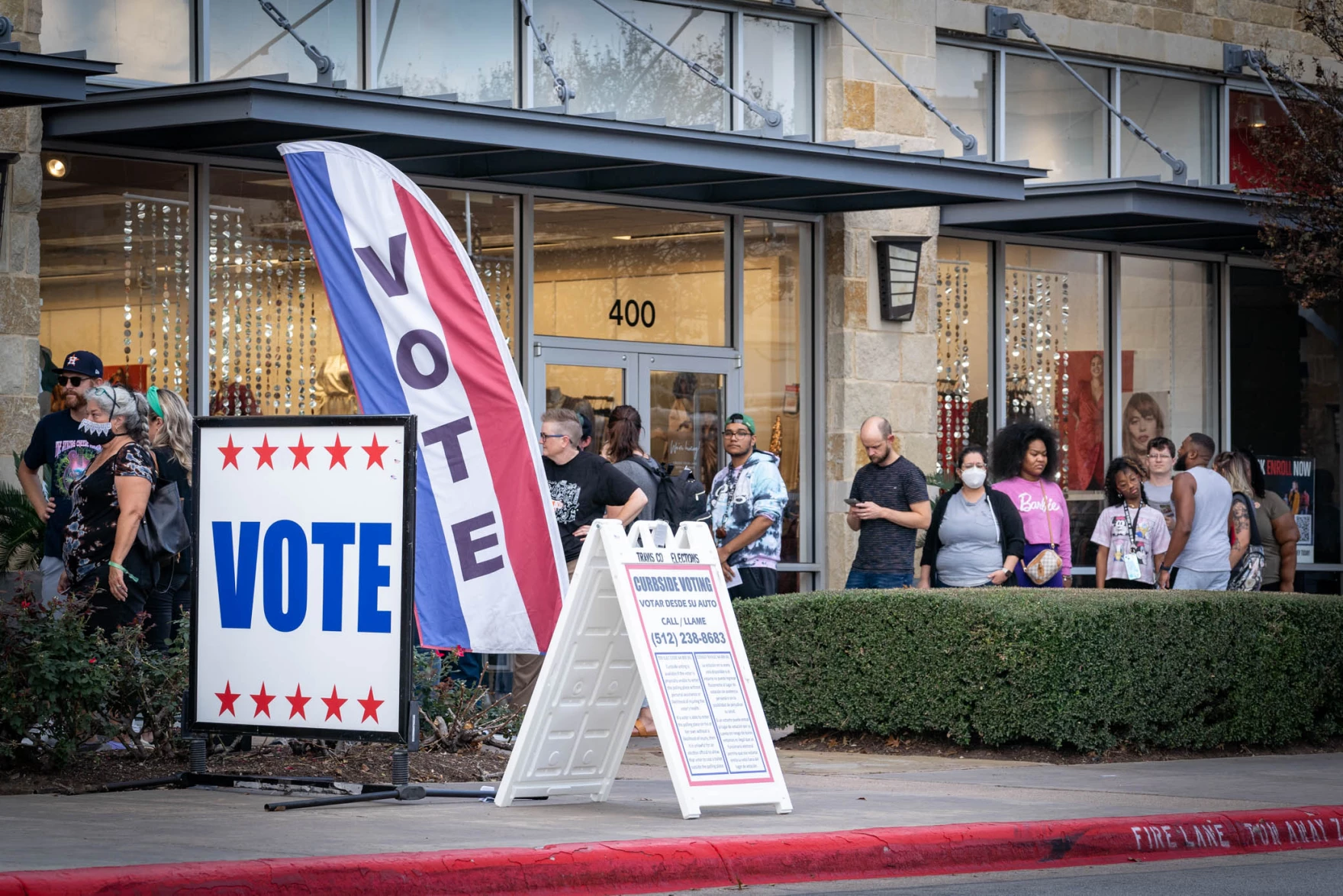
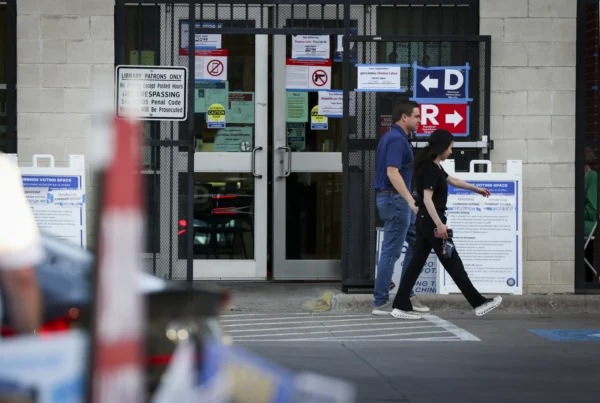
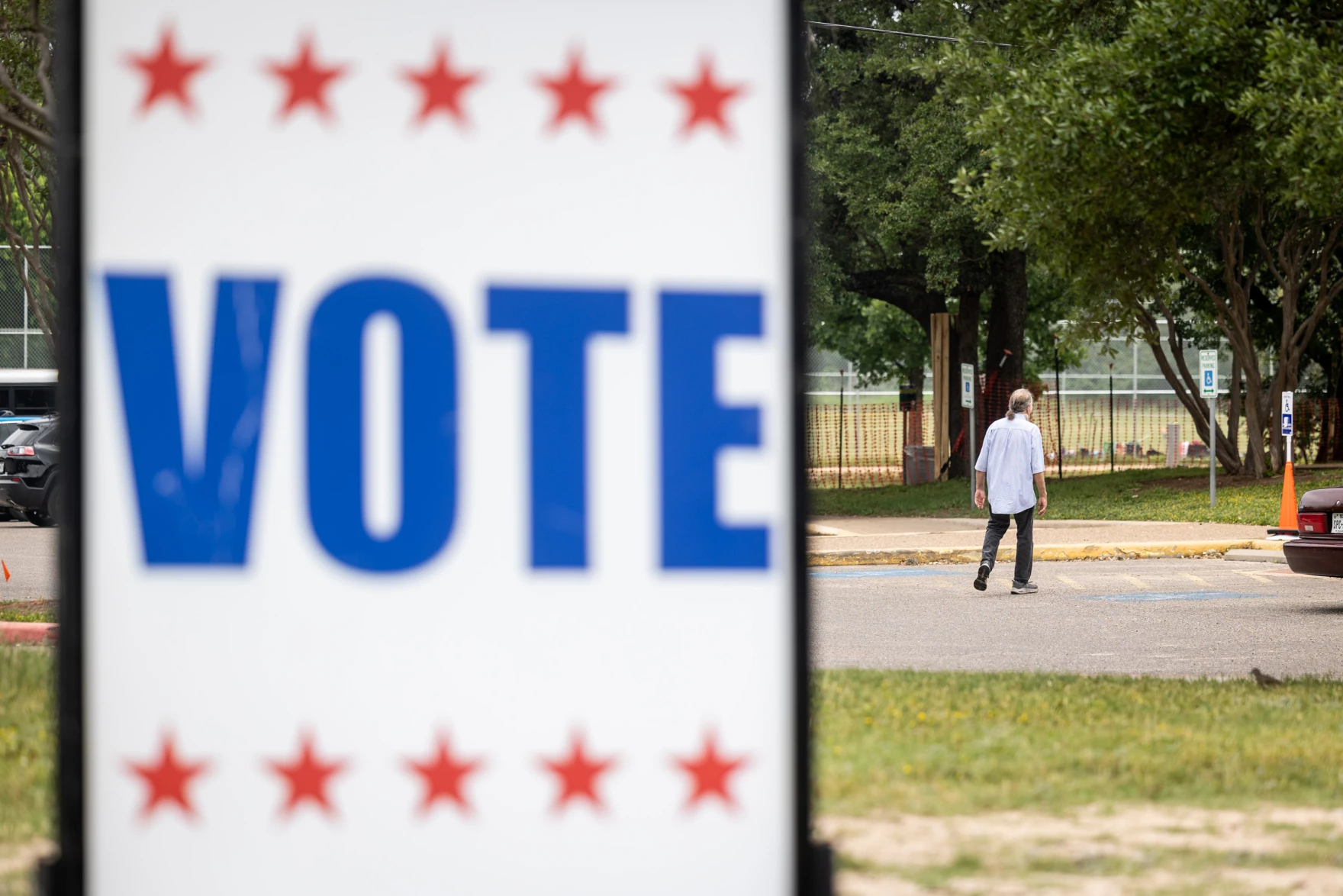
Election Day has arrived in Texas, marking the final chance for the state’s voters to pick who they want on the ballot in November.
Voters who didn’t already cast a ballot early can do so on Tuesday, March 3, can find their polling location on the Texas Secretary of State’s website. Polls close at 7 p.m. CST, except in El Paso, where they close at 7 p.m. MST. Voters will have until then to make a decision in several races, from governor and lieutenant governor to the U.S. Senate.
Voter turnout during early voting already exceeded expectations, a sign Texans are more engaged in the primaries than usual. From if that momentum continues, to the potential impact of redistricting, to Attorney General Ken Paxton’s attempt to become a congressional candidate, here are the key things to be paying attention to this Election Day.
The U.S. Senate primaries
All eyes are on Texas’ two U.S. Senate primaries, where the results could give us a glimpse of what to expect nationally this midterm election year.
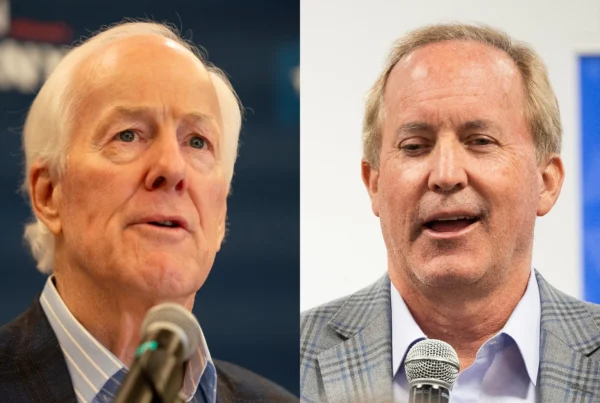
The Republican side of the Senate race is a hotly contested battle between incumbent U.S. Sen. John Cornyn, Attorney General Ken Paxton and U.S. Rep Wesley Hunt. It’s Hunt’s first go at a statewide race, and he is the least known candidate of the three. But his participation in the race could have a big impact on who ultimately wins the seat.
That’s because in Texas, candidates need to receive 50% of the votes plus one in order to win a party’s nomination outright. In both a University of Houston Hobby School of Public Affairs poll and a University of Texas’ Texas Politics Project poll, Hunt has enough votes to send the race into a runoff between Cornyn and Paxton.
Paxton’s had an edge in polling so far, likely because he is perceived as the more far-right of the candidates and primary voters tend to lean to the more extreme sides of their party.
On the Democratic ticket, U.S. Congresswoman Jasmine Crockett and State Rep. James Talarico have been pushing voters to make a tough decision. Gloria Leal, the legal advisor for LULAC, said Crockett is “fiery, she is way energetic, speaks louder than Mr. Talarico, but at the same time, communicates [her] message very, very effectively.” To her, Talarico is, “calmer and more measured in his delivery.”
Polling has been all over the place, with the most recent showing Crockett ahead of Talarico by 12 points. A poll conducted about a month earlier showed Talarico ahead by 9 points.
How redistricting changed the game in Texas
Tuesday’s primary is the first statewide race since a controversial mid-decade congressional redistricting passed the Texas Legislature last summer under pressure from President Donald Trump and Abbott.
Republican state lawmakers redrew the boundaries of all 38 U.S. House districts in Texas to give five seats to the GOP. The plan, which was adopted following a two-week quorum break by Democrats in the Texas House, involved significant shuffling of non-white voting populations that tend to vote Democratic, particularly in major metro areas like Houston and Dallas-Fort Worth.
Democrats and civil rights groups sued the state to block the plan’s implementation, arguing that it was deliberately intended to dilute and weaken non-white voting strength — a practice known as racial gerrymandering, which is barred by U.S. Constitution and Voting Rights Act. The state countered that the plan was purely a case of partisan gerrymandering, which is legal.
The U.S. Supreme Court ultimately allowed the new map to be used for the 2026 midterm elections.