This week in Texas music history: Willis Alan Ramsey and Uncle Walt’s Band

A chance Nashville meeting between an Alabamian and some Carolinians brings new sounds to Austin.

By Jason Mellard, The Center for Texas Music History at Texas State UniversityMarch 3, 2026 10:14 am, , ,

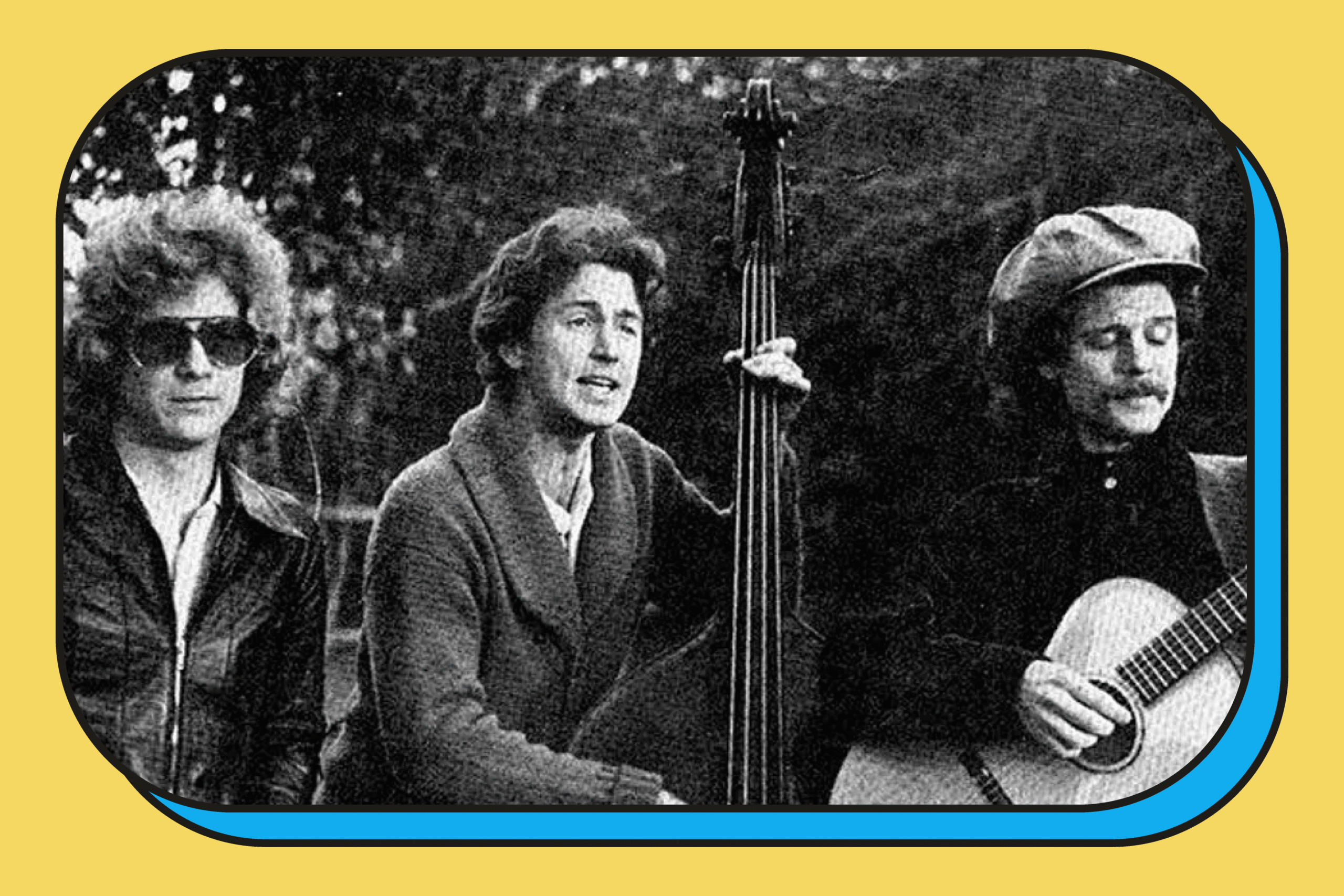
On March 5, 1972, singer-songwriter Willis Alan Ramsey, on his twenty-first birthday, caught a performance by Uncle Walt’s Band in Nashville and convinced the trio to move to Austin.

The acoustic group consisting of Champ Hood, Walter Hyatt, and David Ball had formed as high schoolers in Spartanburg, S.C., and made their name with eclectic arrangements that melded their Southeastern string band sound with jazz and blues. It makes sense that the combination would click with Ramsey, whose delicate songcraft and wit had established him as an influential player in Austin’s songwriting circles.

The band released their self-titled debut in 1974, and three additional independent albums followed. Still, they were unsigned to a major label when they first appeared on Austin City Limits in 1980.


As journalist Townsend Miller said of the band, of all the artists who made the legendary ’70s scene, “I don’t think any have intrigued, captivated, hypnotized, or won the hearts of Austin fans like Uncle Walt’s Band.”

Still, they remained something of an underground favorite with a huge influence on other artists. Marcia Ball, then with the country Freda and the Firedogs, credits them with opening up her horizons by nudging her in the direction of Louisiana’s Professor Longhair. Lyle Lovett, who opened for Uncle Walt’s Band early in his career, became a stalwart champion, as did their initial Austin host Willis Alan Ramsey.

Though the band split in 1983, Hyatt, Hood, and Ball would reunite in various combinations over the years at the Kerrville Folk Festival or Threadgill’s. Each of the members established solo careers in their own right. Walter Hyatt released the albums King Tears and Music Town; Champ Hood the posthumous Bon Haven and work with Jerry Jeff Walker and Toni Price; and David Ball a prolific country career, including 1994’s platinum album Thinkin’ Problem.

Their talent likely meant they would have found a way to make music no matter where they were, but it was Ramsey’s Tennessee invite that would make them a part of the Texas music story.

Sources

Michael Corcoran. Austin Music Is a Scene not a Sound. Fort Worth: Texas Christian University Press, 2025.

John M. Lindsay in Laurie E. Jasinski, Gary Hartman, Casey Monahan, and Ann T. Smith, eds. The Handbook of Texas Music. Second Edition. Denton, TX: Texas State Historical Association, 2012.

Jan Reid. The Improbable Rise of Redneck Rock. Second Edition. Austin: University of Texas Press, 2004 [1974].

Cheryl L. Simon in Laurie E. Jasinski, Gary Hartman, Casey Monahan, and Ann T. Smith, eds. The Handbook of Texas Music. Second Edition. Denton, TX: Texas State Historical Association, 2012.

If you found the reporting above valuable, please consider making a donation to support it here. Your gift helps pay for everything you find on texasstandard.org and KUTX.org. Thanks for donating today.