From The Texas Tribune:
As Texas lawmakers debate a ban on the synthetic THC industry, another unregulated, but deadlier synthetic drug known as kratom is lying in wait to take over the ever-growing statewide demand for recreational drugs.
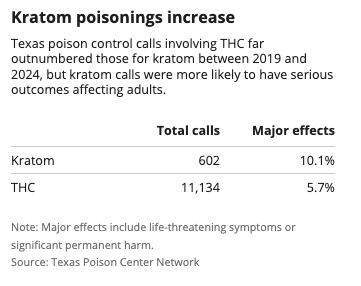
Data provided from the Texas Poison Center Network reflects a slow climb in kratom-related cases, from 83 in 2019 to 123 in 2022 and dipping to 100 in 2024. This pales in comparison to the sharp increase in marijuana-related calls during the same time period after hemp-derived THC was federally legalized, culminating in 2,592 calls in 2024.
However, of the 602 total kratom-related calls over the six years, more than 40% of them were severe or moderate reactions and five of them resulted in deaths in Texas. Texas Poison Control Center has reported eight THC-related poison calls that resulted in death, but the federal Drug Enforcement Administration reports there have been no overdose deaths from marijuana. In contrast, the DEA reported 15 kratom-related deaths nationally from 2014 to 2016.
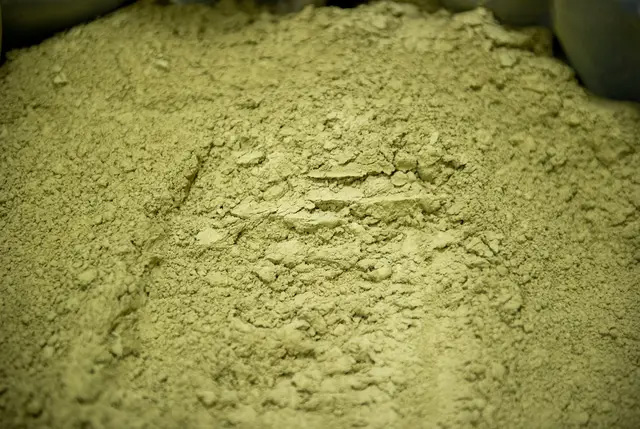
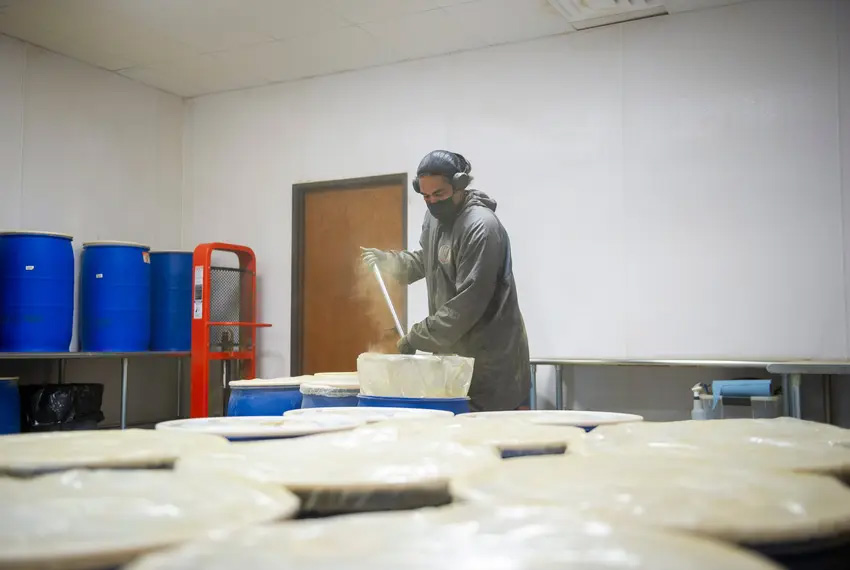
Kratom, which is being sold as energy-boosting drinks and pills in gas stations and smoke shops across the state, comes in two forms — one that is naturally derived from the kratom plant and the other that is synthetically pulled from the plant and chemically altered to be much more potent. Texas banned the manufacturing of the latter and retailers from selling it in 2023, which likely contributed to the decline in poison calls the following year, but public safety agencies don’t have the resources to enforce the ban. People are still using it and getting hurt — at least one of the kratom calls in Texas resulted in a death in 2024.
“I have seen people who have taken a 7-OH product become crippling addicts in under a week. This is something we have never seen,” said Tiffini Steding about the synthetic compound found in the manufactured version of kratom. Steding co-owns 1836 Kratom, a statewide natural kratom distributor based in Pflugerville.
According to studies, 7-OH is up to 13 times more potent than morphine and is linked to dependency, withdrawal, and overdose symptoms similar to opioids.
Gaining in popularity in recent years, the drug has flown under the radar in Texas compared to THC, but debates around them are similar. Many members of both industries are advocating for regulation instead of a ban of their respective drugs, and producers of the natural forms of their drugs say the synthetic market is undermining the safety of the natural plants.
“One of the major reasons kratom has avoided the attention that THC has gotten is that it’s not federally regulated. It’s not listed in the Controlled Substances Act,” said Katherine Neill Harris, drug policy fellow for Rice University’s Baker Institute for Public Policy.
On July 29, the federal Food and Drug Administration recommended listing synthetic kratom as a controlled substance, heeding the call from natural kratom producers.
This year, the Texas Senate passed a bill to ban kratom products, including the plant, but it died in the House. Natural producers said it would have had dire consequences for many who use the natural substance to self-treat substance use disorders, mental illness, and pain. They urge more enforcement of the anti-synthetic laws that are already on the books.
Simply 7OH, a producer of these synthetic products that can often be found in Texas despite it being illegal, said their customers have testified that this chemical has been life-changing, helping them stay off hard drugs and avoid relapse and relieving them from chronic pain. A federal ban would hurt people who need their products, the company told The Texas Tribune.
“We receive countless messages from people who say our products have given them the ability to play with their kids, work, and function as contributing members of society again,” the organization said in a statement. “The only negative feedback we consistently hear is that 7OH can be habit-forming, which we are transparent about with customers, as seen with our disclaimer.”