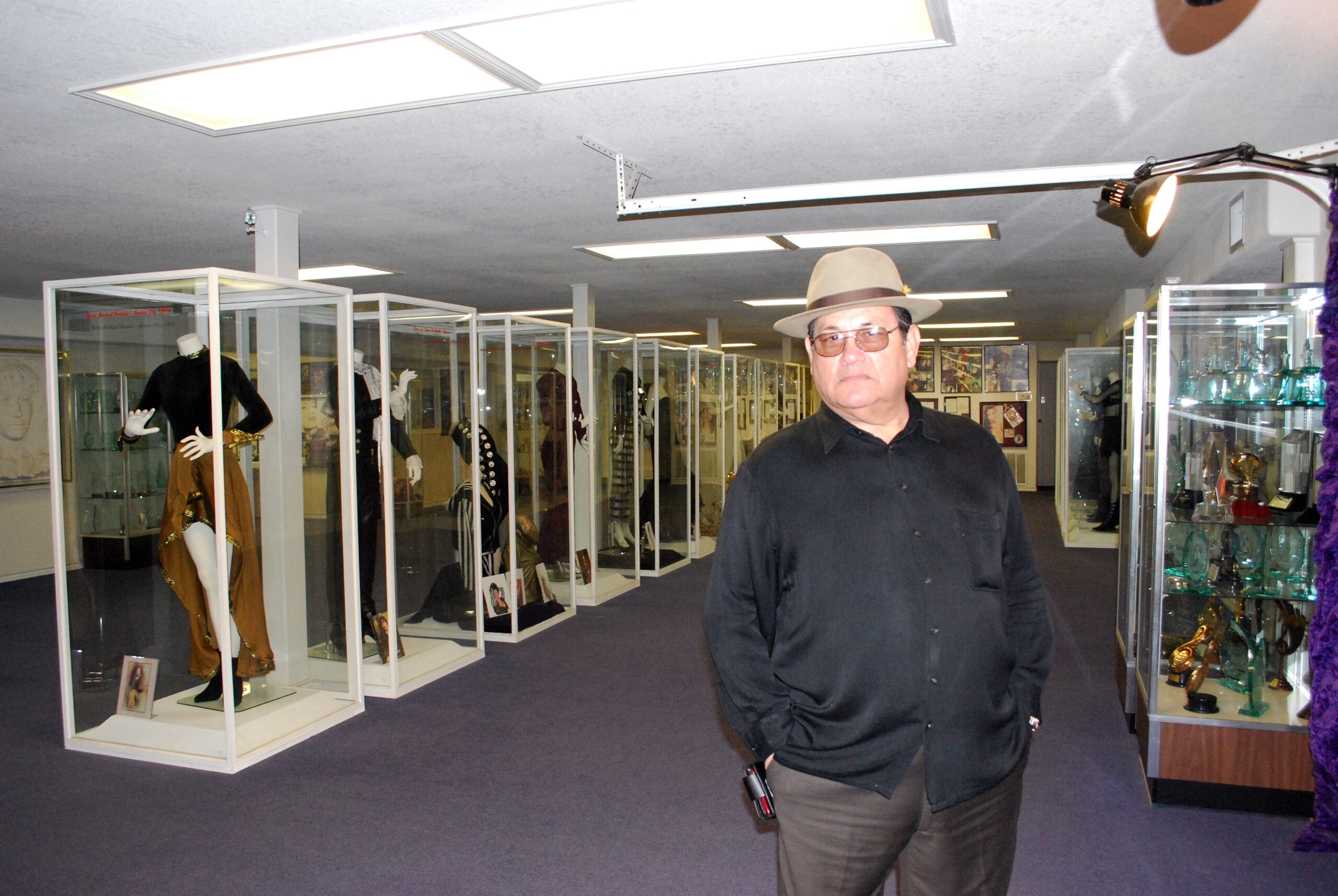
The Tejano music world lost two big names this past weekend.
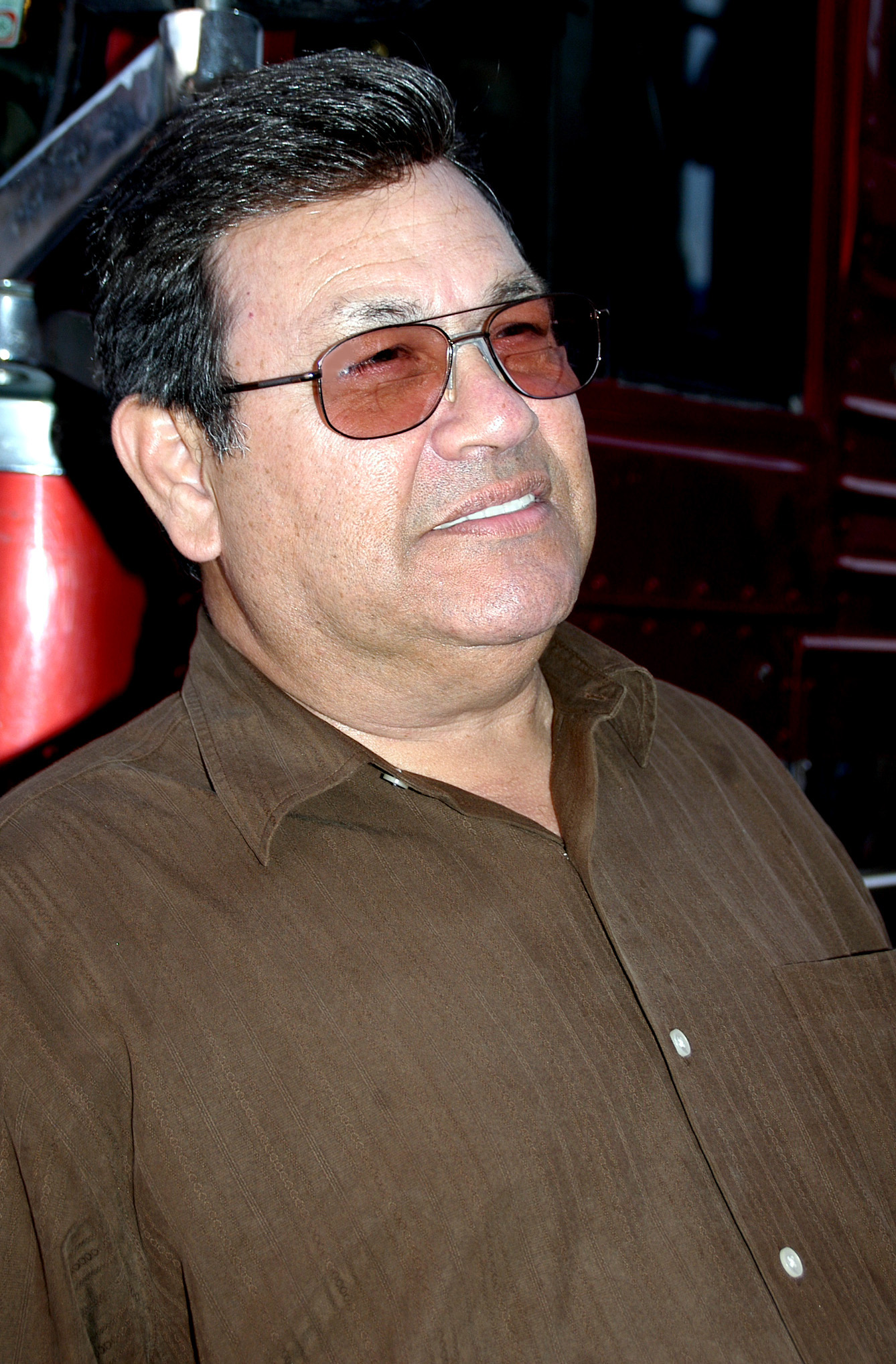
Producer, engineer and recording artist Manny Guerra died Friday after a battle with cancer.
This was followed by news on Saturday that Abraham Quintanilla – music producer, musician and father to the Queen of Tejano, Selena Quintanilla-Pérez – had also passed away.
It wouldn’t be a stretch to say that both Guerra and Quintanilla’s work behind the scenes was instrumental in shaping the sound, industry and future of Tejano music.
Hector Saldaña, Texas music curator at the Wittliff Collections at Texas State University, joined Texas Standard to remember and delve into the legacies of both men. Listen to the interview above or read the transcript below.
This transcript has been edited lightly for clarity:
Texas Standard: You were telling me just before we got started here that as much as these names were known in Texas and certainly among fans of Tejano music, they really knew the caricatures, not the people.
Could you say more about that and why that’s so important to you?
Hector Saldaña: You know, both Abraham Quintanilla and Manny Guerra were very strong personalities, and Abraham especially known for that protectiveness. But both men were incredible musicians and loved music from a very young age.
And Manny Guerra in particular, who was known as a producer of all the major Tejano stars, including Selena’s first big hits: “Amor Prohibido,” “Bidi Bidi Bom Bom,” “Como La Flor”… I mean, recorded there in San Antonio at Amen Studios.
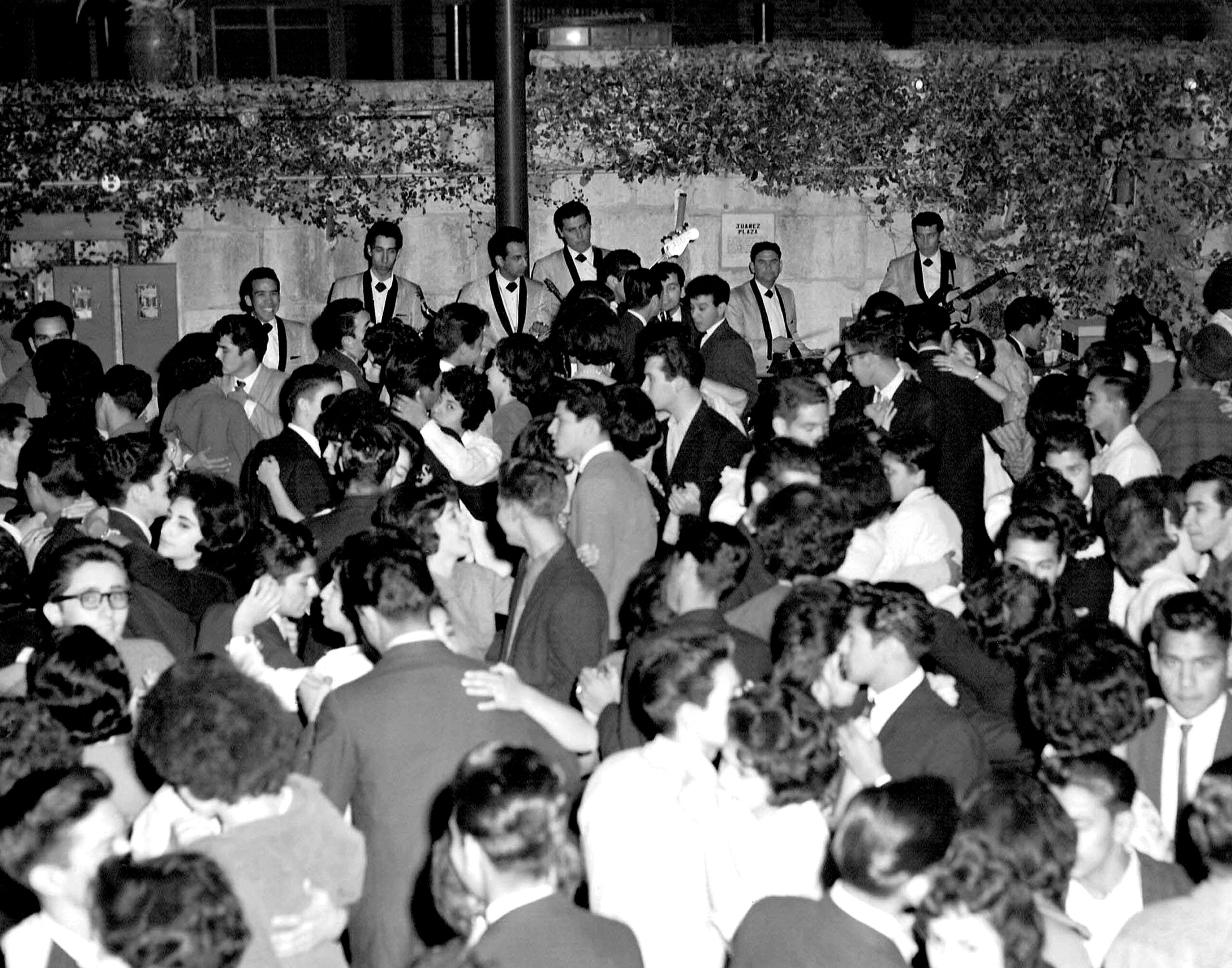
But Manny was a member and the band leader of The Sunglows. He formed that group. If there is a band in San Antonio or South Texas that is that West Side Sound, it is the record “Talk To Me.” And really, The Sunglows became that sort of foundational band of Tex-Mex and what we know as Tejano music, performing in Spanish and building on what they had started.