From the Texas Observer:
For the Gulf Coast oil and gas industry, the mini-region around the 50-mile-long Laguna Madre is the final frontier.
A rare hypersaline lagoon that separates the Padre islands from the deep South Texas mainland, the Laguna Madre is ringed in its southern reach by the small coastal communities of Port Isabel, Laguna Heights, Laguna Vista, Long Island Village, and South Padre Island. This area has long avoided the oil refineries and gas processing plants that dominate cities farther up the Gulf like Corpus Christi, Houston, Freeport, Galveston, and Port Arthur. What little presence the oil and gas industry has had here centered on shipping product out of the Brownsville Ship Channel, which connects the eponymous city to the lagoon, and this activity mostly dried up late last century.
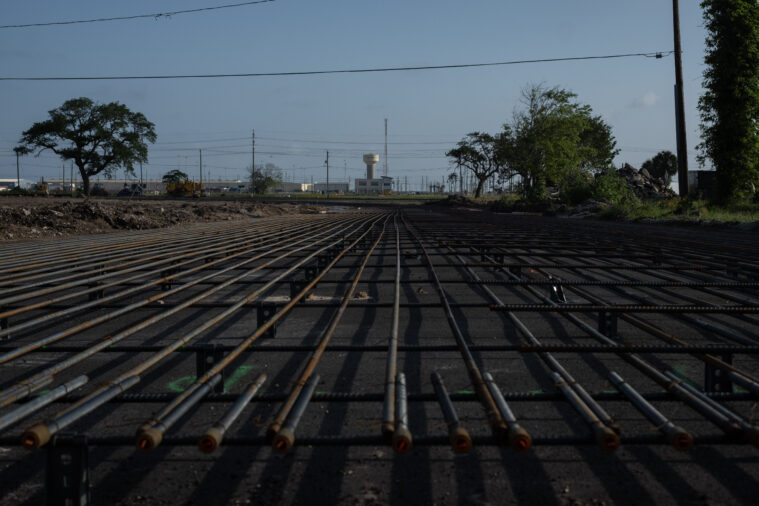
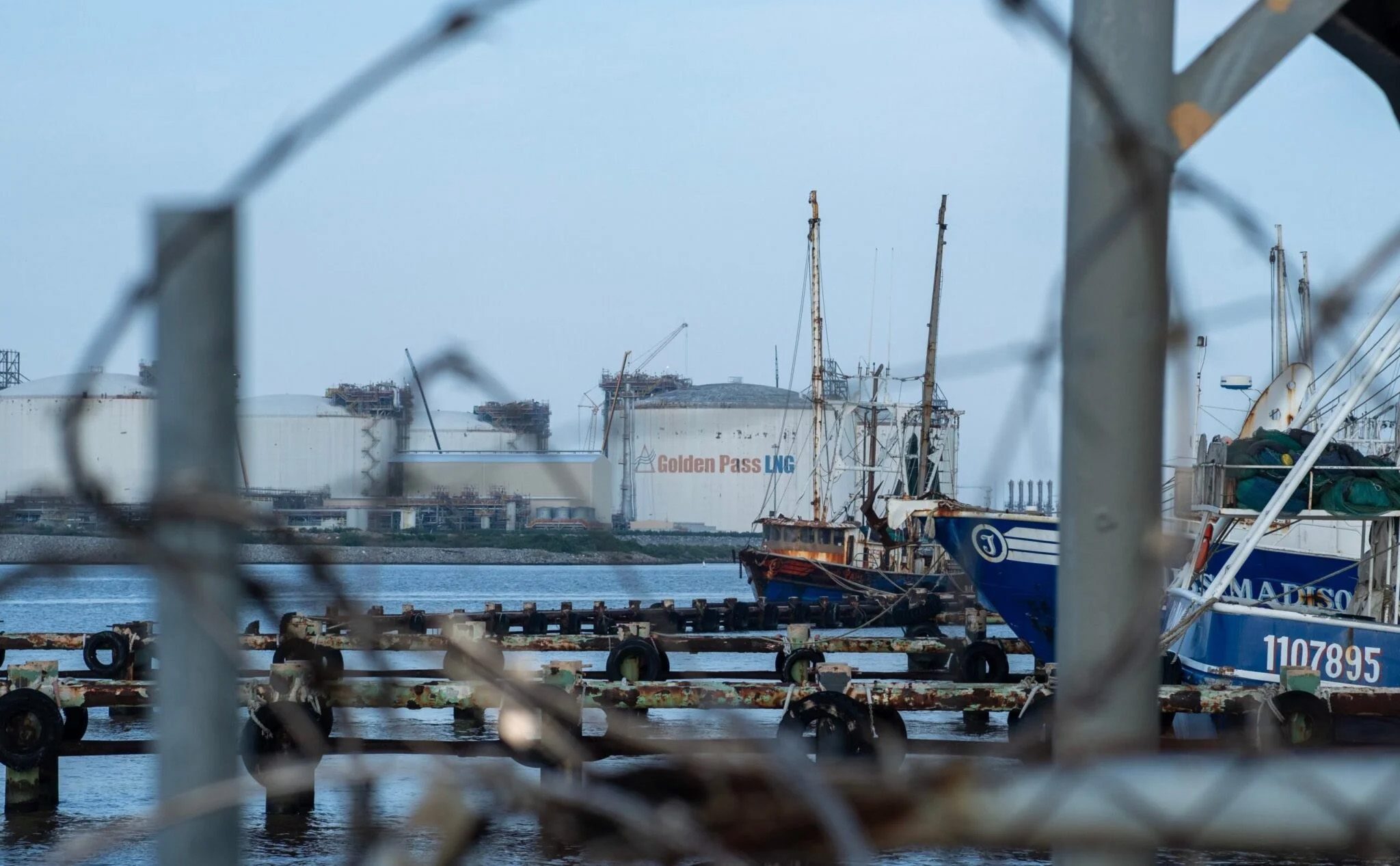
But all that is changing. This summer, two storage tanks for the huge new liquefied natural gas project, Rio Grande LNG, have emerged to towering heights over the state highway that links Brownsville, some 20 miles west, to the 5,000-person town of Port Isabel. The project, set to be the first of its kind in the Rio Grande Valley, will chill gas coming through pipelines—laid over the past decade amid the country’s “shale revolution”—into liquid form 1/600th the substance’s previous size. This liquefied gas will then be exported via massive tanker ships past the jetties of South Padre Island and across the world. The under-construction project has already poured concrete over nearly a thousand acres of ecologically fragile wetlands and lomas, clay dunes formed over thousands of years.
This transformative development has been aggressively touted by NextDecade, the publicly traded Houston-based company behind Rio Grande LNG, as a job creator that will be environmentally sensitive and won’t affect tourism. But locals say it threatens existing ecotourism and fishing industries, and federal regulators have agreed, pointing to the number of LNG tankers coming in and out of the ship channel.
Nearly 100 years ago, Cameron County commissioners initiated the creation of the Brownsville Ship Channel, wanting the Valley to venture into a new phase of global economic engagement by exporting the area’s plentiful citrus and cotton overseas. As decades wore on, companies like Marathon built offshore oil rigs at the Port of Brownsville and employed hundreds before closing in the late 1980s after the country’s oil bust. Union Carbide, a chemical manufacturer, met the same fate as butane prices doubled, leaving workers jobless after the plant closed.
Trade, logistics, rig-building, and shipbreaking haven’t left the port, with the various companies there employing about 3,400 people. But today’s officials in Brownsville—population 190,000—want something bigger: to bring back the oil and gas industry as part of a region-wide attempt to remake the area’s economy into a hub of international corporate investment. To help realize this vision, Rio Grande LNG is fronting the cost of dredging the channel deep enough for some of the largest tankers ever made to traverse.