The Upper Guadalupe River Authority chose tax cuts over improving flood warning systems

The authority is under scrutiny after the July 4 floods killed over 130 people in Texas.

By Sarah AschJuly 24, 2025 2:33 pm,

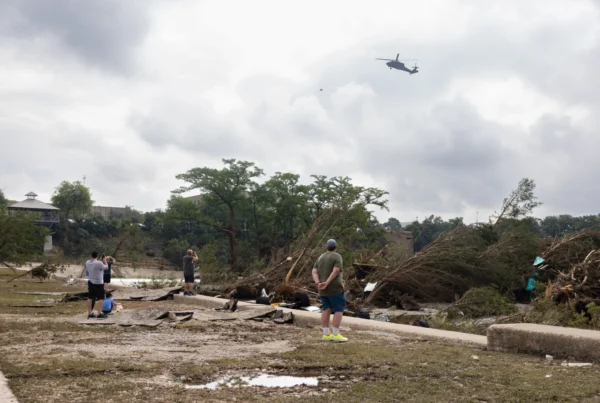
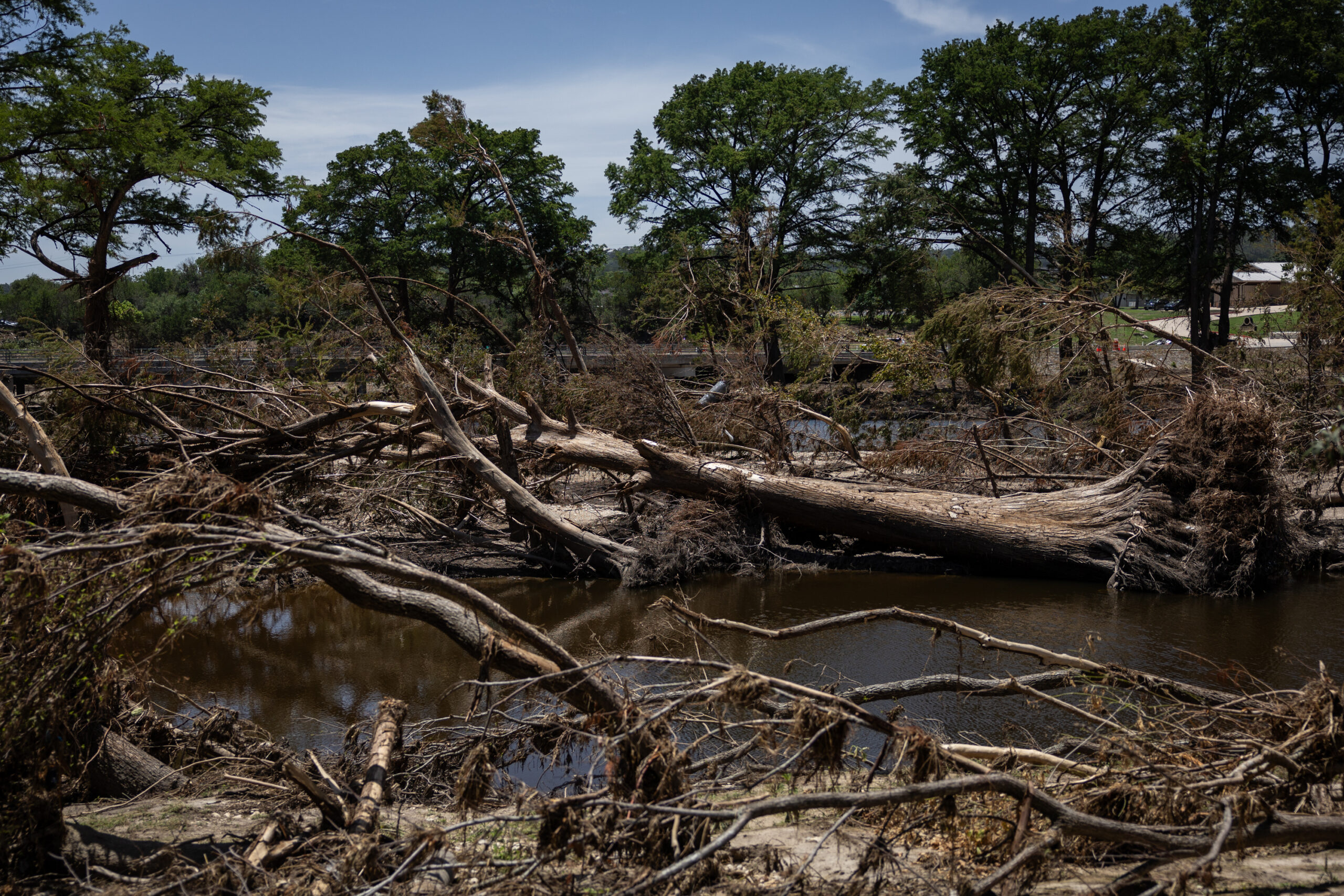
House and Senate lawmakers on Wednesday launched their first formal discussion into what happened during the July 4 floods that killed more than 130 people.

During the 12-hour session at the Capitol, lawmakers heard harrowing stories of what happened before, during and after the floods – and they zoomed in on why there weren’t better alert systems across what’s long been called flash flood alley.

An administrator for the Upper Guadalupe River Authority testified that they had twice applied for funds for an alert system in 2017 and 2018, but were denied. That administrator said that they tried again in 2024, but because of the low state matching funds, the authority decided not to move forward with the plan.

Texas owns all of the waterways in the state and has delegated that management to a series of river authorities. The Upper Guadalupe River Authority covers the Guadalupe River in Kerr County.

Neena Satija, an investigative reporter at the Houston Chronicle, said this is not the first time that an alert system in Kerr County has been up for debate.

“In 1987, there was a terrible tragedy on the Guadalupe River in Kerr County. Ten campers actually were trying to escape rising floodwaters and got swept away,” she said. “And so after that, a couple years later, they implemented, at the time, a state-of-the-art flood warning system. The river authority actually implemented a 46% property tax hike in order to pay for that.”

» MORE: How can the next disaster in flash flood alley be prevented?

Thirty years later, the river authority realized they needed an upgrade. But that time around, they didn’t put a property tax on the table. Satija said it isn’t clear why.

“We’d certainly like to talk to officials from the river authority and from their board. We tried many times. We did not get any answers from them,” she said. “What we can see from public records and speaking to previous board members is they really just shifted their priorities.

“In the 2000s, they were really focused on increasing the water supply for Kerr County, which is developing quite a bit, has a lot of vacation homes, but also just people moving in. So that was a huge focus of theirs.”


Michael Minasi / KUT News

A Texas flag is pictured among flowers, photos, notes and toys for victims of the July 4 flooding at the memorial wall on July 17, 2025, in Kerrville.

Satija reported that the river authority built up a reserve of more than $3 million.

“For perspective, the flood warning project upgrade would have been about $1 million,” she said. “So we don’t really know, to be honest, why they chose not to spend much of that money on a flood warning product. Yesterday, during the legislative hearing, they got questioned about that, and they really didn’t give a great answer.”

However, the river authority administrator said part of why the warning system wasn’t upgraded in a timely manner was because of a lack of state funds to match the local contributions. The Texas Water Development Board only agreed to give them $50,000 for a million-dollar project.

“However, as lawmakers pointed out yesterday, the state was offering another $950,000, 0% interest loan they could pay back over 30 years,” Satija said. “It’s a pretty good deal. So the question is, why didn’t the river authority take that, especially when they had this reserve? Why did they instead choose not to take it, cut their property taxes down to levels, by the way, lower than they had been in ’89? And those are questions that we’d still like answers to.”

» GET MORE NEWS FROM AROUND THE STATE: Sign up for Texas Standard’s weekly newsletters

According to experts, there need to be more sensors to improve flood warning systems in the Kerr County area.

“As the UGRA testified yesterday, there’s only six of them on the Guadalupe River in Kerr County. We’ve talked to a lot of experts who say there needs to be a lot more,” she said. “They actually did not want sirens. None of these projects they applied for called for sirens. But the real question is: Whether you have sirens or whatever your alert system is, what is the data that’s informing alert procedures? When does a siren go off?”

There also needs to be a robust system in place for making sure the public is notified when necessary, Satija said.

The river authority “assumed it would cost around a million dollars. They did an engineering study to talk about some of these improvements several years back. So that could be the cost,” she said. “It would probably take two or three years to implement given what other counties have done in this space.

“But it’s not like one of these massive dam or flood control projects that take 10 or 20 years. So it’s really about the will at this point, not necessarily about the resources.”

If you found the reporting above valuable, please consider making a donation to support it here. Your gift helps pay for everything you find on texasstandard.org and KUT.org. Thanks for donating today.