‘They Called Us Outlaws’ charts how Texas artists heralded a new movement in country music

Artists ranging from Kris Kristofferson to Margo Price and Tyler Childers appear in the documentary.

By Leah ScarpelliApril 10, 2026 1:39 pm, , ,

Fifty years ago, an album came out with a title and a lineup of artists that seemed calculated to capture and capitalize on a moment. They were country artists, giving a kind of musical middle finger to the polished Nashville scene.

On the cover of the album were the faces of Waylon Jennings, Willie Nelson, Jessi Colter and Tompall Glaser. Printed in western typeface across the top: “Wanted!

While the album would go down as the first in country music history to go platinum, selling one million copies, it was in a sense just a sampler of a much bigger musical movement behind it — centered mostly in and around Austin, a community of like-minded musicians who refused to play by the industry’s rules.

A new docuseries, “They Called Us Outlaws,” chronicles the birth of the outlaw country genre. It premiered last month at South by Southwest with sold-out crowd.

Filmmaker Eric Geadelmann joined the Standard to talk about the project. Listen to the interview in the player above or read the transcript below.

This transcript has been edited lightly for clarity:

Texas Standard: There’s this outlaw label, right? You talk to hundreds of people who were involved in this movement that sort of seemed to come up organically here in the Texas capital city.

And yet, as much as that label sort of defines it, a lot of people that you spoke with said, look, it wasn’t something that we set out to do. In fact, they sort of brushed it off. They seem like the label rubbed them the wrong way.

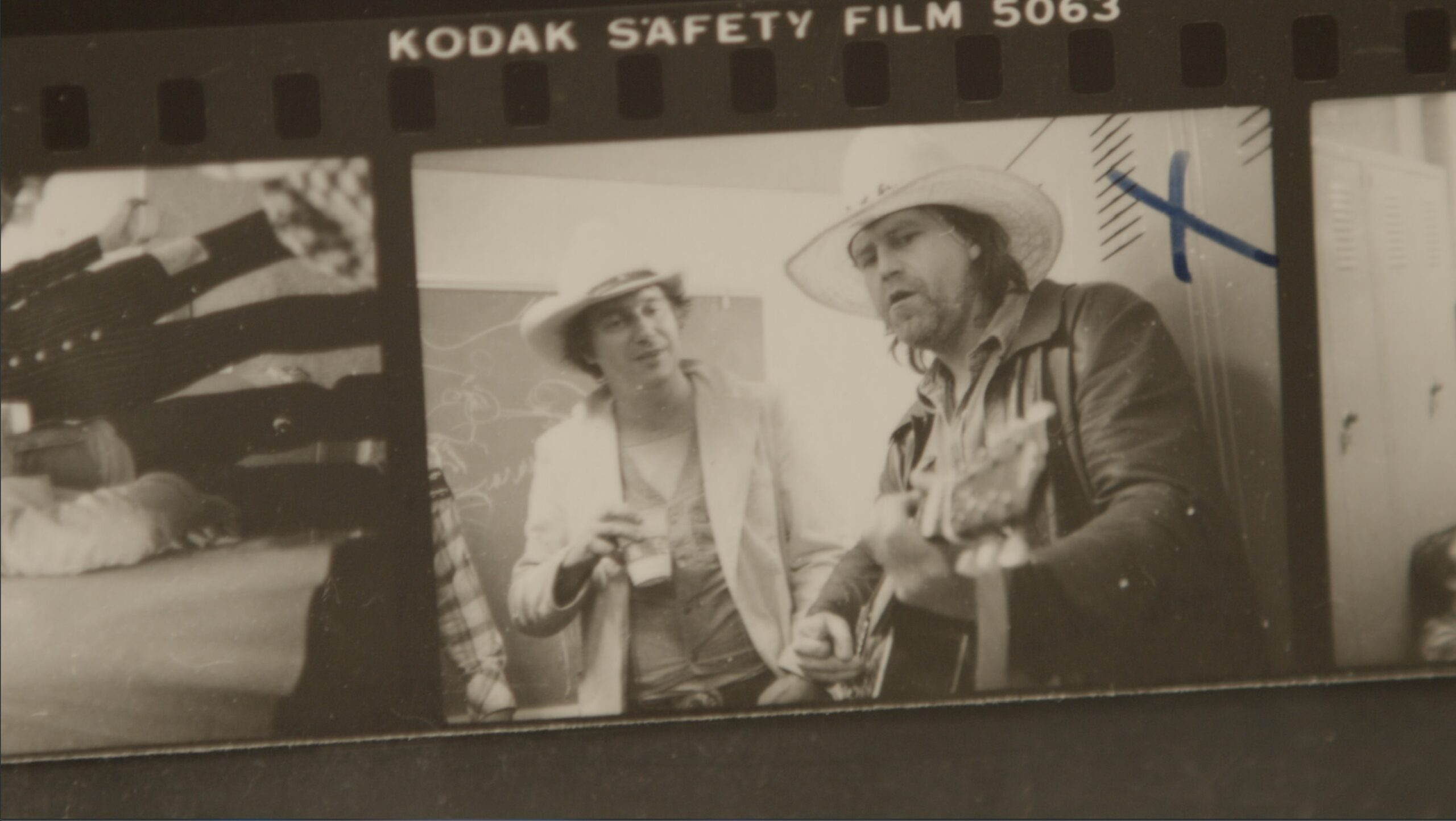
Eric Geadelmann: In fact, Waylon hated it, you know, it was marketing. And it gets back to how do you market authenticity? How do you mark it something that is new, that’s fresh, that’s exciting, that captures people’s hearts and minds and takes them on this ride and creates community.

But it was the industry really that put it on, this group of amazing artists who were really just doing what they did, just following what’s inside themselves regardless. I think that the word “regardless” is the key to all of that — then and now — and that it wasn’t about outcomes.
What you’re describing is that there was a kind of lightning that so many people wanted to capture in a bottle that happened.

Why in Austin, Texas? I mean, it didn’t happen in Nashville, and yet a lot of these folks were Nashville to the core in a sense, very much a part of the country music scene until it seemed like some of them said, “enough, I want to do something different.”

That sort of seems to be a big part of the genesis of where this musical movement sort of spontaneously erupted. 

Yeah, absolutely. And it was one of those planets-lining-up kind of scenarios. And mentioning Nashville, where you have Kristofferson who’s writing songs in a way that had never been done before, right?

And it really was kind of part of that underground Chris Gantry, Mickey Newbury… A lot of Texans.

Willie Nelson for crying out loud. And he was part of establishment, and I think he had sort of had enough.

Well, he totally had enough, and he wasn’t getting any traction as a singer. A lot of people thought that he was not a good singer, and he actually told us, you know, he said “that kinda upset me because I thought I was a pretty good singer but nobody else did.”

But, you know, to your point, there was this underground thing going on in Nashville. Parallel to that, you’ve got this cosmic happening in Austin, Texas — largely centered around the Armadillo World headquarters and planets just lined up.

» RELATED: ‘Outlaws and Armadillos’ celebrates the independent spirit of ’70s country

Let’s name-drop for a moment because you talked with more than a hundred different artists. Not all of them were around back in the ’70s when this was going down.

Drop some names. Tell me about some of the people who appear in this series.

There’s 130 artists in this. You know, we had the opportunity to start with Kris Kristofferson and that set the bar.

But, I mean, everybody from Tom T. Hall to Bobby Bare to I think it’s 16 or 17 Country Music Hall of Fame members and then nine Rock & Roll Hall of Fame members out of all this. So Leon Russell, Billy F. Gibbons, you know. The list is just insane.

Jessi Colter, of course. I mean she, Jessi, was also executive producer. I was very intentional with with her in developing that relationship which became really, really special — is really special. She’s like a part of our family. Our daughters, you know, they have a really special friendship with her and she’s been the heartbeat of this project. We wouldn’t be having this conversation if it wasn’t for her.

Courtesy of Shadowbrook Studios

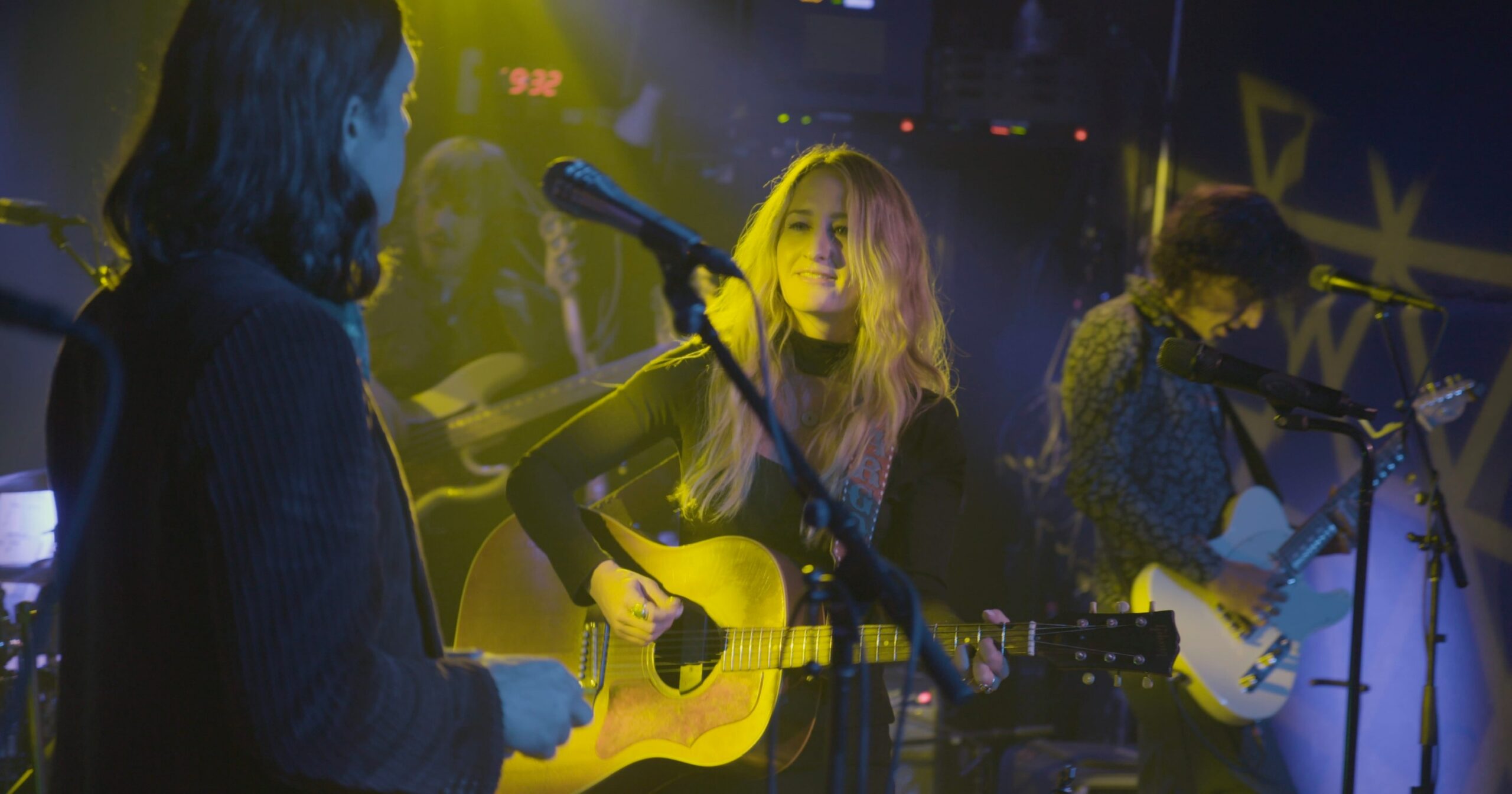
Margo Price is one of many contemporary artists who appear in the documentary.

But it wasn’t a nostalgia trip, which I think is really a cool thing. Tell us the story about how your daughter kind of issued an ultimatum here. What was that about? 

Yeah, well, so it’s 2021, and my daughter, who’s a freshman at the University of Texas — radio, film/ TV major — she said, “daddy, Tyler Childer’s gonna be in your film series.” And before I could even respond, she said “because if he’s not, I’m not having anything to do with it. I’m not going to any premieres, I’m not doing any events.”

And I’m like, whoa, time out, okay? I said, “walk me through this.”

She goes, well, you want us — as in, her generation — to learn about these legends and these icons and to listen to their music and to immerse ourselves in that culture from that era. But our way to that is through who we’re listening to now and who we are following and the influences and impact that they had on these current artists. And Tyler Childers is number one on the list.

And I was like, whoa, okay. And so that is where that whole pivot started. That now everybody from Eric Church and Tyler and, I mean, Margot Price… So many of those quote-unquote “superstars” of the era that sell out stadiums, but then also they’re just trying to pack in a local bar but that you’re going to hear from them because they’re amazing.

» GET MORE NEWS FROM AROUND THE STATE: Sign up for Texas Standard’s weekly newsletters

Courtesy of Shadowbrook Studios

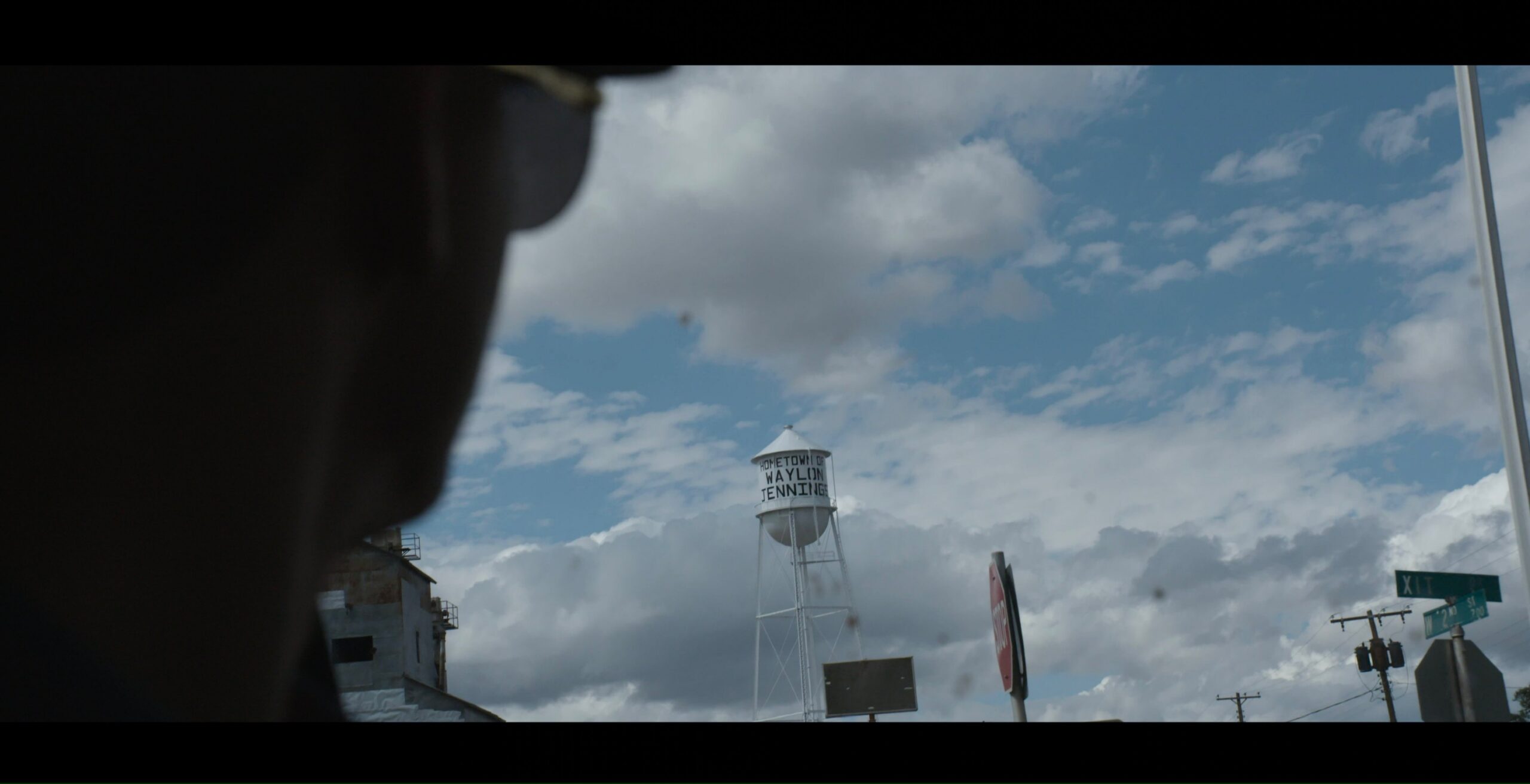
Screenshot

The thing that seems to single out this moment in time is not just the music, but the fact that so much of it was being done by people who ran in the same circles in the same place.

I think about how we’re now seeing that sort of return to authenticity in country music and this hunger among audiences, younger audiences, they seem to be responding to the exact same thing that those crowds that the Armadillo were responding to in the early seventies. Obviously it’s their own, but now how do you see it?

I mean, I think there’s longing for authenticity that I believe part of that can only come through community. That’s one of the big takeaways of this entire project.

And you really get a sense of, wow, the importance of community and lifting each other up in a safe environment. That’s what Austin was — specifically the Armadillo, where you really could be yourself. I think, you know, music obviously fosters that.

You know, there were so many places to play and that’s what you did in the evening. That’s what you did at night. And everybody would sit in with everybody else. It’s crazy how much raw footage and stuff that we have just randomly at different clubs and different venues. And you just listen to it or just watch and you go, “God, man, I wanna go back there.”

And so as a filmmaker, that’s kind of our responsibility — to transport you back to that time and era, to allow you to experience that, at least to the extent that you can, but in a way that is not just entertaining, but does something inside that motivates and inspires you to want to take that forward some way, somehow.

If you found the reporting above valuable, please consider making a donation to support it here. Your gift helps pay for everything you find on texasstandard.org and KUT.org. Thanks for donating today.