Have you heard of Valley fever? Depending on where you live in Texas, you could soon become more familiar with it.
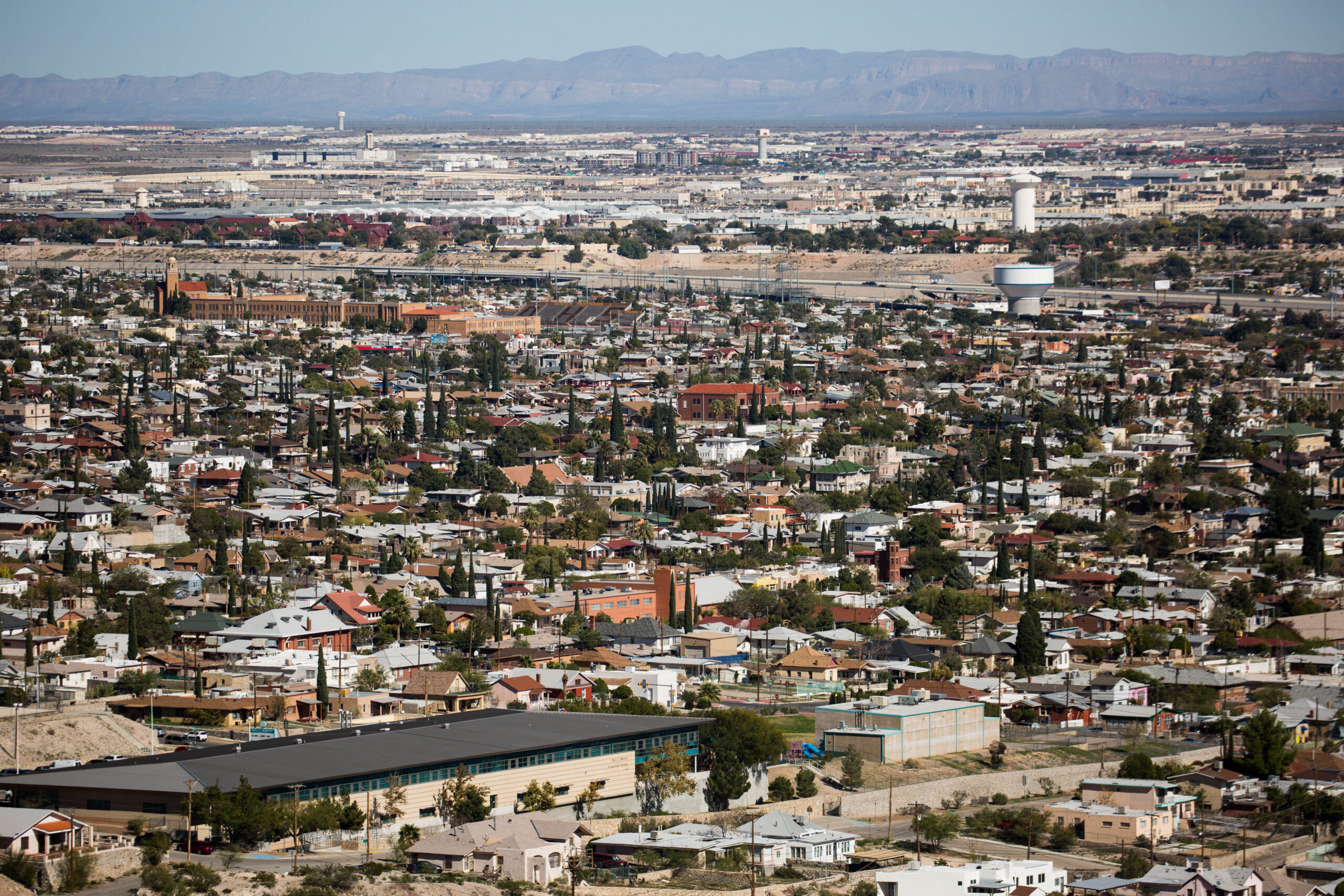
Valley fever is an illness spread by a fungus in the soil in hot, dry climates. Cases of Valley fever have tripled in El Paso between 2013 and 2022.
A new study from the University of Texas at El Paso links that to extreme weather and dust.
Dr. Gabriel Ibarra-Mejia, an associate professor of public health sciences and one of the lead researchers on the study, joined Texas Standard to share what Texans need to know about the disease. Listen to the interview in the player above or read the transcript below.
This transcript has been edited lightly for clarity:
Texas Standard: Well, I remember hearing about Valley fever a lot in the Phoenix, Arizona area, but most people here in this region are not familiar. Let’s start by telling listeners a little more about the symptoms of Valley fever.
Gabriel Ibarra-Mejia: Valley fever is a very common disease, yes, in all southwestern states of the United States, but we rarely hear it about here in Texas.
The symptoms could be very mild. They can mimic a simple upper airways respiratory disease and maybe go back deep into the lungs and cause pneumonia.
If left untreated or undiagnosed and untreated, then it can create several other types of complications throughout all the entire body. So it can lead to disability and even death.
Well, very serious. And I remember hearing even some dogs were getting it out there.
Yes, yes, it is very also common in other animals, especially dogs.
Well you found cases increased not just as part of regular dust events — which we see here of course, especially in the spring — but they were related to extreme wind and those dust events combining. Tell us about that.
Yes, well our research says a couple of things.
The first thing is that it’s a combination of factors and depending on the time of these weather occurrences. For example, we have shown that it was associated after one month of having high levels of PM2.5 and PM10, but after four months of having these dust events or other types of dust-related issues.
“PM” is particulate matter. Particulate matter is a type of contaminant that is monitored continuously by the TCEQ and using their equipment. And this is basically very small particulate matter, smaller, like a hundred times smaller than the diameter of a hair. We call it like that because of the size, which is 2.5 microns.
And the importance of this is that can actually go into your upper airwaves, go all the way down to the lungs, and sometimes get into your bloodstream through the lungs.
So it is not necessarily, you know, something that we’re going to see in the same month or the following days after any of these extreme weather events, but it’s going to take time. And this is just because that is the pathogenesis of this fungi.
So does your research help predict when people might be more susceptible to Valley fever?
Our model tends to predict that after we have several conditions, the most important one is actually having one month prior a heat event that is greater than 102 degrees, and having PM2.5 and PM10 levels that are also very high.
After one month, we can expect some cases. The other one is after four months of having these dust events.
So what work needs to be done to educate people in the El Paso region about Valley fever?
Our efforts are into increasing awareness that this is a condition that is prevalent to El Paso.
One thing that we are trying to do is that to bring awareness to the entire state, because Valley fever cases are only a reportable condition in El Paso County. But there is a high probability and we have a level of uncertainty there are other cases in other parts of West Texas and even all the way to South Texas.
» GET MORE NEWS FROM AROUND THE STATE: Sign up for Texas Standard’s weekly newsletters
So this is out there, but right now we’re not tracking it as much, or…?
Yes, it’s not being tracked. It’s something that is only being tracked here in El Paso County.
Oh, so we don’t know how widespread it might be in other parts of the state.
At this point we don’t. In other states like California and Arizona, New Mexico, it’s a reportable state for every county, but here in Texas only for El Paso County.
Oh, so much more to learn about this. Getting back to this region, and maybe elsewhere down the road, what role does development play in exacerbating, if it does, the risk of Valley fever?
The spore, to call it like that, of Valley fever, does not live on the surface of the soil. It’s a little bit deep, about four or six inches deep.
So usually when there’s a lot of soil disruption, like that associated to construction sites, live blasting, even small things like animal burrows, they tend to dig up the spores and bring it out to the surface.
And after the conditions are right, like a little bit of moisture a couple of weeks, then these spores will either sprout by themselves — or in our cases, in the climate that we have, which is hot and dry, and then it tends to have a lot of wind — then these pores will be transported elsewhere using wind.
Getting back to the individual, how would someone know they have Valley fever? Because some of those symptoms sound kind of generalized. And then maybe some prevention tips for people.
Yes, they sound very generalized, but there is a specific antigen test that your health provider can perform.
What we also want to do is bring awareness to healthcare personnel to actually seek actively these types of cases because we also feel, and there has been studies that say, that this disease was heavily underreported.
How to protect yourself: If you see these conditions, now be aware that, not on probably the day of the event, but after several days, you might have these type of symptoms, and this could be up to a month or even up to four months after.
Once you start getting these symptoms, seek the advice of professional healthcare personnel. Don’t medicate yourself, don’t try to just disregard it. And in order to prevent it, for us, it’s very important to bring awareness to when there’s dust events, when there’s heat waves, when they’re continuing monitoring our very prolonged drought that we have in this region.
But also this goes over to the individual level. If you’re disrupting the soil, you’re digging up a hole, if your job involves digging — building trenches or being exposed to dust that’s being disrupted by machinery — then protect yourself.
You know, the least that you can do is at least wear protective equipment to cover your nose and mouth and just be aware that this is actually something that can happen in this region.