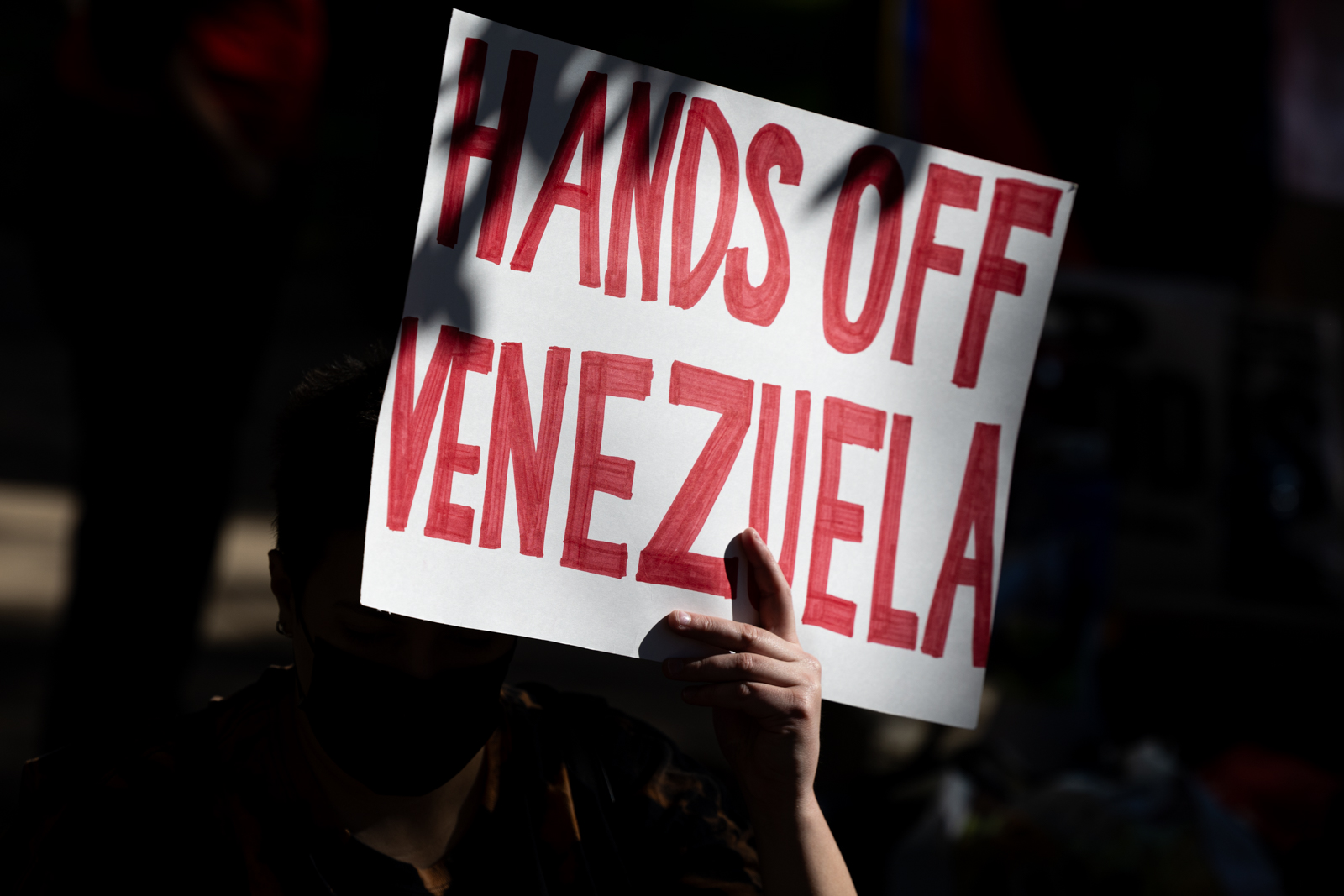
This week, the Talk of Texas has been hearing from Texans reacting to the removal of Venezuelan President Nicolás Maduro over the weekend.
One of those voices came from Alejandro Puyana, a Venezuelan-American writer based in Austin.
Puyana’s the author of the novel “Freedom is a Feast,” about life in Venezuela – a book we covered on the Standard in 2024. Puyana left us a voice message through the Talk of Texas, but we wanted to dig a little deeper. Listen to the interview above or read the transcript below.
This transcript has been edited lightly for clarity:
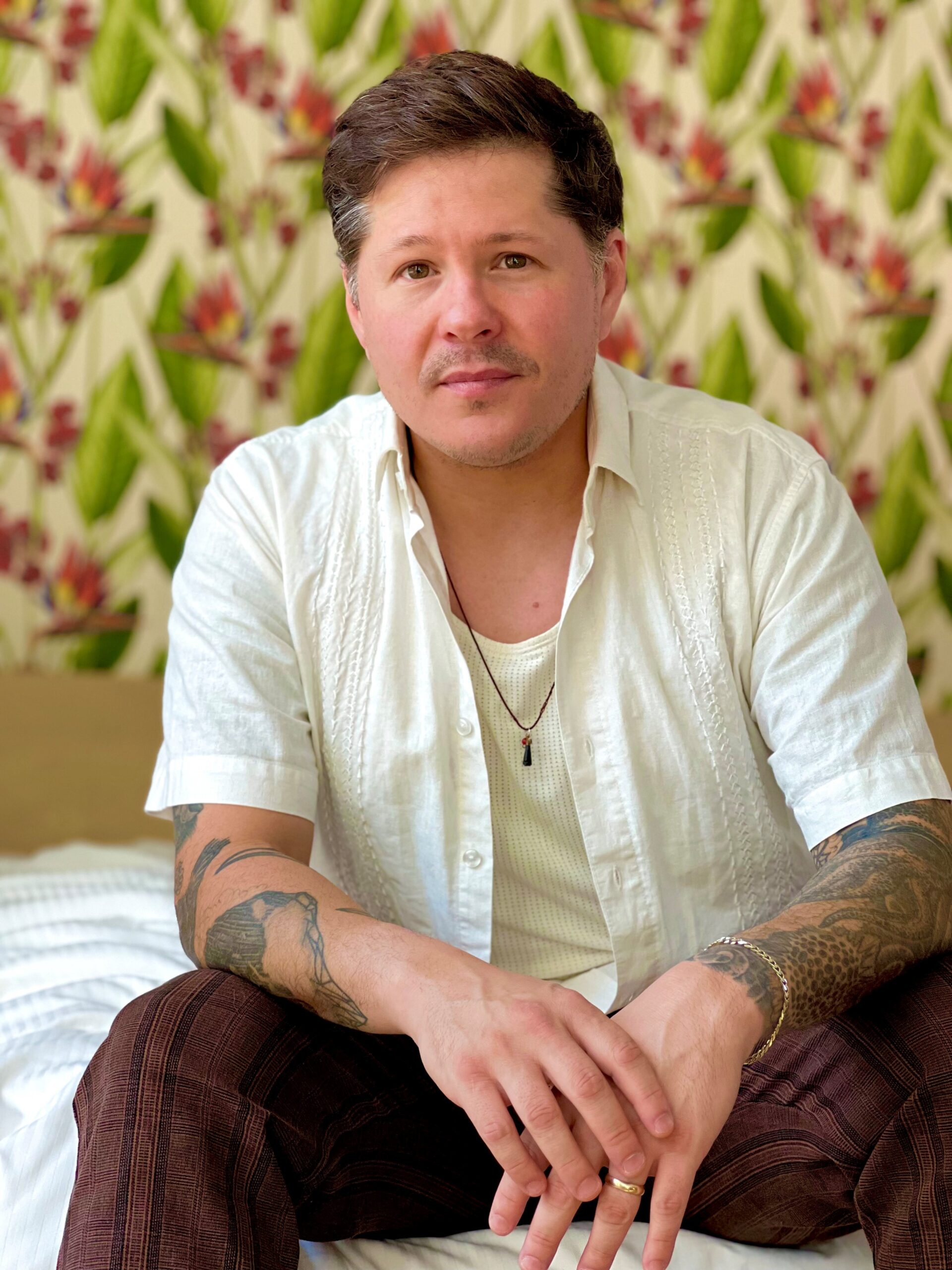
“Freedom is a Feast” author Alejandro Puyana. Photo by Emilia Galavis
Texas Standard: Let’s begin with your reaction when you first heard the news over the weekend. I mean, on one level it was a huge surprise. On another level, President Trump had been warning about something like this for weeks.
What went through your mind in that moment when you heard the first news?
Alejandro Puyana: Yeah, well, I got a phone call from my mother at 2 a.m., which is always a horrible thing to get because you don’t know what’s happened. My mom told me that they had just bombed Caracas and it was first fear and concern for loved ones and friends and family that I have living there. And then very soon after, just a deep dive into news.
So immediately on WhatsApp with my best friends and with my family members, looking into coverage and seeing what I could find. And yeah, very afraid for what could happen on one side. And also a small part of me, I think, had hope of what this could mean for the end of a regime that’s been horrible for the nation and for my people.
What a mix: fear and hope. I know you’ve written fiction about Venezuela, but you’ve also lived this history personally. How did your experience growing up there shape the way that you have been processing?
Yeah, it’s impossible to divorce those two things.
You know, when I grew up in Venezuela, like you said, when I first moved to the U.S., my dad was running an opposition newspaper in Venezuela called Tal Cual, which is still running now. And he had a lot of run-ins with the government, with the regime.
He was prohibited from leaving the country. There was always a threat of my dad possibly going to prison as a political prisoner. So those fears were always up in the air for us, for my family and for me leaving abroad.
Me and my sister lived outside of Venezuela. It was always a looking back at home and wondering what was gonna happen. So I’ve lived, very personally, the effects of this regime.
» SHARE YOUR THOUGHTS: Leave us your own voice message to play on the show
In your Talk of Texas message, you touched on the difference between wanting Maduro gone and of course your questions about how that happened, how that went down.
Can you say more about that tension? You know – relief on one hand, concern on the other?
Yeah, I think for many Venezuelans, we are split inside. On one side, we have joy and there’s a cause for celebration for the regime – or for at least Maduro and Celia Flores – to have been taken out of the country. I mean, they’ve done so much harm to so many people.
But on the other hand, most Venezuelans understand that this is not for free. You know, Trump has his own agenda. He is, in his own way, a tyrant, in my point of view, and is interested only in what Venezuela can give him – you know, minerals, oil, riches, whatever that may be. And the means that he’s achieving this are horrifying in certain ways.
But we can’t forget also that Venezuelans have dealt with this regime for over 20 years – desperate for anything that resembles hope. And this also provides that. So we are juggling two things.
It was horrible to hear Trump’s press conference the day after the attacks, how he was going to, quote-unquote, “run” Venezuela. It was repulsive. It was humiliating.
So it’s a very complex place to be. I think we can hold both of those things at the same time. We can hold, on one hand, the idea that this might be a path for Venezuela to be in a better space. And it also might be a path to a whole different way of oppression.
And the reality is we don’t know where we’re gonna land. We just know that we are here now and we have to try to make the best of it.
» GET MORE NEWS FROM AROUND THE STATE: Sign up for Texas Standard’s weekly newsletters
For other Americans and Texans who may not have close ties to Venezuela as you do, what do you think is most important to understand about this moment, especially about what comes after a leader like Maduro is removed?
First of all, we have to allow Venezuelans to feel their feelings. Like, they are entitled to feeling happy and joyous about a terrible dictator being deposed. That’s on one hand.
On the other hand, we have to try to hold our leaders accountable for the actions that they’ve done. Who knows where we’re going to be a year from now or two years from now. There might be consequences for how Trump acted and how he went about things.
We have to be open to those kinds of things, but we have to hold both things at the same time.