Tribute album looks to help save Mexia home of hit-making songstress Cindy Walker

‘It’s All Her Fault’ celebrates the legacy of the artist who wrote countless songs made famous by performers like Bob Wills, Ray Charles and Roy Orbison.

By Leah ScarpelliNovember 21, 2025 9:15 am, ,

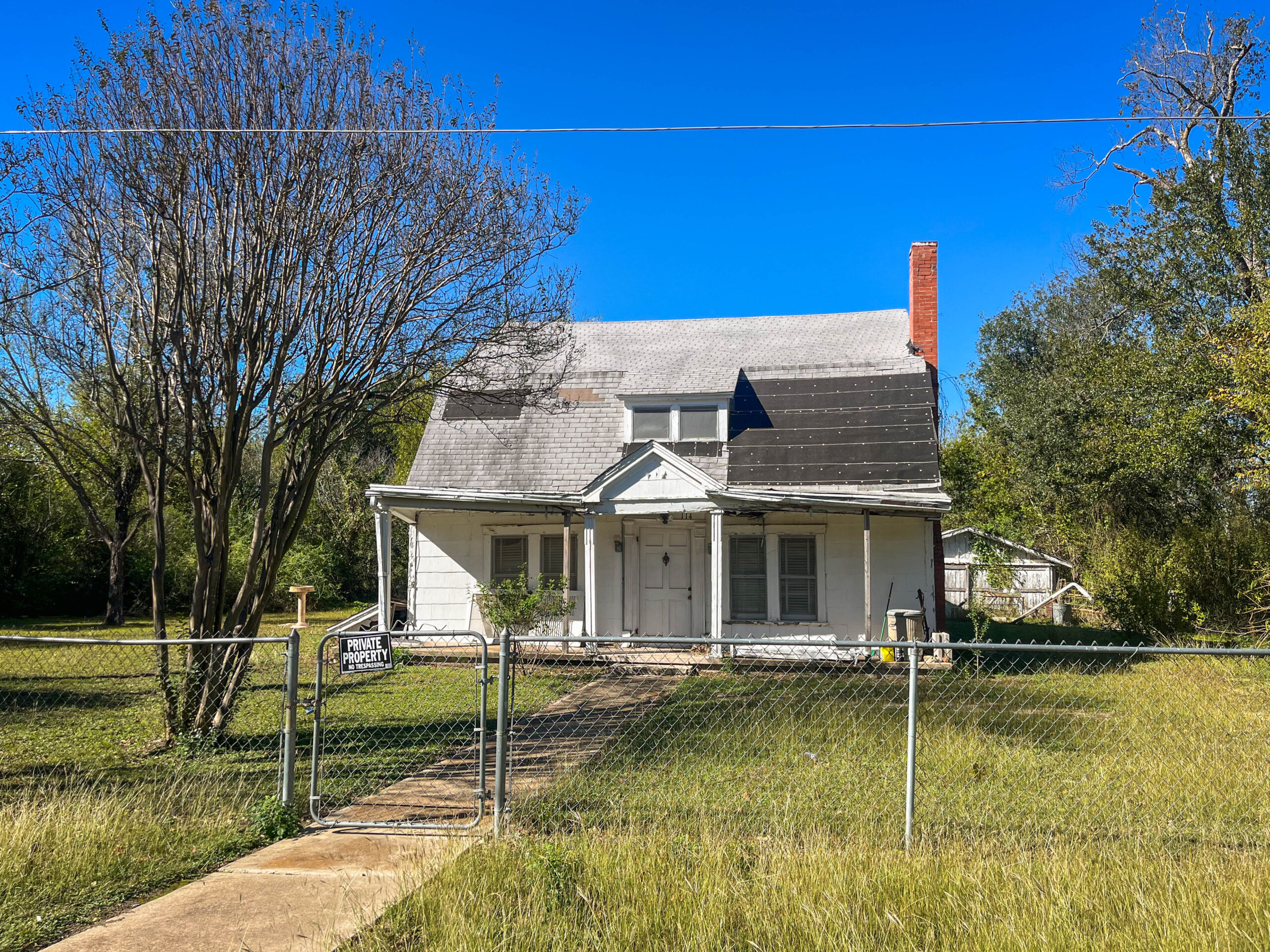
On a quiet street on the outskirts of Mexia sits a modest, two-story white house. It’s in obvious need of repair: the paint is chipping and the eaves are collapsing. 

Lindsay Lipman meets me to take a tour. Lipman’s a longtime journalist who helped start a foundation to preserve the story of the town’s most prominent musical celebrity: singer and songwriter, Cindy Walker. Originally from Mexia herself, Lipman teamed up with two of Walker’s nieces to start the organization.

While she may not be a household name, Walker’s fame lies with the ubiquity of her songs. She penned hits like “Dream Baby” and “You Don’t Know Me” that became famous when sung by artists like Willie Nelson, Bing Crosby, Ray Charles, Patsy Cline, Roy Orbison and many others.

70 years ago, as Cindy Walker’s star approached its peak in California, her brother suggested she and their mother, Oree, come back to Texas – to be closer to him and his family.

“When she bought this house, sight unseen, it was basically on her brother’s word,” says Lipman. “And so, she bought the house while they were still out in Hollywood and then got here in the 1950s and then stayed here all that time.”

Walker stayed for over half a century, from age 36 until the end of her life at 88. Lipman says Walker didn’t come back to Mexia to retire, however – this is where she spent her most prolific years as a writer.

“Where we’re standing is where Willie Nelson would visit her,” Lipman said. “Ernest Tubb, Bob Wills… They’d pull up on their big buses and stop by and talk to Cindy. But she definitely had kind of an oasis.”

The door of the room where Cindy Walker did most of her writing. Leah Scarpelli / Texas Standard

Lipman takes me into the house. In the first room we enter, the floor is caving in from water damage. Cobwebs hang from ceiling tiles that are falling down. It’s musty and clearly uninhabitable.

Lipman takes me around downstairs, then up – where Walker’s writing room sits in the far back corner.

“And so there was a record player here and her couch and her desk here,” says Lipman. “You can see the lock on the door. She would basically almost like clock in, start working. Her nieces were told, like, ‘don’t bother Aunt Cindy when she’s in this room.’”

Walker would write and cut demos with her mother, Oree, often accompanying her on a baby grand piano to help give form to the music.

Among the slanted floors and cobwebs, Cindy’s spirit lives on in many ways – a lot of it in pink. Lipman says Walker hand-painted her typewriter and drew designs on cabinets.

“She named every single tree in the yard,” says Lipman. “She would climb the trees. I’ve got a picture of her at my age in her 40s in a tree – I love that about her. I love it. You know her drapes are frilly and that’s kind of who she was. She was very whimsical.”

Soon, a Texas historical marker will sit outside. There’s an application to put the house on the National Register of Historic Places. The total cost to repair it will likely exceed tens of thousands of dollars.

“We’re just a small group of people who care a lot about what Cindy gave,” says Lipman about the Cindy Walker Foundation. “Not just to the Mexia community, but to Texas and to America in general.”

Finding her stage

Cindy was born Lucille Walker in 1917 and came from a musical background. Her grandfather, Franklin Eiland, wrote spiritual songs, hymns – even published hymnals. Cindy never met him, but as the child of a cotton broker, she moved around a lot. As they traveled, her mother began operating song and dance studios. 
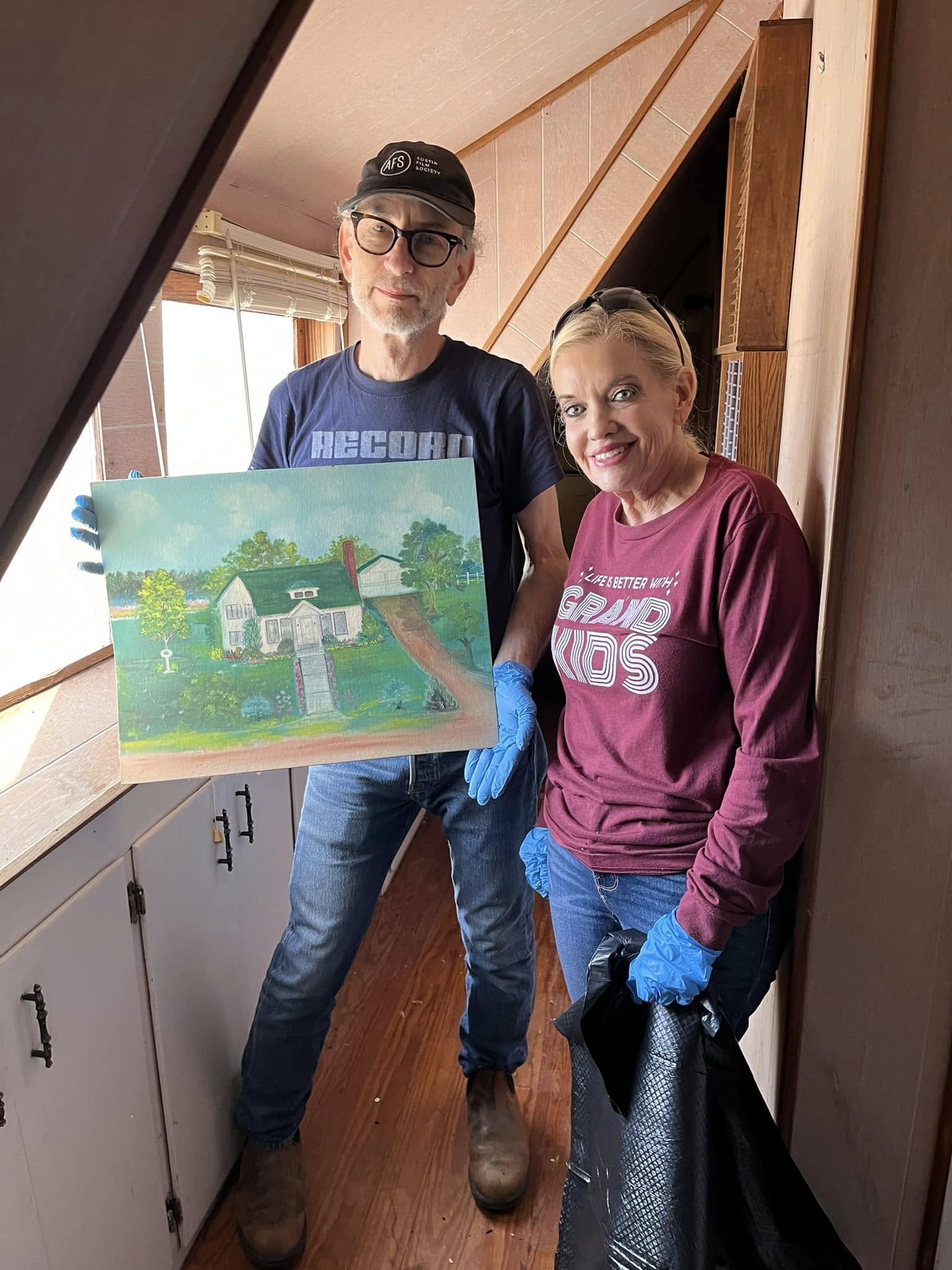
Gregory Smith is a professional historian and board member of the Cindy Walker foundation. He’s also working on her biography. He’s holding one of Cindy Walker’s paintings found in the house. Courtesy of Lindsay Lipman

Gregory Smith is a professional historian and board member of the Cindy Walker Foundation. He’s also working on her biography. He says he has a newspaper clipping of Cindy Walker performing at three years old.

“She started performing on stages, just about any available stage,” says Smith. “And so this included movie theaters, wherever they happened to live… On the radio, when that was possible.”

At age 19, Walker was performing in a chorus line at the Casa Mañana in Fort Worth during the Texas Centennial. She’d brought her guitar and was practicing backstage. Smith says it caught the attention of Paul Whiteman.

“And he was a big deal. He was the most popular band leader at the time. And so he basically discovered her singing this song, [called “Casa Mañana”], had it arranged for the orchestra – that and another song. And he played it on a national broadcast from Fort Worth in 1936.”

In 1940, the family traveled to Hollywood, presumably for her father to sell cotton. Smith says he has another thought: “I think they were going on this trip to sell Cindy Walker.”

The story goes that as the family were driving down Sunset Boulevard, Cindy saw the Crosby Building and asked her father to stop the car. They met with Bing Crosby’s brother and business manager, Larry.

And so she brought her mother in to play piano as she sang ‘Lone Star Trail’ to Larry Crosby,” Smith said. “Larry Crosby soon thereafter introduced her to Bing Crosby.”

Lone Star Trail” became Walker’s first published song.
Courtesy of Lindsay Lipman

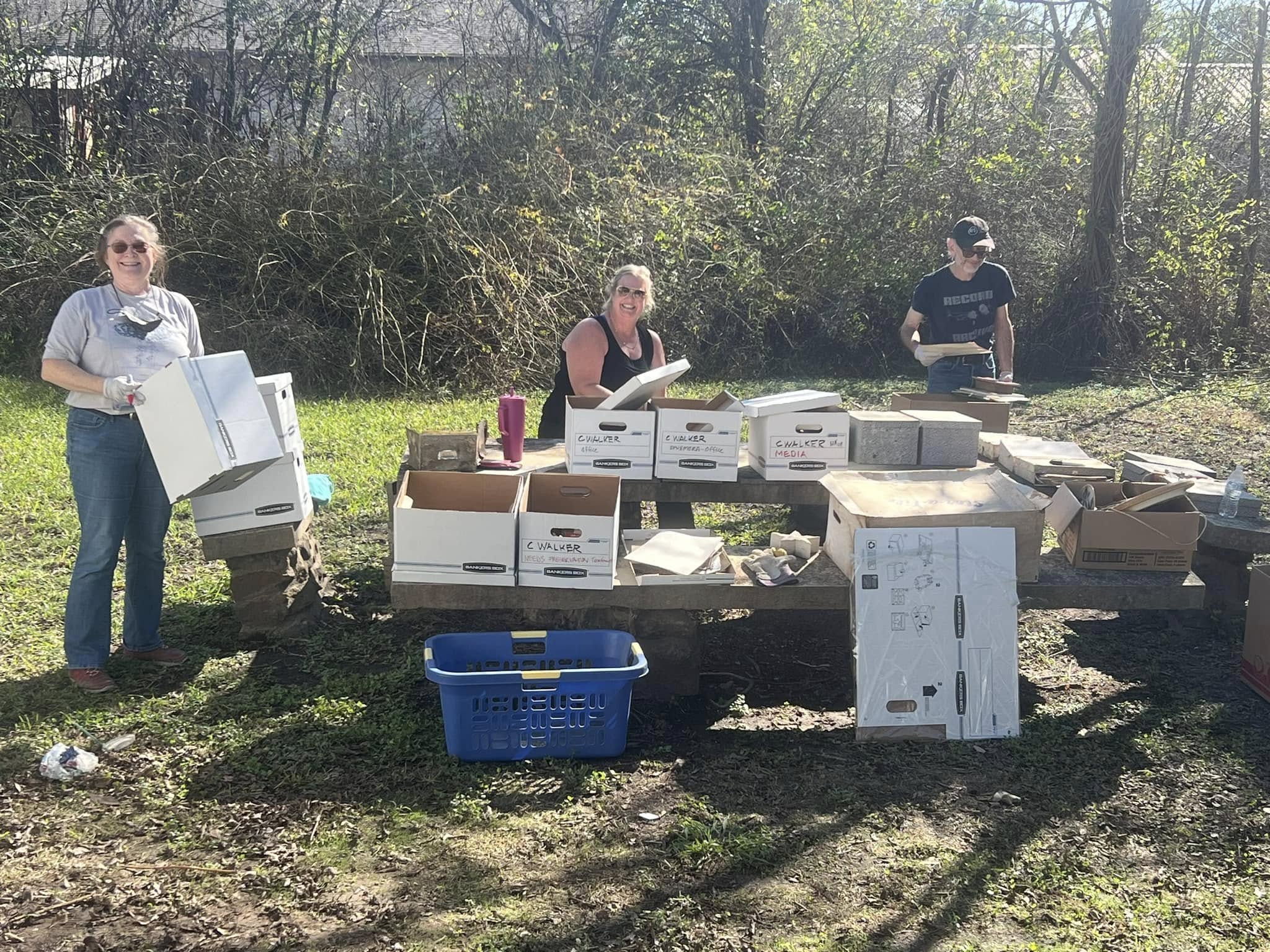
Volunteers sort through and organize Walker’s belongings.

Soon after, Walker appeared in a film called “Swingin’ in the Barn” in which she sang two of her original songs including “Hill Billy Bill.” She released singles for Decca Records, appeared in and wrote songs for films with “singing cowboys” like Gene Autry, and was a well-known figure in “soundies.”

“Imagine a machine about the size of a modern-day refrigerator,” says Smith. “It’s a video jukebox. These machines would show 16 millimeter musical films. They were three minutes long and it cost you a dime. And she filmed a dozen of those.”

Around this time, Walker pitched her songs to Texas’ most famous bandleader at the time, Bob Wills. Soon after, Walker got a contract to write 39 songs for Wills to be featured in eight motion pictures for Columbia. He would go on to record over 50 of her compositions.

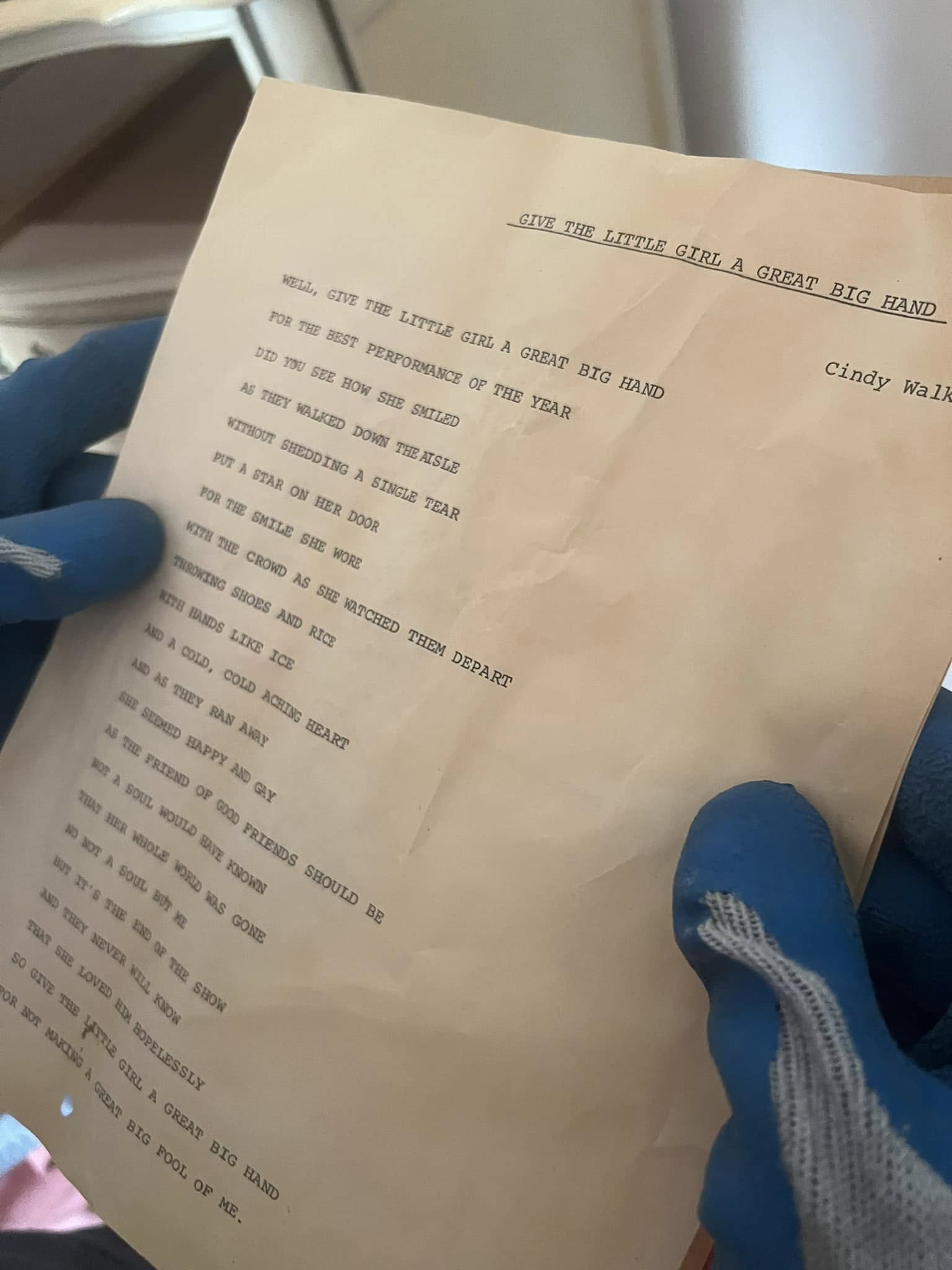
After the foundation bought the house in 2022, they discovered a treasure trove of material, including this paper containing lyrics for a song. Courtesy of Lindsay Lipman

Gregory Smith says it wasn’t only Walker’s talent that made her a success. It was her business acumen, learned largely from her mother.

“Being a professional songwriter is not just about writing songs. It’s about what they call ‘plugging,'” Smith said. “Plug in your song, find the right producer, get the ear of the producers, the executives, the performers, and get them to record those songs.”

By the time Walker was lured back to Texas in 1953, she had stopped performing and was a full-time, well-established songwriter.

» GET MORE NEWS FROM AROUND THE STATE: Sign up for Texas Standard’s weekly newsletters

In 1955, Eddy Arnold gave her a challenge: write a song called “You Don’t Know Me” about a man with a secret love. Walker did just that. It became a hit for Eddy Arnold in 1956, and was recorded by several other artists, including Ray Charles in 1962.

Also in 1962, Roy Orbison had a top-five hit with Walker’s song “Dream Baby.”

Cindy Walker would go on to write over 650 songs. Once Nashville became a hub in the music industry, she and her mother would travel there for months out of the year to sell songs and meet with artists and producers.

Gregory Smith says Walker also met evangelist Billy Graham during her time in Hollywood and later worked with him back in Mexia. She appeared in and wrote songs for his first two motion pictures, “Mr. Texas” and “Oiltown, U.S.A.”

“That was an important moment for her because she became more devout as a Christian, but she kept writing secular songs,” Smith said. “She wrote religious songs too, but that was just a small portion of what she was writing after that time.”

‘Now or never’

Back at Cindy Walker’s home, Lindsay Lipman envisions what the foundation hopes to do with the house and the six city lots it sits on.

“The bigger picture is to have the home restored as a community art and music center and then to have the upstairs space where her writing studio was to be more of exhibit space, put everything back the way it originally was so people can come see it,” Lipman said.

They also hope to make a community garden on the property. The restoration will take a lot of effort – and money.

The foundation has been holding fundraisers for the last few years, and started Cindy Walker Days, a festival in Mexia held each year around Walker’s birthday. The foundation was able to restore her mother’s baby grand piano, and held a children’s camp at the Presbyterian church Walker attended where kids were able to play the piano.

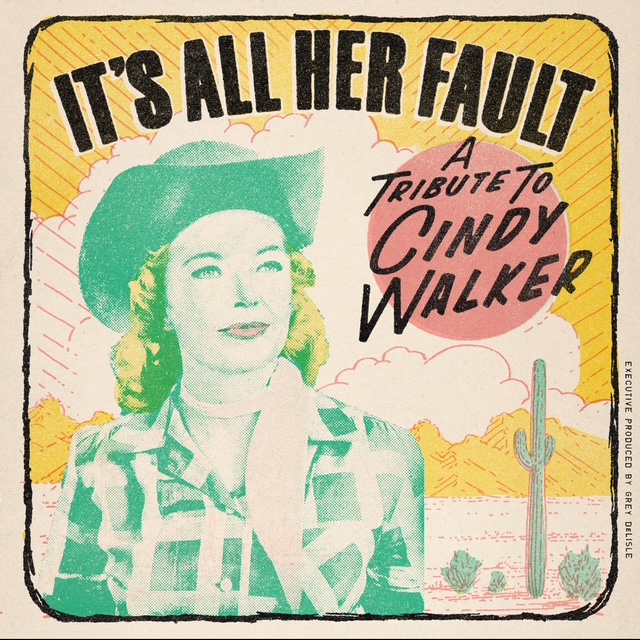
And now, there’s the new tribute album – “It’s All Her Fault – A Tribute to Cindy Walker.”

Courtesy of Grey DeLisle

Grey DeLisle is a voice actress, comedian and singer-songwriter who put the tribute album together. She said she saw a post on the Cindy Walker Foundation Facebook page saying they’re raising money to restore Walker’s house.

“I thought, gosh, if this was Hank Williams’ house or something, I mean, people would pay attention,” DeLisle says. “He didn’t have as many hits as she had.”

Grey adds, “I also made it an all-female record because so many men had hits. She wrote so well for men and you don’t hear a lot of women singing her songs.”

Another important piece of this story is the influence of a well-known Texas bandleader.

Not too long ago, Asleep at the Wheel’s Ray Benson had invited DiLisle to perform a show with him in Fort Worth, featuring a lot of well-known female singer-songwriters. DeLisle had still been toying with the idea of the tribute album.

“It’s All Her Fault” is a project spearheaded by artist Grey DeLisle. Photo by Jason Anderson

Grey says she thought to herself, “Gosh, I guess I do kind of have to do something now. This is what I said, that if people crossed my path, I would do it, and now they’re crossing my path so now I have no other excuse.”

Lindsay Lipman also drew inspiration from Benson. She interviewed him once as a news anchor in Waco and told him she’s from Mexia. He brought up Cindy Walker.

“And I said to him, ‘I wish somebody would do a documentary on Cindy’ or something. People need to know her story,” Lipman said. “And he said, ‘why don’t you?’ And I decided, well, not to borrow a phrase from one of her songs, but now or never.”

Lipman is working on a documentary alongside her other efforts as head of the Cindy Walker Foundation.

Ray Benson says Cindy Walker’s name might not be as famous as some, but as far as being a woman in the music industry, Walker was simply known and respected as a great songwriter.

“She is one of the most important songwriters along with Gershwin, Willie Nelson, you know, I mean these kind of names,” Benson says. “And I think when you have the kind of talent that she had and the kind of success that she had, that she sort of transcended all of that.”

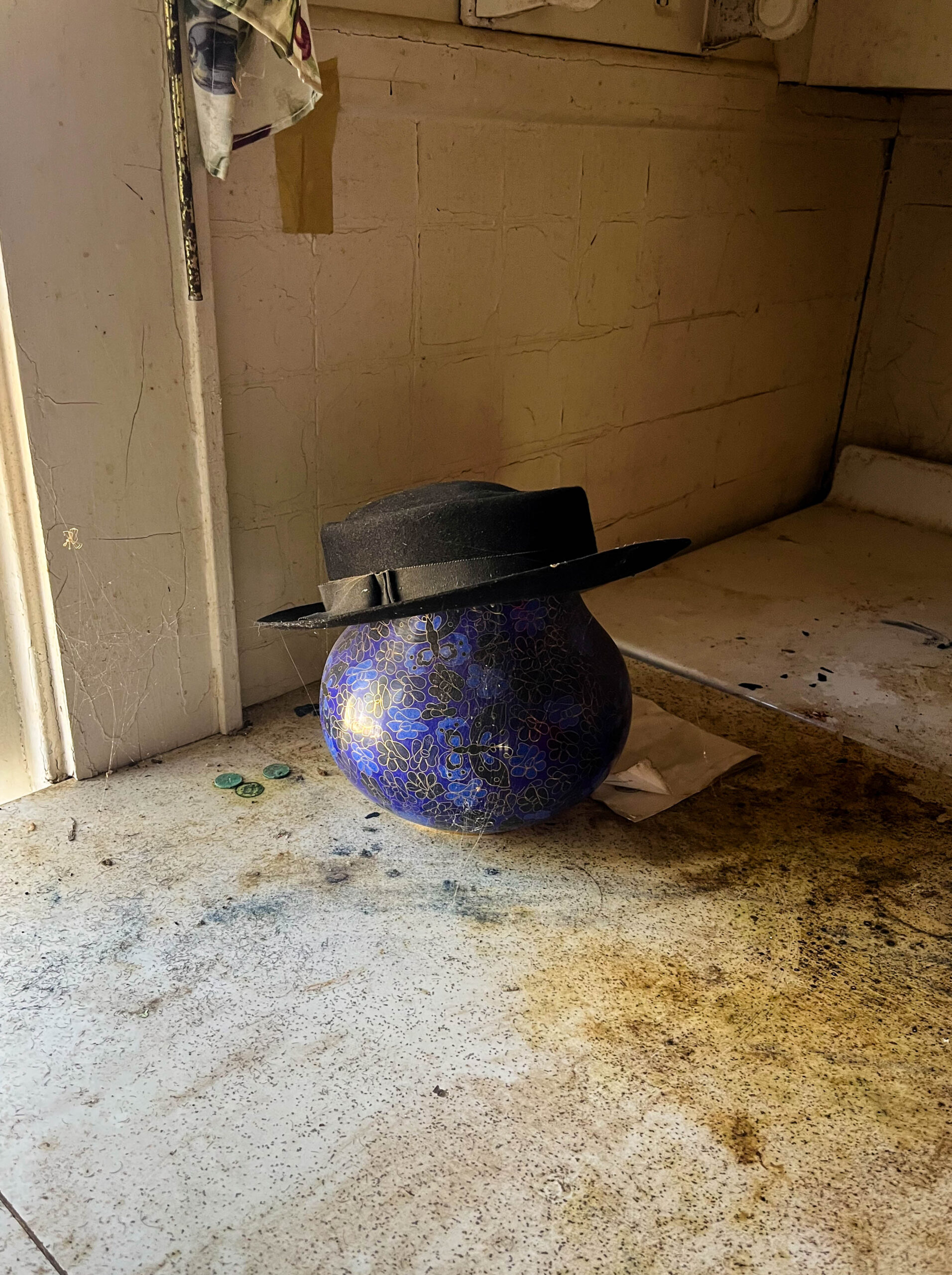
An urn containing the ashes of Cindy Walker’s housekeeper, Willie May Atkinson. Walker left the house to Atkinson when she passed away in 2006. Atkinson died in 2019 and left the house to her brother before the Cindy Walker Foundation bought the property in 2022. Leah Scarpelli / Texas Standard

Upon Cindy’s death in 2006, the home went to Walker’s housekeeper, Willie May Atkinson, who left it to her brother when she passed away in 2019. Her ashes are still housed in Cindy Walker’s house.

The foundation bought the house in 2022 and discovered a treasure trove of material. It took years to sort through everything.

“None of us were aware that there was music inside, historical items, including pictures, documents,” Lipman says. “Her story was still in the house.”

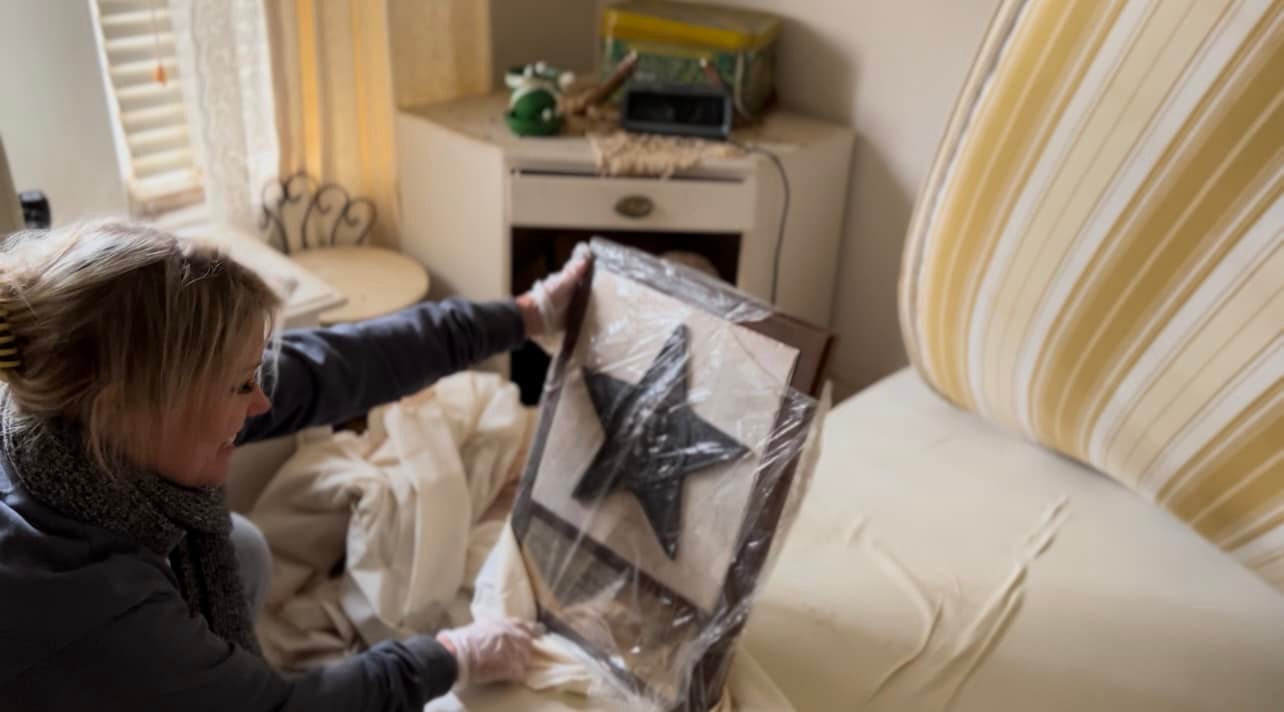
And all of Cindy’s awards were under a mattress.

“I mean, who puts their awards underneath their mattress?” Lipman says. “Mine would be on a shelf, but it just kind of says a lot about who she was. She cared so much about the music.”

Among the documents and financial records, the foundation discovered dozens of unreleased songs.

For Lipman, her passion for letting others know about Cindy Walker goes beyond her appreciation of the music. It’s about giving back to their town and helping to rekindle interest in a songwriter who left an indelible mark – not just on Texas music, but the Great American Songbook, as well. 

Wearing the dress

Grey DeLisle’s philosophy in both putting together the new tribute album, as well as in doing many things in her life, comes from Walker’s acceptance speech when she was inducted into the Country Music Hall of Fame in 1997. She describes how her mother bought her a dress and told her she wanted Cindy to wear it when she’s inducted into the hall of fame.

“She wrote a little poem about how she and her mom were shopping for dresses,” says DeLisle. “And her mom found this gorgeous dress. And her mom was her pianist and helped her present all of her tapes and everything that she sent out.”

Courtesy of Lindsay Lipman

Lindsay Lipman discovers Cindy Walker’s awards underneath her mattress.

Walker goes on in her speech to say she doubted she’d ever be accepted into the hall of fame, but always remembered her mother’s words.

And so, in finishing the tribute album, Grey DeLisle says she also got to “wear the dress.”

“Everything kind of came together kismet-wise, you know, just everybody. It was great. I bought the dress and I got to wear it.”

It’s All Her Fault – A Tribute to Cindy Walker” is out now, with proceeds going towards restoring Walker’s home in Mexia.

If you found the reporting above valuable, please consider making a donation to support it here. Your gift helps pay for everything you find on texasstandard.org and KUT.org. Thanks for donating today.