All this matters because which party controls the U.S. House is at stake in next year’s midterm elections. Nationally, this gives Republicans a chance to keep control after 2026. Though other states, like California, have also redrawn their lines in an attempt to offset any Republican gains in Texas.
From The Texas Newsroom:
Congressional redistricting was the big Texas political story of the summer, when the state’s Republican-dominated legislature led an unconventional push to redraw Texas congressional districts years earlier than normal.
State leaders weren’t shy about the goal: giving Texas more Republican-friendly districts ahead of the 2026 midterm elections at the request of President Donald Trump.
Texas Democrats responded by walking out, leaving the statehouse at a standstill. When they returned, state lawmakers pushed through a new map which could give the GOP as many as five new seats from Texas in the U.S. House. Those five seats are a big deal since Republicans already hold 25 of the state’s 38 spots in the chamber.
Whether the new congressional map will be used in 2026 midterms is still tied up in court. A lawsuit seeking to block it is currently being considered by a panel of federal judges in El Paso, who heard the case last month. The plaintiffs allege illegal racial gerrymandering, while the state argues its motivation was purely partisan — and therefore, legal.
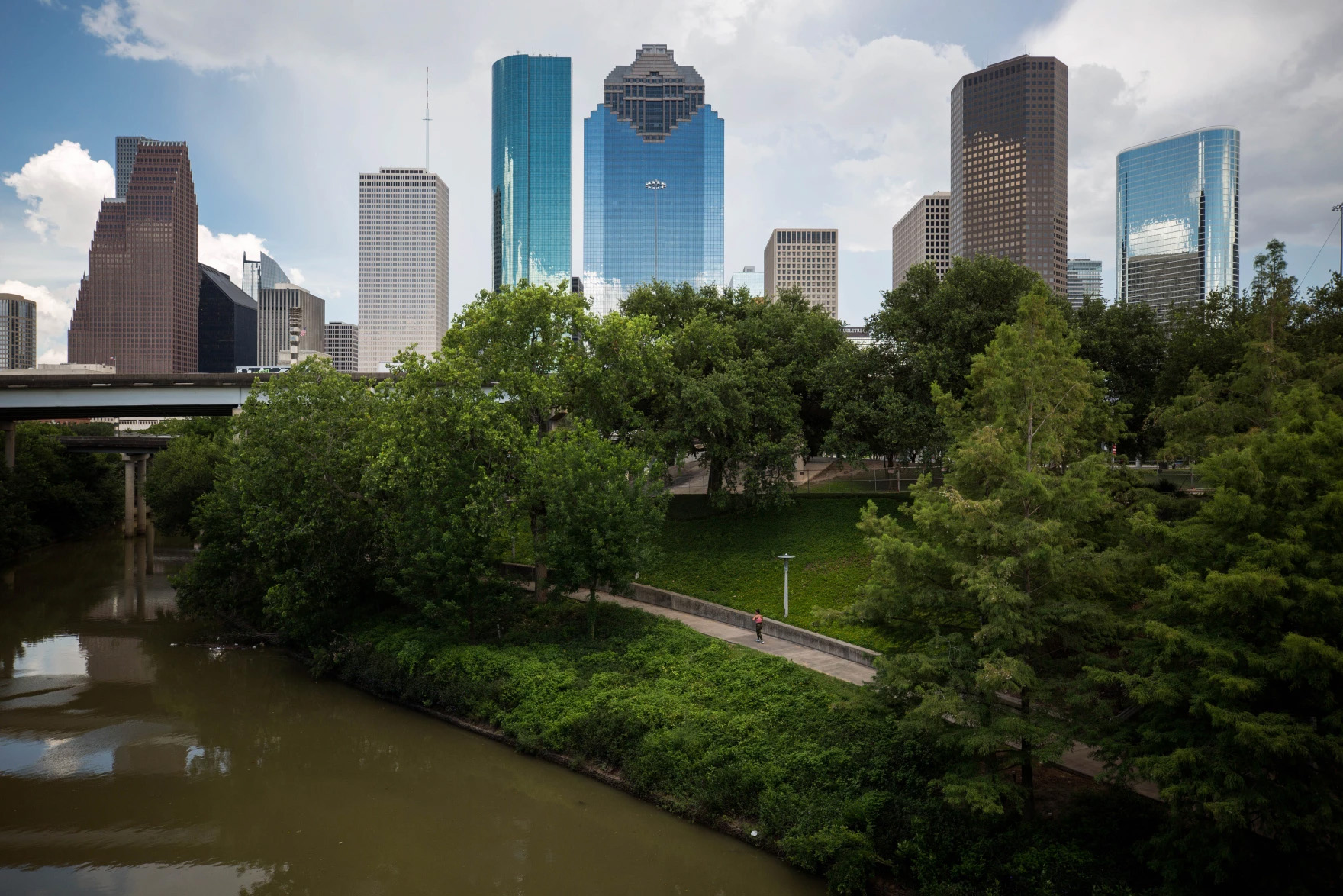
How the three-judge panel rules could ultimately determine whether Democrats or Republicans hold control of the U.S. House after next November’s elections.The court decision will be especially impactful in Houston, where redistricting shifted which voters in several key districts hold the power when it comes to choosing who represents them in Washington.
Houston, we have a problem
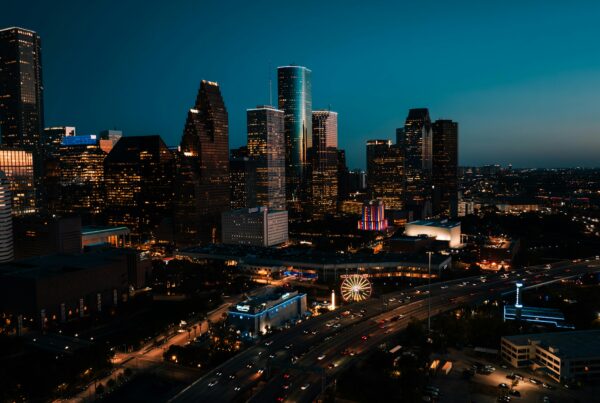
Greater Houston saw some of the biggest changes to district lines in Texas’ new congressional map, especially in Houston’s 9th and 18th districts. In fact, they were among four districts specifically targeted by the Trump administration earlier this year.
In July, the Department of Justice sent a letter to Governor Abbott saying the state could face a lawsuit if it didn’t redraw lines to eliminate these “unconstitutional racial gerrymanders.” Three of the four districts the DOJ listed were in the Houston area, and all were seats most recently held by Democrats of color.
According to the Justice Department, these were “coalition districts that were in violation of a recent federal court decision,” Michael Adams, a political science professor at Texas Southern University in Houston, told The Texas Newsroom.
These types of “opportunity” districts, said Adams, are drawn to ensure minority voters get a fair chance to send a candidate of their choice to Washington.
The letter, along with Trump’s request for more Republicans in the state’s congressional delegation, sparked Texas’ redistricting push — a push that left district lines in Houston significantly altered.
“What all of this tells me is that those who are part of the ruling party are afraid,” said Karen Kossie-Chernyshev, a professor of history at TSU in Houston. “They’re afraid of the power of the black vote. They’re afraid of the power of the brown vote. They really are. And so they are going out of their way to dilute that vote.”